About
About
Peace as a Practice, Not an Absence
There is a long-standing tradition of studying conflict and violence across a range of disciplines, including cultural studies, sociology, literature, discourse analysis, philosophy and migration studies. This body of research has identified recurring patterns of enquiry that frequently focus on violence — even within peace studies. Within this framework, peace is typically conceptualised in relation to violence.
Peace itself has been defined in various ways, including as the absence of direct or indirect violence (Galtung, 1969); social justice (Zimmerman et al., 2009); a symbiotic relationship with the environment (Conca & Beevers, 2018); and an integration of these dimensions (Standish et al., 2022).
This project shifts the focus towards everyday peace. Rather than assuming the absence of conflict, this perspective recognises that conflict is a natural part of community life. The important thing is the presence of social practices and mechanisms that enable people to manage and resolve tensions without resorting to physical or symbolic violence in their daily interactions.
Innovation
The project begins with a methodological inversion of traditional assumptions. Instead of starting with the forms of violence from which peace emerges, we focus on peace proposals offered by people on the move. We then analyse the social, economic, political and aesthetic conditions that make peace possible. The research programme aims to offer a new conceptualisation of peace that extends beyond the mere absence of violence by exploring the diverse visions of peace shaped by these individuals. There is currently a lack of research on this specific topic. Our work will address this gap in both peace and conflict studies and migration studies by focusing on the contributions of people on the move to peace creation.
Multi-Sited Project
The forced movement of people from, through, and to Chile, Venezuela, Colombia, El Salvador, Germany, Guatemala, Italy, Mexico, Morocco, the Netherlands, Nicaragua, Panama, Spain, and Ukraine will be analysed. These regions were selected due to their significance in various aspects of forced migration: major receiving areas (Colombia, Germany, Italy, the Netherlands, and Spain), traditional transit regions (Mexico en route to the United States, and Morocco at the EU’s external border), regions experiencing conflict and high levels of physical violence (Colombia, Venezuela, El Salvador, Guatemala, Mexico, Nicaragua, Ukraine, among others), and sites of exile, diaspora, and cultural production such as Chile, El Salvador, Italy, and Panama.
The people behind it
Get in touch
Peace and Mobilities | Bielefeld University (Coordinator)
Universitätsstraße 25, 33615 Bielefeld | Office M7-129
Email: coordination@peaceandmobilities.org
Latest Announcements
Projects
Library for and by Peace
Projects
Mobile Workshops and Science
University ↔ Community
- Research
- Creative practice
- Dialogue
- Mutual learning
- Knowledge production
Related activities
Projects
- MigrantesIssa Watanabe
- Camino a casaJairo Buitrago / Rafael Yockteng
- Dos conejos blancosJairo Buitrago / Rafael Yockteng
- Eloísa y los bichosJairo Buitrago / Rafael Yockteng
- La migraciónAmparo Bosque
- Fuera etiquetasLucía Serrano
- La luna está en DualaSani Ladan
- Yo no soy tu perfecta hija mexicanaErika L. Sánchez
- Viaje al centro de la TierraJules Verne / Trinidad García del Cid
7/19
5/7
5/7
7/7
- Melisa Turner
- Alexandra Salazar Contreras
Projects
- Brian Pumarica · María Eugenia Rausky
Projects
Our Team
Researchers & Collaborators
Consortium members and detailed researcher profiles from all partner institutions.
Bielefeld University
As a university internationally regarded for its top-level research and innovative teaching concepts, Bielefeld University makes a significant contribution to a progressive and participatory knowledge society. It is an attractive, family-friendly place to work and study and is characterised by an open communication culture, lived interdisciplinarity, diversity and freedom for personal development. Bielefeld University was founded in 1969 with an explicit research assignment and a mission to provide high-quality research-oriented teaching. With around 24,500 students, the University currently encompasses 14 faculties. As a 'Volluniversität' (full university), it offers a differentiated range of disciplines in the humanities, natural sciences, technology as well as in medicine.
Comillas University
Comillas Pontifical University (Spanish: Universidad Pontificia Comillas) is a private Catholic higher education institution run by the Spanish Province of the Society of Jesus in Madrid, Spain. The university is involved in a number of academic exchange programmes, work practice schemes and international projects with over 200 institutions of higher education in Europe, Latin America, North America and Asia.
Guadalajara University
The University of Guadalajara (Spanish: Universidad de Guadalajara) is a public research university located in Guadalajara, Mexico. It was originally established in 1586 and officially founded on 12 February 1791 as the Royal and Pontifical University of Guadalajara. Over the centuries, it has evolved into one of Mexico’s leading educational institutions. The university operates multiple high schools, as well as undergraduate and graduate campuses, which are distributed throughout the state of Jalisco. It is widely regarded as the most significant university in the region. Based on its foundation date, it is the second-oldest university in Mexico, the seventeenth-oldest in North America, and the fourteenth-oldest in Latin America.
H401
H401 is a private cultural foundation located in the Herengracht building of the late artist Gisèle d’Ailly van Waterschoot van der Gracht. H401 works in collaboration with local and international institutions, artists, thinkers, scholars and scientists. Academic and artistic research at H401 goes hand in hand with performative and participatory research, through residences, exhibitions, think tanks and publications. For years, H401 has been organizing thematic year programmes exploring actual topics that we all constantly deal with and strive to understand better such as vulnerability to Groupfanaticism, Friendship, Collective Memory and the relation to identity (Memory Machine - We Are What We Remember), Freedom, the Female Perspective and Shame and Masculinity. Through these programmes and its diverse activities, H401 wants to contribute to a more inclusive society by supporting artists, scientists, thinkers, policymakers and intellectuals to make a difference. As a cultural partner within this consortium, H401 will contribute in the form of a number of artists-related activities, such as artist residencies exploring the theme of migration and everyday peace.
Milan University
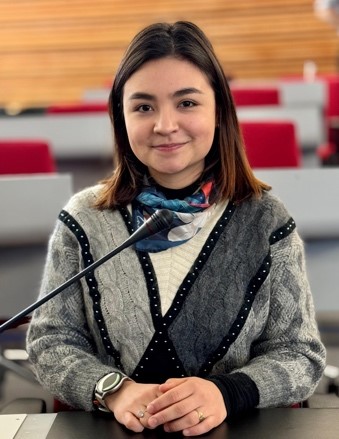
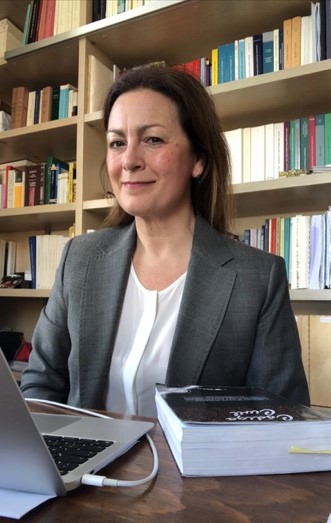
The University of Milan (Università degli Studi di Milano) is one of Italy’s leading public universities, renowned for its academic excellence, interdisciplinary research, and active role in international cooperation. With a strong commitment to global dialogue, the University has increasingly developed collaborative networks across Latin America, especially in the humanities and social sciences. A key focus of these partnerships has been the representation of peace in contexts marked by political violence—a theme of particular relevance in Latin American societies that have experienced decades of conflict, authoritarianism, and democratic transitions. Scholars at the University of Milan engage with Latin American researchers, cultural institutions, and civil society organizations to explore how peace is constructed, narrated, and imagined in post-conflict settings. These collaborations often intersect with fields such as memory studies, literature, political science, anthropology, and media studies. Through joint research projects, academic exchanges, and conferences, the University has contributed to a deeper understanding of how narratives of peace emerge amidst trauma and contested histories. By fostering transnational dialogue, the University of Milan not only supports knowledge production on Latin American experiences but also offers critical insights into global strategies for peacebuilding, justice, and reconciliation in politically volatile environments.
National University of Colombia
The National University of Colombia (UNAL) is the country’s foremost higher education institution and a regional leader in research, innovation, and social transformation. Founded in 1867, it has grown to become Colombia's largest university, with nine campuses located in Bogotá, Medellín, Manizales, Yopal, and Palmira, extending from the Caribbean to the Amazon, reaching some of the nation’s most remote regions. UNAL is home to 931 research groups, of which 614 are recognised by Colombia’s Ministry of Science, Technology, and Innovation. Its scientific output represents 28% of the national total, establishing it as a leader both nationally and in Latin America. The university offers 94 undergraduate programmes and 329 postgraduate courses, including 54 doctoral programmes, which make up 34% of the national offerings. In the QS Latin American University Rankings, UNAL ranks as the top university in Colombia and among the best in Latin America. UNAL's mission is to contribute to national unity as a centre of intellectual and cultural life, open to all currents of thought and to diverse social, ethnic, regional, and local sectors. It is also dedicated to studying and enriching the nation’s cultural, natural, and environmental heritage, as well as contributing to its preservation. With a vision for 2034, UNAL aims to be Colombia's leading university, recognised for its contributions to the nation and its excellence in teaching, research, social innovation, and technological development. With a strong commitment to peacebuilding, UNAL strives to generate and share knowledge of scientific and cultural importance.
Autonoma University of Chile
Zaporizhzhia National University
Zaporizhzhia National University (ZNU) is one of Ukraine’s foremost higher education institutions and a regional leader in research, innovation, and social transformation. ZNU ranks in top positions among Ukrainian universities in the edition of the Webometrics Ranking of World's Universities. As an integral part of Zaporizhzhia National University, Faculty of History and International Relations is an interdisciplinary research centre, recognised for its contributions to the nation and its excellence in teaching, research, social innovation, and scientific development. The Faculty is a distinguished national center in Ukraine, serving as a hub for European integration in the South of the country and for the promotion of European science and research projects supported by the European Union. It is also a key institution for the development of history and humanities textbooks in Ukraine and a powerful driver of European integration. The Faculty was among the first in Ukraine to actively respond to the full-scale Russian war against Ukraine with research initiatives. As part of a frontline city, it has direct access to documenting primary sources of the war and conducting interviews with combatants and civilians. The Faculty’s research foundation is built upon a strong academic team specializing in cultural-historical anthropology, advancing innovative studies in the field. Faculty’s mission is to contribute to national unity as a centre of intellectual and cultural life, strengthening Ukraine’s resilience, and overall resistance to the aggressor, advancing the frontiers of European science, open to all currents of thought and to diverse social, ethnic, regional, and local sectors. It is also dedicated to studying and enriching the nation’s cultural, natural, and environmental heritage, as well as contributing to its preservation. With a strong commitment to peacebuilding, Faculty strives to generate and share knowledge of scientific and cultural importance.
External Consultants
Artists
Peace and Mobilities focuses on investigating the conditions that make the existence of peace aesthetics possible. However, the project's aim is not only to explore these conditions but also to promote them. To achieve this, we collaborate closely with various artists who bring these creations to life through murals, engraving, literature, music, and other forms of art.
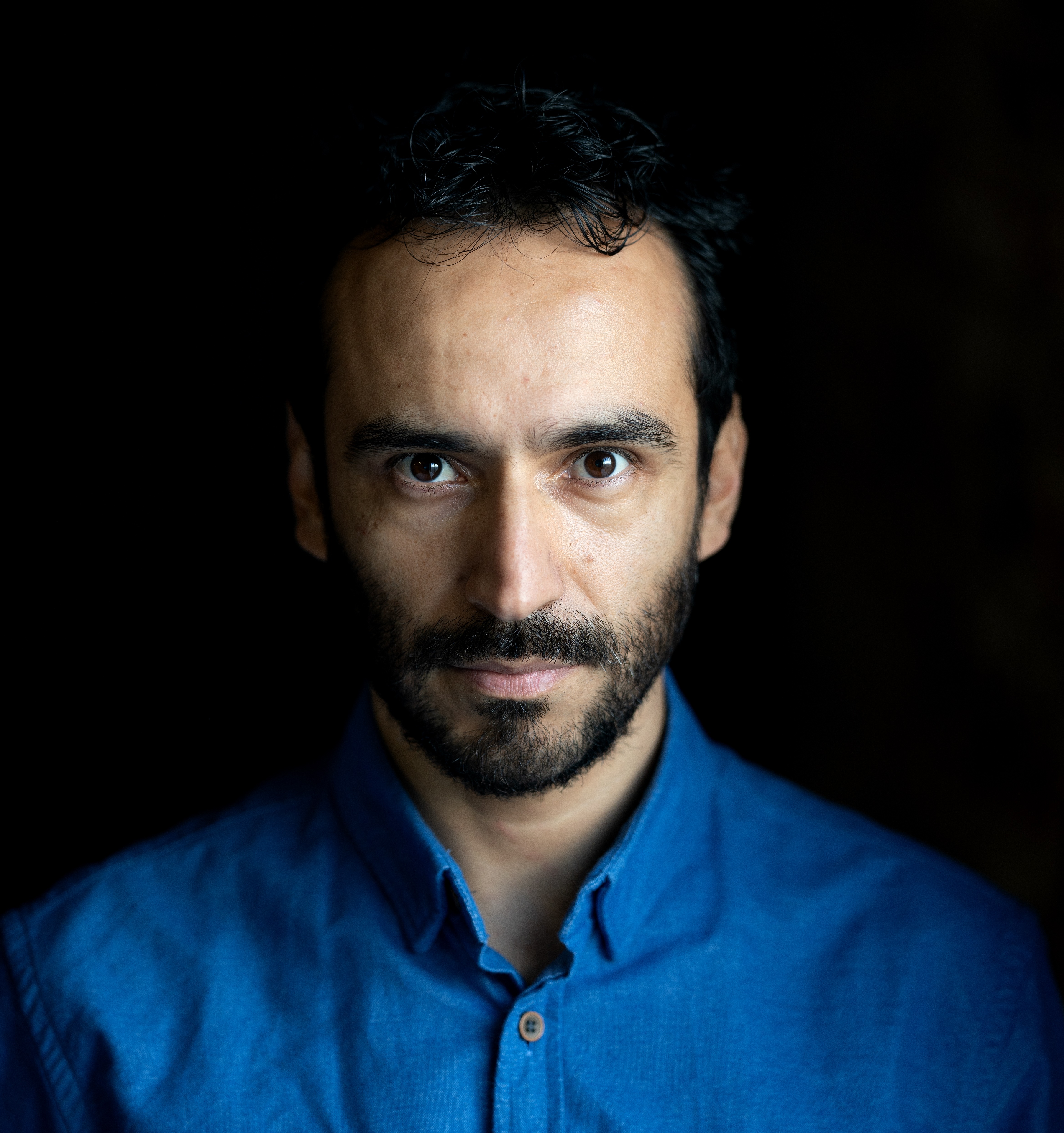
Nelson Camilo, Forero Medina
He is a philosopher from the Universidad Nacional de Colombia. He received his PhD from the University of Bielefeld with the best thesis of the faculty. He is currently a lecturer and researcher at the University of Bielefeld. He is also the PI of the EU-funded project "Peace and Mobilities". He is a member of the Colombian Discourse Analysis Group and the Colombian Philosophy of Technology Group. He is also a researcher of the Speme memory spaces project and the scientific Colombia: post-conflict ecosystem project. His publications include, among others: Lógicas mediales y narrativas: transmedialización de las narrativas sobre el narcotráfico en Colombia, Film and Memory: The Role of Footage and New Worlds from the Cinema in the Construction of Human Memory, Imaginaries of the Americas: paradox about the production of reality through fiction, Historicidad del tiempo en los pensadores latinoamericanos: tempus de enunciación".
Joachim Michael
He is a full professor for InterAmerican Studies and Romance Studies at the University of Bielefeld, Germany, since April 2014. He has been a visiting Professor at the Texas A&M International University, in Laredo, Texas, USA, and at the University of Guadalajara, Mexico. He did his post-doctorate (Habilitation) in Romance Studies at the University of Hamburg, "Petrified History: Apocalypse and Literature in Mexico". He received his doctorate in Romance Studies at the University of Freiburg (magna cum laude) with the dissertation: "Television and Cultural Rupture: Telenovelas in Latin America". Joachim Michael is founding member of the Center for Advanced Latin American Studies - CALAS and has been a member of the steering committee until July 2019. Furthermore, he is co-coordinator of the Laboratory of Knowledge "Visions of Peace. Transitions between Violence and Peace in Latin America."
María Gabriela Trompetero Vicent
She is a Doctoral candidate in Sociology at Bielefeld University, Germany, where she also teaches on forced migration in the Americas. She holds a master's degree in Inter-American Studies from the same institution. Trompetero has worked as a researcher on forced displacement at the Migration Policy Institute and as a consultant for UNHCR and the Inter-American Development Bank. She has also been a visiting researcher at the German Institute of Development and Sustainability (IDOS). Her research focuses on forced migration studies, migration policies from an institutional sociology perspective, and the categorization processes of people on the move.
Cecilia Estrada Villaseñor
Expert in migration, refugee issues, and human rights, with an extensive background in research, consultancy, and communication. She currently serves as Director of the Chair of Refugees and Forced Migrants - INDITEX and Coordinator of the Ibero-American Observatory on Human Mobility, Migration, and Development (OBIMID). Since 2018, she has been a human rights expert for the Spanish team of the FRANET project (European Commission). She holds a PhD in International Migration and Development Cooperation from Comillas Pontifical University and a Master’s degree in International Relations and Communication from the Complutense University of Madrid.
Raquel Verdasco Martínez
Trained in International Development Cooperation at the Universidad Pontificia Comillas and graduated in Law at the Universidad Complutense de Madrid. She has worked in international cooperation with the Don Bosco Foundation in Cambodia and the Jesuit Refugee Service in Greece, accompanying asylum seekers, refugees and migrants. She is currently a trainee researcher at the Chair on Refugees and Forced Migrants, collaborating on the Data Culture project for the identification of victims of trafficking in Spain, as well as the FAIR Project on the EU Charter of Fundamental Rights.
Mª Isabel Carrión Alonso
Isabel graduated in Sociology, International Relations, and Development Cooperation from the Complutense University of Madrid, with a Master’s in International Security from the Barcelona Institute of International Studies. She has participated in development and international cooperation projects, notably working with the Red Cross as a Spanish teacher for refugees. She is a project manager and designer at OAN International (in Nikki, Benin), focusing on women’s access to microcredits and economic independence. She is currently a research trainee at the Chair of Refugees and Forced Migrants and collaborates on the CERV EMPOWER YOUTH project.
Ana Olmedo Alberca
Ana is a PhD candidate at the Chair on Refugees and Forced Migrants (Universidad Pontificia de Comillas) and a member of the CHARMES project on honest communication on refugees and migrants in social media. Graduated in International Studies from the Universidad Autónoma de Madrid, she holds a Master's degree in International Relations and African Studies. She coordinates the Evaluation Committee of the academic journal "Relaciones Internacionales" since 2022 and has carried out a research stay at the University of Suleimaniya (Iraqi Kurdistan Region). She has experience at EsadeGeo and the Ministry of Foreign Affairs.
Frans Damman
Frans studied Business Administration at the University of Groningen and Publishing in Amsterdam. He worked for many years at Reed Elsevier and VNU Business Publications. In 2008, he was appointed head of Business Operations at the National History Museum (NHM). Frans has been working for the H401 foundation for over 12 years as co-director. This former hiding place during the Second World War and private artists’ home has been running a public programme since 2008 that focuses on the innovative handling of contested heritage, through residencies and both local and international collaborative projects.
Micol Manunta
Micol is the Project Coordinator at Stichting H401 (H401). She is a graduate of the Research Master in Cultural Leadership at the University of Groningen (NL). Her research background lies in (Russian) memory studies and memory artivism.
Michael Defuster
Michael is co-director of the cultural foundation Herengracht 401. Under his leadership, the former publishing house Castrum Peregrini transformed into a cultural centre focused on freedom, culture, and friendship. He has curated exhibitions, theatre productions, and lectures exploring the foundation’s WWII history. His work examines themes such as fanaticism, friendship, the paradoxes of freedom, and cultural memory. Trained as an architect, he has worked with Dutch architectural firms and the Urban Development Department of Amsterdam. From 1998 to 2008, he edited the German-language cultural magazine Castrum Peregrini. Currently, he is establishing a new cultural space in Athens.
Jose Miron
Officer Communications & PR, Producer. José is a Scenic Director, Artistic Coordinator, and Producer who combines artistic vision with strong project management skills. He develops creative concepts, leads multidisciplinary teams, and oversees production logistics from concept to stage. With a background from the Universidad Nacional de las Artes, his work focuses on translating narratives into compelling visual and spatial experiences.
Neyla Graciela, Pardo Abril
Neyla holds a PhD in Hispanic Linguistics from UNED (Spain) and is a Full Professor in the Department of Linguistics at the National University of Colombia, as well as a researcher at the Institute of Studies in Communication and Culture (IECO). She leads the Colombian Group for Media Discourse Analysis and is an Emeritus Researcher at the Ministry of Science, Technology and Innovation and the National University of Colombia. Her research focuses on Multimodal and Multimedia Critical Discourse Studies (MMCDS), and she has been part of international networks such as SPEME, FELS, ALED, REDLAD, REDLEM, and IASS-AIS. She is currently the lead for the Colombian team in the Peace and Mobilities project.
Camilo Alejandro, Rodríguez Flechas
Camilo is a philologist and linguist with postgraduate studies in linguistics from the National University of Colombia. A member of the Colombian Group for Media Discourse Analysis for the past eight years, he currently serves on the board of the Latin American Federation of Semiotics (FELS). His research focuses on media narratives surrounding structural inequalities in highly vulnerable contexts linked to armed conflict. His publications have addressed key issues for peacebuilding in Colombia, including collective memory and the representation of conflict victims. He is currently exploring the relationship between territorial construction processes and forced mobility in Colombia.
Lorena, Villate Moncaleano
She is a political scientist from the National University of Colombia with postgraduate studies in Ibero-American Studies from Heidelberg University. She is currently a researcher at the National Observatory of Memory Processes (ONALME) and the Colombian Group for Media Discourse Analysis, both at the National University of Colombia. Her research interests include migration literature, as well as the memories and poetics of exile among Colombian women in Europe. She has been part of the international research project SPEME and is an active member of the Germany Node, an initiative supporting the work of Colombia’s Truth Commission. Her publications have explored collective memory construction in media contexts and the representation of victims of the Colombian armed conflict.
Leandro Carlo, García Gómez
Leandro is a sociologist with three Master's degrees in Community Development, Gender, and Development Studies. He is currently pursuing a PhD in Development Studies at the International Institute of Social Studies (The Hague) and the University of Los Andes, and is a member of the Colombian Group for Media Discourse Analysis at the National University of Colombia. His research examines how memory initiatives led by LGBTQ+ social organisations contribute to social change within the framework of transitional justice. His approach integrates participatory action research, dialogical methods, popular education, and queer and feminist methodologies. He has worked with international development agencies, advised human rights organisations, and held positions in Colombian institutions responsible for victim reparation and historical memory.
Daniel Sarmiento
Daniel holds a degree in Literary Studies from the National University of Colombia and has postgraduate studies in Interdisciplinary Latin American Studies from the Freie Universität Berlin. He is currently a researcher with the Colombian Group for Media Discourse Analysis at the National University of Colombia and a cultural disseminator with a particular interest in Latin American poetry and narrative, especially works addressing state violence, inequality, and ecological catastrophe. His research focuses on contemporary Colombian poetry and its hybridity with visual and performative arts. Additionally, he works as a cultural journalist and disseminator for Festival Barrio (Bairro) Berlin, an annual congress of Latin American writers held in the German capital.
Luis, Ospina Raigosa
Luis is a journalist from the University of Antioquia, holds a Master’s in Communication and Media from the National University of Colombia, and a PhD in Communication, Languages, and Information from Pontificia Universidad Javeriana. He has been a researcher with the Colombian Group for Media Discourse Analysis at the National University of Colombia for ten years. His work focuses on Indigenous video and communication as a tool to enhance the expressive capacities of ethnic communities in Colombia and contribute to everyday peacebuilding. He has participated in peace education projects, including La Paz en Foco, a television programme by the National University of Colombia. Additionally, he has experience in advising and implementing projects in communication, language, and media analysis.
Serhat Tutkal
Serhat holds a PhD in Human and Social Sciences from the National University of Colombia, where his research focused on state violence in Colombia. He earned a Master’s in Political Science from Ankara University with a thesis on utopianism and Latin American liberation theology. Currently, he is a researcher with the Colombian Group for Media Discourse Analysis and a postdoctoral researcher funded by Mexico’s Conacyt. His publications address political violence, racism, dehumanisation, forced displacement, and exploitation in West Asia and Latin America. He is a 2024–2025 Fellow at the Institute for Advanced Study (IAS) and a Mellon/SAR Academic Freedom Fellow.
Edna, Guerrero Caicedo
Edna is a doctoral candidate in a cotutelle programme between Friedrich-Alexander-Universität Erlangen-Nürnberg (FAU) and the National University of Colombia. She is a researcher with the Colombian Group for Media Discourse Analysis, with a trajectory spanning armed conflict, migration, and environmental issues. A former Friedrich-Ebert Foundation scholar, she has worked in Colombia, Ecuador, Brazil, and Germany on human rights and environmental justice. Since 2019, she has documented interviews for Colombia’s Truth Commission and collaborated with its Support Node in Germany. In 2018, she was awarded the DAAD Prize at FAU for academic excellence.
Fernanda, Barbosa dos Santos
Fernanda Barbosa is a journalist and historian, as well as a researcher with the Colombian Group for Media Discourse Analysis at the National University of Colombia. She works for Rutas del Conflicto, a Colombian media outlet, focusing primarily on investigative and data journalism related to conflict and peace in Colombia. She is currently a doctoral candidate in Human and Social Sciences at the National University of Colombia, in cotutelle with the University of São Paulo (Brazil). She has worked as a consultant for Colombia’s Truth Commission, a university lecturer, and a reporter for various news agencies. Her research interests lie at the intersection of journalism, memory work, and the public uses of history, particularly through collaborative methodologies and storytelling.
Juan, Ruiz Celis
Juan holds a degree in Political Science from the National University of Colombia and has postgraduate studies in Social Policies from the University of Buenos Aires. He has been a researcher with the Colombian Group for Media Discourse Analysis for fifteen years. His work focuses on peacebuilding, transitional justice, human rights, and development. He has participated in research projects funded by international institutions and multilateral organisations. With experience in highly complex contexts, he has contributed to designing strategies for violence reduction, governance strengthening, and sustainable peacebuilding in settings affected by mobility and forced displacement.
Fabrizio Bianchini
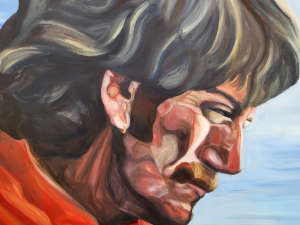
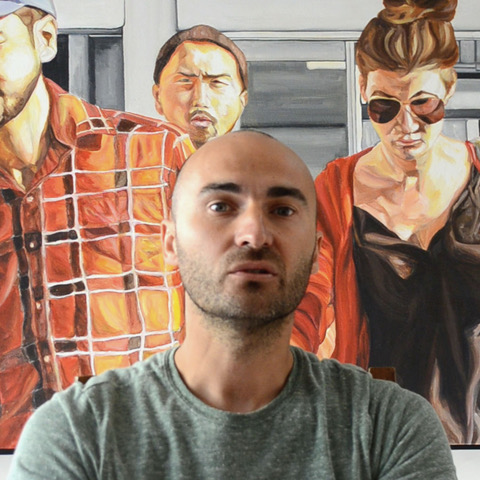
Fabrizio is an Italian multimedia artist working on social issues and supporting communities using art and scientific tools. He is based in Mexico but works worldwide. His goals are to inspire reflection, encourage dialogue, and drive meaningful transformations in contemporary society. His three main topics are migration, water issues, and digital technology abuse. His main media are murals in public spaces and paintings in exhibits. He blends realism with expressionism, sometimes exaggerating and distorting figures to unveil emotions, vulnerabilities, and hidden narratives. Each piece is an invitation to reflect on the real person behind the mask. Among the institutions he is currently working or has worked with: the Italian Government, Tijuana Triennial, Rotterdam Court of Justice, Indian Institute of Technology of Bombay, Mexico’s National Center for the Arts, Barcelona Subway Company, UNHCR, RMIT of Melbourne, Center for Contemporary Arts Can Felipa, GIZ Mexico, Vanderbilt University, the University of Toronto, etc.
Omar, Guadarrama
Interdisciplinary scenic creator with bachelor's degree in Communication (Universidad Nacional Autónoma de México); in Acting (Instituto Nacional de Bellas Artes y Literatura). He is a Master's student in Inter-American Studies at the University of Bielefeld, Germany. He has dedicated his work to research and artistic reflection on the contemporary scene between memory, migration and technology through interdisciplinary languages and performance. He has presented his work in several cities in Mexico, as well as in China, Colombia, Argentina, Romania, Italy, Canada, Brazil, Spain and Germany. He was selected as Interdisciplinary Scenic Creator by the Ministry of Culture in Mexico through the System of Support for Creation and Cultural Projects (2023) which allowed him to conclude his long term interdisciplinary project called Trilogy of Memory with the third performance: REC/PAUSE: Journeys of memory.
Nelson Camilo, Forero Medina
Camilo Forero is a philosopher from the Universidad Nacional de Colombia. He received his PhD from the University of Bielefeld with the best thesis of the faculty. He is currently a lecturer and researcher at the University of Bielefeld. He is also the PI of the EU-funded project "Peace and Mobilities". He is a member of the Colombian Discourse Analysis Group and the Colombian Philosophy of Technology Group. He is also a researcher of the Speme memory spaces project and the scientific Colombia: post-conflict ecosystem project. His publications include, among others: Lógicas mediales y narrativas: transmedialización de las narrativas sobre el narcotráfico en Colombia, Film and Memory: The Role of Footage and New Worlds from the Cinema in the Construction of Human Memory, Imaginaries of the Americas: paradox about the production of reality through fiction, Historicidad del tiempo en los pensadores latinoamericanos: tempus de enunciación".
Stanislav Cherkasov
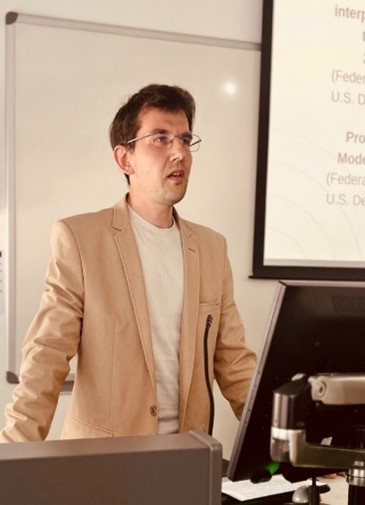
He holds a PhD in History and is an Associate Professor, Head of the Department of World History and International Relations at Zaporizhzhia National University. His research focuses on humanitarian issues in world politics, European think tanks, advised human rights organizations with a particular interest in cultural anthropology, everyday peace building and peace studies methodology. Additionally, he has experience in coordinating and implementing peace education projects as well as projects in social values and identity, European history and culture, media analysis including «On the other side of the Dnieper: the impact of controversial images of the «other Ukrainian» in the formation of mental borders» (Federal Assistance Award of the U.S. Department of State); project «Propaganda in the Modern Media Space» (Federal Assistance Award of the U.S. Department of State) and «Representing People on the Move» (Durham University, Great Britain). He is the lead coordinator for the Ukrainian team in the Peace and Mobilities project.
Serhii Bilivnenko
He is a Historian, Cultural Anthropologist, Associate Professor, Head of the Department of Source Studies and Social Communications at Zaporizhzhia National University. His research is related to cultural anthropology, with a particular focus on oral history interview methods aimed at documenting and studying the history of the Russian-Ukrainian war in highly vulnerable contexts linked to armed conflict. Additionally he specializes in research in the fields of Source Studies and Historical Heritage Studies. Researcher in peace education projects including «On the other side of the Dnieper: the impact of controversial images of the «other Ukrainian» in the formation of mental borders» (Federal Assistance Award of the U.S. Department of State) and «Representing People on the Move» (Durham University, Great Britain).
Olha Makliuk
She is a Historian and Psychologist, Dean of the Faculty of History and International Relations, Associate Professor of the Department of World History and International Relations at Zaporizhzhia National University. Her research focuses on cultural anthropology, European historical memory policies and their implementation for peacebuilding in Ukrainian society. Her publications have addressed key issues for peacebuilding in Ukraine, including collective memory and identity, peace visions representations. Leading researcher in peace education projects including «On the other side of the Dnieper: the impact of controversial images of the «other Ukrainian» in the formation of mental borders» (Federal Assistance Award of the U.S. Department of State); project «Propaganda in the Modern Media Space» (Federal Assistance Award of the U.S. Department of State); «Multidisciplinary Approaches to Developing Research Capacity and Resilience through Partnerships in Conflict» (Durham University, Great Britain).
Volodymyr Milchev
He is a Historian, Cultural Anthropologist, Professor, of the Department of Source Studies and Social Communications at Zaporizhzhia National University. His research is related to Source Studies particularly through collaborative methodologies and storytelling. His work focuses on oral history as a tool to examine the everyday peace culture of ethnic communities in Southern Ukraine and contribute to everyday peacebuilding. Researcher in peace education projects including «On the other side of the Dnieper: the impact of controversial images of the «other Ukrainian» in the formation of mental borders» (Federal Assistance Award of the U.S. Department of State) and «Representing People on the Move» (Durham University, Great Britain).
Kateryna Petrova
She holds PhD in History, she is a Senior Lecturer at the Department of Modern History of Ukraine at the Faculty of History and International Relations. Her research is related to cultural anthropology, with a particular focus on oral history interview methods aimed at documenting and studying the history of the Russian-Ukrainian war in highly vulnerable contexts linked to armed conflict. Primary research areas include collective memory and the relationship between Art and Peace. Researcher in peace education projects including «Multidisciplinary Approaches to Developing Research Capacity and Resilience through Partnerships in Conflict» (Durham University, Great Britain).
Oxana Kazakova
She is a Historian, Cultural Anthropologist, Associate Professor of the Department of World History and International Relations at Zaporizhzhia National University. Her research focuses on peacebuilding, peace visions representations, human rights and development. Researcher in peace education projects including «On the other side of the Dnieper: the impact of controversial images of the «other Ukrainian» in the formation of mental borders» (Federal Assistance Award of the U.S. Department of State); project «Propaganda in the Modern Media Space» (Federal Assistance Award of the U.S. Department of State); «Multidisciplinary Approaches to Developing Research Capacity and Resilience through Partnerships in Conflict» (Durham University, Great Britain).
Nataliia Krasnokutska
Ph.D. and D.Sc. in Economics, she is a postdoctoral researcher and lecturer at the Faculty of Economics and Business Administration (ICADE), Comillas Pontifical University. Her research spans sustainability, strategic and innovation management, with a particular focus on sustainable open innovation and sustainability transitions. Prior to joining Comillas, she served as Director of the Educational and Scientific Institute of Economics, Management, and International Business and as Head of the Management Department at the National Technical University "Kharkiv Polytechnic Institute" (Ukraine). She has authored over 200 academic publications, cited more than 3,400 times on Google Scholar, and has participated in numerous international projects.
Adam Dubin
He is a professor of Human Rights at Universidad Pontificia Comillas in Madrid, Spain, and an Adjunct Professor at New York University (Madrid). His work explores the intersection between development and human rights. Adam is the co-editor of Gender, Poverty and Access to Justice: Policy Implementation in Sub-Saharan Africa (Routledge, 2021). He researches and writes about queer rights and is currently co-editing a book for Palgrave Macmillan on LGBTQIA+ rights in Africa. Adam has conducted research related to human rights, particularly in the protection of women and children, in countries such as India, Kenya, Uganda, and Angola. He has served as a visiting professor at institutions including Nirma University (India), the University of Strasbourg (France), and the University of International Business and Economics in Beijing, China.
Evhenia Kolomiyets-Ludwig
She holds a PhD in Commercial Law and has an extensive academic background in corporate and business law, internationalization of higher education, and gender studies. From 2010 to 2021, she worked as an Associate Professor at the Law Faculty of Kyiv National Economic University (KNEU), and between 2015 and 2022, she served as Director of the Center for International Academic Mobility at KNEU. Since 2022, she has been a postdoctoral researcher at Comillas Pontifical University in Madrid, where her work focuses on gender perception, women’s career development in business and academia, and gender issues in crisis management.
Eva Bajo Marcos
She is a psychologist and postdoctoral researcher in International Migration at Comillas Pontifical University. Graduated in Psychology at the University of Salamanca in 2014, Eva has developed a solid academic and professional career. She has worked as a research assistant at the Complutense University of Madrid and as a national supervisor at IPSE Intervención Psicológica Especializada. Her research focuses on the socio-educational integration of migrant children, having published several articles in scientific journals. She is currently involved in several European and national research projects at Comillas Pontifical University.
Víctor Pérez Segura
He is a professor in the Department of Quantitative Methods at Universidad Pontificia Comillas (ICADE), a researcher at the Catastrophe Chair associated with the University Institute of Migration Studies, and the secretary of the Migraciones journal. Specializing in quantitative methodology and advanced natural language processing techniques, his research focuses on two main areas: the social impact of disasters, with a particular emphasis on the relationship between environmental degradation and human mobility— the topic of his doctoral thesis— and the study of hate speech and its impact on social cohesion.
Gema Gómez Álvaro
She is a graduate in International Relations and Political Science. She is currently a PhD researcher at the University Institute for Migration Studies and a member of the Catastrophe Chair. She completed a Master's in Advanced Studies on Islam in Contemporary European Society. She worked as a research assistant on different projects focused on Africa, conducting preliminary research to support their field implementation.
Juan José Vázquez
Double bachelor’s degree in engineering and business administration, PhD candidate (International Migrations and Development Cooperation), Executive MBA, PMBOK Diploma, and EU Project Manager at Comillas Pontifical University. Juan holds more than 15 years of experience in R&D&i project management, working extensively in both the public and private sectors across Spain and Australia. His main responsibility is to guide researchers through the intricate landscape of European Commission bureaucracy, interpreting legal and financial policies to ensure meticulous project execution, flawless financial reporting, and successful project closing.
Elena Arredondo Lillo
Civil engineer, PMP®, and MBA, EU Project Manager at Universidad Pontificia Comillas with more than 20 years of diversified experience within the construction, healthcare and academic sectors in product, technology, know-how and process innovation. With a high capacity for project analysis at a global level, she identifies threats and opportunities and integrates them into the project portfolio according to the R&D strategy. Expert in managing resources, starting projects and finishing them following strict procedures. Rigorous in budget monitoring and controlling, with an emphasis on obtaining exploitable results.
Hiram A. Ángel Lara
He holds a PhD in Social Sciences from the Center for Research and Advanced Studies in Western Social Anthropology (CIESAS-Occidente), a Master's degree in Government and Public Affairs from the Latin American Faculty of Social Sciences (FLACSO-Mexico), and a Bachelor's degree in Political Science and International Relations from the Center for Economic Research and Teaching (CIDE). He has been a visiting professor at the National University of Colombia, the National University of Cuyo, and the General Sarmiento University in Argentina. Since 2018, he has been a member of the National System of Researchers (SNI) in Mexico. He is director of the Chair of Forced International Migration, Inclusion, and Human Rights at the University of Guadalajara and the International Development Research Center (IDRC) (MIFID Chair), a full professor-researcher in the Department of Public Policy, and coordinator of the Master's Degree in Public Policy (MPP).
Arturo Fabián Jiménez
He holds a PhD in Cultural Studies from El Colegio de la Frontera Norte and a Master's degree in Social Sciences from the Autonomous University of Sinaloa. He has taught at the University of Guadalajara, the Autonomous University of Sinaloa, and the Autonomous University of Baja California. He is currently conducting a postdoctoral fellowship at the University of Guadalajara. As a researcher, he has contributed to the analysis of digital communication, sociocultural processes, and international migration. He is a founding member of the MIFID Chair, where he coordinates the Digital Documentation Center "Ecos en Tránsito."
Rosario Edith Mendoza Cida
She holds a Bachelor's degree in Government Administration and Public Policy from the University of Guadalajara and a Master's degree in Public Policy from Torcuato Di Tella University. She currently works as an Associate Researcher in the Chair of Forced International Migration, Inclusion, and Human Rights (MIFID). She participates in the development and monitoring of the Work Program and the preparation of diagnostics. Her publications address human mobility, migration policy, discrimination, and migration, including works published in Human Rights, Vulnerabilities and Protection of Refugees in Latin America (2024).
Edel J. Fresneda Camacho
He is a researcher and academic specializing in migration, development, and vulnerability. He holds a PhD in Development Studies from the Universidad Autónoma de Zacatecas and is currently a researcher at CIESAS. He co-coordinates the Permanent TRAMOS Seminar in collaboration with the MIFID Chair at Universidad de Guadalajara. His publications address the intersection of migration and development in the Caribbean. One of his key contributions is the concept of "Transnational Dispersion of Vulnerability," which analyzes how vulnerable populations face socioeconomic obstacles throughout their migratory trajectories, highlighting the interdependence of cultural exclusion and restrictive migration policies.
Rafael Alonso Hernández López
Professor-Researcher in the Department of Social Studies at The Northern Border College (El Colef). He holds a PhD in Social Sciences with a specialty in Social Anthropology from CIESAS-Occidente and is a member of the National System of Researchers, Level II. His research interests include international migration, migration policy, human rights, and civil society. He received the award for the best PhD thesis from the Arturo Warman Interinstitutional Chair (2017) and served as President of the Citizen Council of the National Migration Institute (2017–2021). He was Director of FM4 Paso Libre, an organization providing humanitarian support to migrants in transit and refugees in Guadalajara, Mexico, and Coordinator of the Documentation Network of Migrant Defense Organizations (REDODEM), bringing together 23 shelters for migrants and refugees in Mexico.
Eduardo Valdez Neri
He holds a postgraduate certificate in International Migration from El Colegio de la Frontera Norte and is currently pursuing a Master’s degree in International Migration Studies. He holds a Bachelor’s degree in Government Administration and Public Policy from the University of Guadalajara. He has actively participated in the MIFID Chair, where he leads the digital narratives project ECOS en tránsito. He has supported the organization of academic and advocacy forums on migration and human rights, in collaboration with UNHCR, ITESO, GIZ, and the University of Guadalajara. His publications include co-editing Public Problems and Regional Public Policies (2024).
Kerstin Schmidt
She is a post-doctoral researcher at Bielefeld University, Germany. Her current habilitation project addresses new perspectives for understanding social categorization processes of migrants based on theoretical reflections and empirical research in different migration contexts. She is also the scientific coordinator of the Graduate School "Health Policy and Systems in Uncertainties" (GRASP). Previously she was a researcher in three collaborative EU-funded projects: EURA-NET (2014–2017), MECLEP (2014–2015), and YMOBILITY (2016–2018), and taught on migration sociology. Kerstin's PhD (Sussex University, UK 2012) developed a conceptual and methodological approach to the climate change-migration nexus and investigated the impact of climate change on migration patterns in Mexico. In her Magister thesis (Cologne University, 2005) she analysed patterns of solidarity among Malian labour migrants in Paris.
Laura Scarabelli
PhD in Comparative Literatures, Laura Scarabelli is a Full Professor of Hispanic-American Literature at the University of Milan (Università degli Studi di Milano), within the Department of Languages, Literatures, Cultures, and Mediations. Her academic expertise encompasses Latin American literature, cultural and gender studies, memory and post-dictatorship narratives, testimonial writing, and translation. She has conducted extensive research on the works of Chilean writer Diamela Eltit, as well as on cultural production that engages with histories of violence, exile, and resistance. She is also interested in how literature reflects and shapes mobility, not only in terms of physical displacement but also in symbolic and epistemic dimensions—highlighting the role of Narr-Actions in forging intercultural understanding and peace. She co-founded LaRed.red Human rights and literatures Network, and currently leads the Italian team in the Peace and Mobilities project.
Simone Ferrari
He is a postdoctoral researcher at the University of Milan and teaches the course on Indigenous and Afro-descendant Cultures at the same university. He holds a PhD in Linguistic, Literary and Intercultural Studies from the University of Milan and a PhD in Social and Human Sciences from the Pontifical Xavierian University of Bogotá. His research focuses on the memories and representations of the Colombian armed conflict in contemporary indigenous literatures, as well as migration narratives and cultural resistance in indigenous contexts. He is the author of the book Palabrandar (Editorial Javeriana, 2024).
Tania Pleitez Vela
She holds a PhD in Hispanic Philology (Universitat de Barcelona) and is currently a researcher tenure-track at the University of Milan. Her research focuses on poetry and feminisms, women’s authorship and literary fields, and narratives of Central American migration with a special focus on the representation of childhood/youth and the ‘poetics of transplantation’. Among her publications are the article "Tránsito bidireccional" (2022), the book chapter on migrant children’s alterity in Javier Zamora’s Unaccompanied (2020), and co-coordinated dossiers on migration, gender and Latin American literatures (2025).
Paola Mancosu
She holds a PhD in Hispanic Philology from the University of Barcelona and a PhD in Translation and Language Sciences from Pompeu Fabra University. She is currently a Spanish Language and Translation Professor at the University of Milan. Her research interests focus on the history and sociology of translation and postcolonial approaches to translation, particularly in analysing the self-translation of contemporary indigenous literature. In addition, her topics include critical discourse analysis, with a special focus on the discourse of resistance and the relationship between discourse and social protest. She is an active "Discourse and Social Protest Research Group" member at the Centre of Discourse Studies (Barcelona). She has participated in various international conferences and has written several articles in journals such as Casa de las Américas, Revista de Crítica Literaria Latinoamericana, Bulletin of Hispanic Studies and Meta.
Federico Cantoni
He holds a PhD in Visual & Media Studies from the IULM University of Milan. Specialised in Spanish American literature, with special attention to the contemporary scenario of the Southern Cone (Argentina and Chile), he is the author of the book HIJOS argentini. Trame intergenerazionali e percorsi identitari (Pátron, 2023), and of numerous scientific articles.
Daniel Santos Pizarro
He has an undergraduate degree in Hispanic Literature and Linguistics from the Pontifical Catholic University of Chile (2018), a diploma in Fiction Film Screenwriting from the Chilean Film School (2019), and a master’s degree in Art Theory and History from the University of Chile (2023). He is currently a PhD student in the doctoral program "Linguistic, literary and intercultural studies in the European and extra-European sphere" at the University of Milan. His doctoral thesis focuses on graphic novels about the Chilean dictatorship as new forms of memory.
Sabrina Lanni
She is Full Professor of Comparative Private Law at the Department of International, Legal and Historical-Political Studies (DILHPS) of the University of Milan "La Statale", where she teaches ‘Comparative Private Law’, ‘Private Law in Europe and Latin America’, ‘Private Law of Persons and Markets’, ‘Comparative Law, Sustainability and Food Safety’. She is the author, promoter and editor of various research projects dealing in particular with Latin-American System, consumer rights, the recodification of civil law, the supranational harmonization of private law, the rights of indigenous peoples and food sustainability. She is the editor of eight collective books, author of four monographs and numerous articles published in Italian and foreign legal journals. Since 2011 she has been the director of the book series ‘Roma e America. Sistema giuridico latinoamericano. Studi’, published by ESI. She is responsible for two European projects, the Jean Monnet module HELACOL (2016-2019) and the Jean Monnet Chair ENFASIS (2020-2023).
Marzia Rosti
PhD in Sociology of Law, Associate Professor of History and Institutions of Americas at the Faculty of Political, Economic and Social Sciences at the University of Milan. Teaches History, Institutions and Politics of Latin America and Indigenous Peoples, Politics and Rights in Contemporary Latin America. Member of the board of professors for the PhD program in Studi sulla criminalità organizzata (UniMI) and collaborator of the Osservatorio sulla Criminalità Organizzata-CROSS-UniMi. Among her publications are the book chapter "Los derechos indígenas en Argentina a los 30 años de la reforma constitucional" (2025); the articles "Difensori dell’ambiente, Popoli indigeni e violenza organizzata nell’America Latina contemporanea. L’opportunità dell’Acuerdo de Escazú" (2021) and "La politica di Evo Morales in materia di foglia di coca e di lotta al narcotraffico: una rottura dei vecchi paradigmi" (2020); and the book Popoli indigeni, terre e risorse naturali in Argentina dall’indipendenza ad oggi (Nova Delphi, Roma, 2020).
Milin Bonomi
She is Associate Professor of Spanish Linguistics and Translation at University of Milan (Italy). She holds a PhD in Linguistics from University of Pisa (Italy). Her research focuses on the interplay of language and migration from different perspectives, with particular attention to discursive and identity practices of transnational Hispanic population in Italy and the role of Spanish as a minority and heritage language in educational settings. Her theoretical and methodological approach is transdisciplinary and encompasses sociolinguistics, discourse analysis, linguistic anthropology while also engaging the fields of cultural and social studies.
Maria Matilde Benzoni
She is a historian who studies Italian relations with the Americas and related imaginaries from the 16th century to the present. She has extensive international research experience in cultural history, global history, and the history of historiography. She has been a visiting professor in Mexico and France and received a Jane L. Keddy Memorial Fellowship (John Carter Brown Library, 2019). She co-curated the exhibition "Storie in movimento. Italiani a Lima, Peruviani a Milano" (Mudec, 2019) and the cycle of intercultural urban walks for the Centenary of the University of Milan (2024). She designs courses for teachers on global history.
Maria Cristina Paganoni
She is Associate Professor of English Language, Translation and Linguistics at the University of Milan. Her research approach falls within the methodological frameworks of Discourse Analysis, Critical Discourse Studies and Multimodality. She is the author of City Branding and New Media: Linguistic Perspectives, Discursive Strategies and Multimodality (Palgrave Macmillan 2015) and Framing Big Data: A Linguistic and Discursive Approach (Palgrave Macmillan 2019), as well as several peer-reviewed book chapters and journal articles, including contributions on cultural heritage. She co-edited a special issue on COVID-19 communication across contexts and media for the LCM Journal (2022). Her current research centres on the governance of AI technologies, legal and institutional communication in the European Union, and tourism. In particular, she examines how tourism discourse can be reimagined through the lenses of peace-building, regeneration and sustainability, envisioning approaches to destination branding that respond to the urgent challenges of contemporary societies.
Irina Bajini
Hispano-Americanist and literary translator, professor at the University of Milan. Director of Centro di Ricerca Interuniversitario Americhe Romanze (CRIAR) and of the CRIANDO collection (Milano University Press). She coordinates the independent publishing house LaTina Cartonera, and the prison literature project IL BRIGANTINO at the jail of Bollate. Her research interests are Spanish-American musical theater and Afro-Ibero-American literatures, particularly from Cuba. Her publications include: La Isla de las mujeres. Women's literary journeys in Cuba from the Independence to the Special Period; Anthology of the Cuban buffo theater; "From the garbage to the book, from La Boca to the world: women ‘cartoneras’ in the XXI century"; and "Negrista influences in the Cuban Drawings of Galician Castelao and Manchego García Maroto". She is currently conducting an intersectional study (race, gender, ethnicity, class, etc.) on literary, testimonial, and artistic representations of migrants detained in Italian and Latin American prisons.
Letizia Mancini
She is an Associate Professor at the University of Milan, where she teaches Sociology of Law, Legal Anthropology and Legal Clinic in Human Rights and Social Vulnerability in the Law School. For several years she taught Law and Anthropology in the International Master in Sociology of Law at the International Institute for Sociology of Law in Oñati, Spain. She is the coordinator of the Working Group Gender, Law and Society in the Research Committee on Sociology of Law (International Sociological Association). Her main research interests, on which she has focused her work, are migration, human rights, gender perspective on law and rights, cultures and rights, vulnerability and minorities. On these topics she has participated in, and is a member of, research projects of national and international relevance. Among the publications on these topics the following books: Introduzione all'antropologia giuridica (Giappichelli, 2015), and La diversità culturale tra diritto e società (Franco Angeli, 2018).
Roberto Cammarata
Professor of Political Philosophy at the University of Milan - Department of International, Legal, and Historical-Political Studies, where he teaches Political Theory and Analysis of Political Language. PhD in Philosophy of Law - Sociology of Law; he has taught Globalization of Law and Legal Pluralism. He was visiting professor at the Research Master’s Program in Philosophy and Social Thought at FLACSO Ecuador, in Quito; at the Universidad Central "Marta Abreu" de Las Villas, in Santa Clara (Cuba); at the Escuela Judicial Electoral of Tribunal Electoral del Poder Judicial de la Federación, in Mexico City; and visiting researcher in Bolivia in collaboration with RELAJU - Latin American Network of Legal Anthropology. He has conducted research and published essays on various topics, including: political and legal pluralism; multiculturalism; citizenship and identity politics; human rights; quality of public argumentation; indigenous people’s rights in Latin America; sentiments of justice; common goods; populism; peace.
Nicoletta Vallorani
Professor of English Literature and Cultural Studies at the University of Milan. She has published on colonialism and postcolonialism, with a specific focus on marginal spaces and the intersections between Migration Studies and crime fiction. Active in the field of Gender Studies, her work addresses gender-based violence. With Simona Bertacco, she co-authored a volume on translation and migration, prefaced by Homi K. Bhabha (The Relocation of Culture, 2021). She also published "Faithful to the Wor(l)d. Visual Texts, Responsibility and the Issue of Translation" (2021). Currently she is editing the Bloomsbury Handbook of Literature & Migration. She is the head of the School of Journalism Walter Tobagi, coordinates the project Docucity on documentary film and urban geographies, and co-directs the online journal Altre Modernità.
María Paulina Arnal
María Paulina Arnal is a PhD candidate in Sociology at the University of Bielefeld (Germany), where she works as a Research Associate at the Collaborative Research Centre (CRC) 1342, dedicated to the global dynamics of social policy. Her work bridges comparative social policy, childhood studies, and the sociology of knowledge, with a strong focus on epistemic justice. She holds a double Bachelor's degree in Sociology from the National University of La Plata (Argentina) and is co-author of Narrativas Migrantes (2024 & 2025). Within the Peace and Mobilities project, she co-develops with Catalina Arnal a collaborative initiative to create a library engaging with the experiences of children in situations of mobility.
Catalina Florencia Arnal
She is a licensed psychologist and holds a degree from the National University of La Plata (UNLP), Argentina. As a founding member of the Centro Andar clinic in General Roca, Río Negro, she provides mental healthcare to children, adolescents and adults within an interdisciplinary care model, integrating child safeguarding principles and family-centred approaches. She has facilitated human rights workshops at the Faculty of Psychology at UNLP and participated in the university’s volunteer programme on human, political and social rights. She is currently undertaking a specialisation in migrant mental health with Mentes Migrantes. Within the Peace and Mobilities project, she advises on research ethics, child safeguarding standards, and psychosocial risk assessment.
Conferences, Workshops & Screenings
21 Sep 2026
“Peace can co-exist alongside violence”
15 Sep 2026
Mural “Plaza 58”
27 Aug 2026
Mural “Paz en movimiento”
16 Jul 2026
TRAMOS Seminar: Migration, Memory, and Music
Presented by Omar Guadarrama at the University of Guadalajara. This session explores the intersections of migration, collective memory, and musical expression.
18 Jun 2026
TRAMOS Seminar: Food and International Migration — Dynamics of Migrant Restaurants in Guadalajara
Presented by Eduardo Neri at the University of Guadalajara. The session examines how migrant-owned restaurants in Guadalajara reflect broader patterns of international migration, cultural exchange, and economic integration.
17 Jun – 14 Jul 2026
ZNU Interdisciplinary Workshop Program «Peace in Times of War: Landscapes of Peace under Conditions of Forced Mobility»
The program, developed and implemented by Zaporizhzhia National University researchers and hosted by Bielefeld University, takes place from June 17 to July 14. It addresses the intersections of ongoing conflict, forced migration, and the co-creation of peace through workshops, field visits, and interdisciplinary exchange.
Public sessions:
19 Jun, 11:00–13:00 — Field Trip to the Ukrainian Diaspora Volunteer Hub in Bielefeld: «Weaving Solidarity: Migrant Practices of Everyday Peace»
24 Jun, 10:00–12:00 — Photo Exhibition: «We are from Zaporizhzhia, we live here: ordinary days of extraordinary people, villages and cities». Location: S1-213, Seminarraum, Bielefeld University
24 Jun, 14:00–15:00 — Workshop: «Between Noise and Silence: The Audio/Visual Landscape of War VS The Acoustics of Life and Peace». Location: X-E0-200, Hörsaal, Bielefeld University
25 Jun, 10:30–12:00 — Workshop: Applied Discussion «Peace in the Trenches: Paradoxes of Coexistence in War». Location: B2-218, Seminarraum, Bielefeld University
26 Jun, 10:30–12:00 — Workshop: Applied Discussion «Academic Mobility as a Practice of Peace-Making». Location: X-E0-202, Hörsaal, Bielefeld University
26 Jun, 14:00–16:00 — Visit to the old border between the German Kingdoms and the Napoleon Empire: Reflecting about the history of borders. Location: Hofcafe zur Müdehorst
1 Jul, 10:00–12:00 — Workshop: Applied Discussion «Inter Arma Non Silent Musae». Location: S1-213, Seminarraum, Bielefeld University
7 Jul, 10:00–14:00 — Field Trip to the Social Assistance Center for Ukrainian Migrants: «A New Home Abroad: Social Assistance in Action»
11–14 Jul — Field Trip to Przemyśl, Poland
12 Jul, 10:00–14:00 — Field Trip to NGO The Ukrainian «Narodny Dim», a historic cultural center for the Ukrainian minority since the early 20th century
13 Jul, 10:00–14:00 — Gateway of the Displaced: A Guided Tour of Przemyśl
14 Jul, 10:00–12:00 — A Journey to the Border Station: Where Trains Cross the Frontier Inside the City
Open program →
15 – 16 Jun 2026
Jornadas Latinoamericanas: Narrativas y disputas sobre Cuba
Academic production in motion: a space for academic exchange and reflection.
15 June 2026:
10:00–10:55 — Lecture: Beatriz Guillén & José Torres — «Cubanos en Tapachula»
11:00–11:55 — Keynote Lecture: Dr Andrés Fábregas — «¿Cuba en el escenario Latinoamericano actual?» (CALAS)
12:00–12:55 — Lecture: Irina Bajini — «"Tengo una clase de dolor aquí en este pecho". Historias de soledad y migración en un "círculo de abuelos" capitalino»
16 June 2026:
11:00–11:55 — Lecture: Danay Ramos — «Reconfigurando saberes, desde el pensamiento cubano a la perspectiva caribeña»
12:00–12:55 — Lecture: Nivia Marina Brismat — «Entre fronteras y vínculos: repensar la migración cubana desde los inicios de la Revolución Cubana hasta la actualidad»
13:00–13:55 — Lecture: Danay Quinana Nedelcu — «Políticas universitarias en Cuba: crisis y reconfiguraciones»
Lecture: Magela Romero Almodóvar — «Género, cuidado y desigualdades en Cuba»
8 May 2026
Cierre de curso. Ríos de paz: ensamblajes afirmativos
8 de mayo - 16:30-18:00 | Aula A3 (Piazza S. Alessandro, 1). 16:30. Cierre de curso. Ríos de paz: ensamblajes afirmativos. Conversan Simone Ferrari (UNIMI-U.BERNA) con Tania Pleitez Vela (UNIMI) y Santiago Alarcón-Tobón (UNIMI-UNIVE).
20 Apr 2026
“Jornadas de Escrituras y Prácticas de Paz. Dialogues from the Colombian Armed Conflict”
This series of meetings offers a space for reflection and dialogue on narratives of the Colombian armed conflict, focusing on the relationship between literature, memory, and peacebuilding. Particular attention will also be given to the artistic practices of the Colombian diaspora, understood as forms of resistance, the reworking of trauma, and the creation of new imaginaries.
Third meeting:
12:30 PM - Other Possible Narratives of Violence in Colombia
Conversation with Silvia Ramírez (La Parcería, Madrid) and Camilo Baquero Burgos (Transhumantes Verlag, Berlin)
In conversation with Diego Vélez (UNITO) and Lorena Villate (UNIMI)
In Room A1, Piazza S. Alessandro 1, Milan
14 Apr 2026
La geografía del trauma: conversatorio sobre violencia y territorio en El asedio animal (2021) de Vanessa Londoño
14 de abril - 10:30-12:00 | Aula A9 (Piazza S. Alessandro, 1). 10:30. La geografía del trauma: conversatorio sobre violencia y territorio en El asedio animal (2021) de Vanessa Londoño. Presenta Santiago Alarcón-Tobón (UNIMI-UNIVE).
13 Apr 2026
Memories and Affections in the Colombian Armed Conflict
12:30 p.m. Part of the same series of Workshops on Writing and Peace Practices. Dialogues from the Colombian Armed Conflict “Memories and Affections in the Colombian Armed Conflict: A Reading of Los ejércitos (2007) by Evelio Rosero”. Room A1, Piazza S. Alessandro 1, Milan.
24, 26 & 27 Mar 2026
Argentina 50 anni dopo. Tracce e trame
A three-day series commemorating the 50th anniversary of Argentina's 1976 military coup through discussions on human rights, memory, and artistic expression. The programme brings together scholars, artists, and civil society representatives to explore how forensic science, photography, and testimony reconstruct identities and honor the disappeared. Locations: Università Statale di Milano — Piazza Sant'Alessandro (24 & 26 March); Labanof-MUSA, via Mangiagalli 37 (27 March). News page →
16 Apr 2026
TRAMOS Seminar: Migrant Activism and H-2A Visas — Parallels with the Bracero Program
Presented by Abel Astorga at the University of Guadalajara. This session analyses migrant activism around H-2A temporary agricultural visas and draws parallels with the historical Bracero Program.
05 March 2026
OUT WITH THE SOLITARIE GENIUES, IN WITH THE COLLECTIVE ART — The lagacy of Ulises Carrión for Contemporary Literary Representation af Violencie and Peace in Latin America. By Daniel Samiento Osorio.
Daniel shared his research developed during the residency and revisited the legacy of Mexican artist Ulises Carrión and his years in Amsterdam, where the legendary bookshop and gallery “Other Books and So” became a quiet yet powerful catalyst for experimental practices in art and literature. Through Carrión’s ideas, the discussion explored how contemporary artists engage with representations of violence while imagining alternative proposals for peace as part of the Peace & Mobilities project. Herengracht 401, 1017BP, Amsterdam
19 Mar 2026
TRAMOS Seminar: Nicaraguan Youth Activists in Transnational Resistance — Social Justice in Exile
Presented by Nicté Castañeda Camey at the University of Guadalajara. The session focuses on Nicaraguan youth activists engaged in transnational resistance, examining how they pursue social justice from exile.
23 Feb 2026
TRAMOS Seminar: Forced Displacement in Mexico
Presented by Kelly Giovanna Muñoz at the University of Guadalajara. This session addresses the dynamics of forced displacement within Mexico, exploring its causes, consequences, and the experiences of affected communities.
9 Feb 2026
TRAMOS Seminar: Narrating the Darién — Notes on Fieldwork at the Border
Presented by Simone Ferrari at the University of Guadalajara. The session reflects on the challenges of conducting fieldwork at the Darién border, exploring narrative approaches to documenting migration experiences.
3 Feb 2026
Film Screening and Discussion: Dispossession and the Memory of the Earth in Colombia
Screening at Bielefeld University presenting outcomes of "Traces of Disappearance," examining violence against people and land in Urabá Antioqueño, Colombia. Developed by the Colombian Truth Commission and Forensic Architecture. Discussion with Folco Zaffalon and Fernanda Barbosa, co-coordinators of the project.
14 Jan 2026
Seminar-Workshop: “Poéticas de interconexión: ‘ensamblaje afirmativo’ en contextos de movilidad”
Presented by Tania Pleitez Vela (Università degli Studi di Milano) at Universidad Centroamericana “José Simeón Cañas” (UCA), El Salvador. The seminar explored biopoetics as practices of peace and life management in contexts of violence and mobility, challenging the spectacularity of violence to reconfigure situated memories and illuminate relational bonds between communities.
Dec 2025
Roundtable: What Is Going On in Venezuela? Voices from the Diaspora
A roundtable at Bielefeld University bringing together Venezuelan experts and diaspora members in Germany to analyse Venezuela’s political and human rights situation. Discussions covered the role of the diaspora, structural factors behind the crisis, and perspectives for the country’s future.
6 – 7 Dec 2025
Film Screening and Forum: Simón
Special screenings of Simón, nominated for the Goya Award for Best Ibero-American Film, directed by Diego Vicentini. At Bielefeld University (6 Dec) and City Kino Wedding, Berlin (7 Dec). Accompanied by protagonist Jana Nawartschi. Following the Berlin screening, attendees joined a march of lights commemorating the Nobel Peace Prize.
1 – 5 Dec 2025
Forum on Migration, Forced Displacement, Refuge, and Rights for People in Mobility
Within the Peace and Mobilities Project activities at the University of Guadalajara. The forum addressed migration, forced displacement, refuge, and rights. Featured speaker: Paula Gaviria Betancour, UN Special Rapporteur on the Human Rights of Internally Displaced Persons.
25 – 27 Nov 2025
International Seminar on Mobility and Peace in Latin America
Organised by the MIFID Chair and the Peace and Mobilities Project consortium at the University of Guadalajara: University of Guadalajara, Bielefeld University, Università degli Studi di Milano, Comillas University, National University of Colombia, National University of Zaporizhzhia, and Universidad Autónoma de Chile.
11 Nov 2025
Talk: “Una genealogía del territorio Mapuche: Aportes para entender la problemática”
Presented by Hugo Romero Toledo (Universidad Autónoma de Chile) at Bielefeld University. The talk offered a genealogy of Mapuche territory, providing analytical frameworks for understanding ongoing territorial disputes and their implications for peace and justice.
8 Nov 2025
Film Forum: La Prisión de mi Padre
Screening and discussion of the Venezuelan documentary by director Iván Simonovis P. at Bielefeld University, organised with the Peace and Mobilities Project. Moderated by Pro Venezuela e.V. with the director and Venezuelan researcher Gaby Trompetero. The event addressed the issue of political prisoners in Venezuela.
5 – 8 Nov 2025
Colombia Migrante Film Festival 2025 (Venezuela — Guest Country)
The festival screened short films and feature films addressing migration and exile, as well as works created by migrants, at Bielefeld University. Venezuela was the guest country. The programme included conversations with directors. Films were in Spanish with English subtitles.
27 Oct 2025
Guest Talk: Existentialism, Humanism, and War
Presented by Dr Lior Levy at Bielefeld University. The talk explored the intersections of existentialist philosophy, humanism, and the experience of war, engaging with foundational questions about human agency, ethics, and violence.
23 Oct 2025
Mural “Fiumi di pace”
The mural ‘Fiumi di pace’ was unveiled at the Sant'Alessandro campus of the University of Milan.
Description:
The work is dedicated to the memory of Mario Paciolla (1987–2020), a Neapolitan aid worker, journalist, and writer who died in Colombia on July 15, 2020. As an aid worker with the UN Mission to Verify the Implementation of the Peace Agreements, Paciolla had been working since 2018 on the reintegration of former guerrillas into civilian life in the Amazonian region of Caquetá.
17, 20 & 22 Oct 2025
Film Festival — Estéticas de paz Screenings (Milan)
A film programme at the Università degli Studi di Milano within the “Estéticas de paz” seminar. Screenings included environmental documentaries (17 Oct, with Maria Matilde Benzoni and Stefania Gallini), Lost in Transition on migration and urban tensions (17 Oct), Los Zuluagas on transgenerational memory and exile (20 Oct), and Catapum (22 Oct). In collaboration with the Colombia Migrante Film Festival.
Oct 2025
Workshop for and by Children: Writing Migration Stories
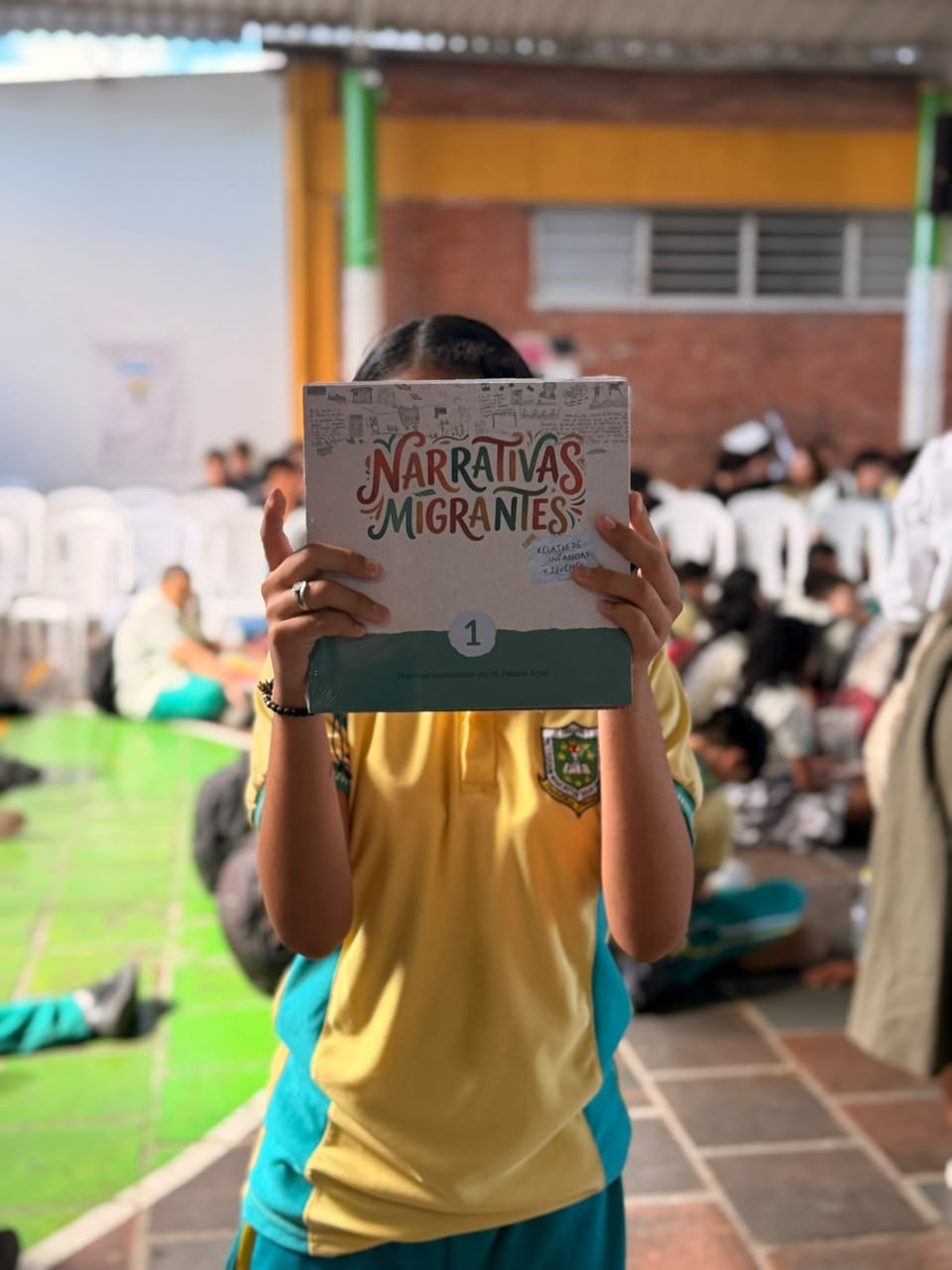
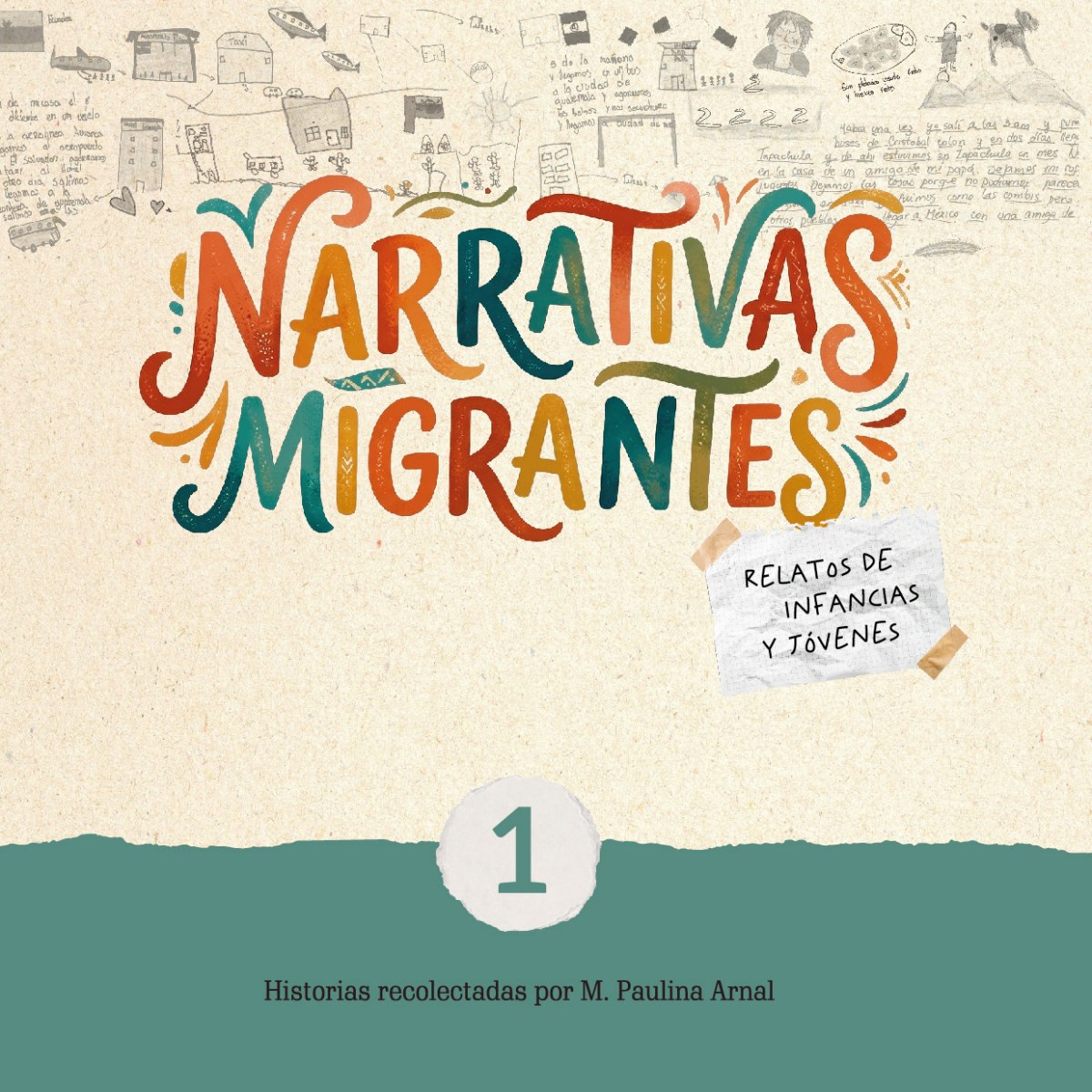
Paulina Arnal (Bielefeld University) led a writing workshop with Venezuelan children in Cúcuta, Colombia. The children wrote their own migration stories. A forthcoming book will feature these stories, and each participating school will receive a library of books on peace and migration from children’s perspectives. In partnership with Comparte Colombia.
2 – 29 Oct 2025
International Seminar: “Estéticas de paz: literatura, arte y otras medialidades”
A month-long international seminar at the Università degli Studi di Milano within the HORIZON-MSCA-SE Peace and Mobilities Project. The programme featured four axes: Focos (plenary lectures), Foros (thematic panels), Diálogos (conversations), and practical workshops. Also in collaboration with the Colombia Migrante Film Festival.
23 Sep 2025
Talk: “Discursos contemporáneos contra la migración: delirio y repetición”
Presented by Sebastián Martínez (Bielefeld University) at Universidad de Santiago de Chile. The talk addressed contemporary anti-migration discourses, analysing patterns of repetition and delusion in public rhetoric around immigration.
20 – 21 Aug 2025
Conversation: Barracks as Sites of Memory — From Horror to Peacebuilding
Organised by the National University of Colombia, Bielefeld University, UNDP Colombia, and the Carlos Urán Foundation, in Bogotá. Specialists from Brazil, Chile, Argentina, and Guatemala joined victims, experts, and JEP magistrates to discuss the role of former military sites in justice, reparation, and non-repetition.
18 Jul 2025
TRAMOS Seminar: Implications of the Trump Administration’s Migration Policies for Northern Central American Countries
Invited speaker: Dr Jaime Rivas Castillo, at the University of Guadalajara. The seminar examined how US migration policy under the Trump administration impacts northern Central American countries, addressing broader geopolitical and humanitarian consequences.
10 Jul 2025
Talk: “El exilio como construcción poética y política en La orfandad de los espejos de Sonia Solarte Orejuela”
Presented by Lorena Villate (Universidad Nacional de Colombia) at Bielefeld University. The talk examined exile as both a poetic and political construction through the literary work of Sonia Solarte Orejuela, exploring displacement, memory, and identity in forced migration.
28 Jun 2025
Workshop: “Multiplicadores del Estado de Sajonia” — Closing Event
Collaboration in the closing event of a workshop series led by Venezuelan refugees in Saxony, Germany. The initiative aimed to legally empower refugees and migrants to support others in the asylum process in Germany. Organised by Neydi Villamizar, with contributions from Whirlyn Zamora on human rights.
13 – 16 Jun 2025
Field Visit: EU External Border — Melilla (Spain) and Nador (Morocco)
Organised by Comillas University, Spain. Partners explored the social, cultural, and economic dynamics of Melilla, shaped by its border closure with Morocco. Through conversations with local communities, they examined tensions and visions of peace. In Nador, they visited a civil society organisation working with refugees and discussed local peacebuilding efforts. Consortium members also participated in an interview with RTVE Melilla.
21 May 2025
Book Presentation: Exilios y Lejanías: Racconti di donne Colombiane
The event featured the presentation of Exilios y Lejanías, a collection of stories by Colombian women, at the Università degli Studi di Milano, Italy. Speakers included Gloria Mendiola, Claudia Tribin, Mariana Schmit, Berta Quiroz, and María del Rosario Vásquez. Introduction by Laura Scarabelli and Pilar Herrera.
15 May 2025
Talk: “Los 100 años de la Revolución Tule (1925): Memorias de lucha y fronteras de paz en Panamá”
A special commemoration marking a century of resistance and cultural identity at Piazza Sant’Alessandro, 1, Milano, Italy, reflecting on the legacy of the 1925 Tule Revolution and the struggles and borders of peace in Panamá.
15 May 2025
Seminar: Transnational Justice and Truth Commissions in Latin America
This seminar introduced transitional justice with a focus on Latin America. Taking a closer look at Colombia’s Truth Commission, it explored the challenges of confronting a violent past and shaping collective memory. Participants reflected on lessons this process may offer to other societies seeking justice and healing.
15 – 17 Jan 2025
Congress: Pragmatics of Peace on the Move — Challenging Perspectives on Mobility-Related Conflict
The congress aimed to analyse, from conceptual, methodological, artistic, and practical perspectives, the conditions for the possibility or impossibility of certain peace proposals.




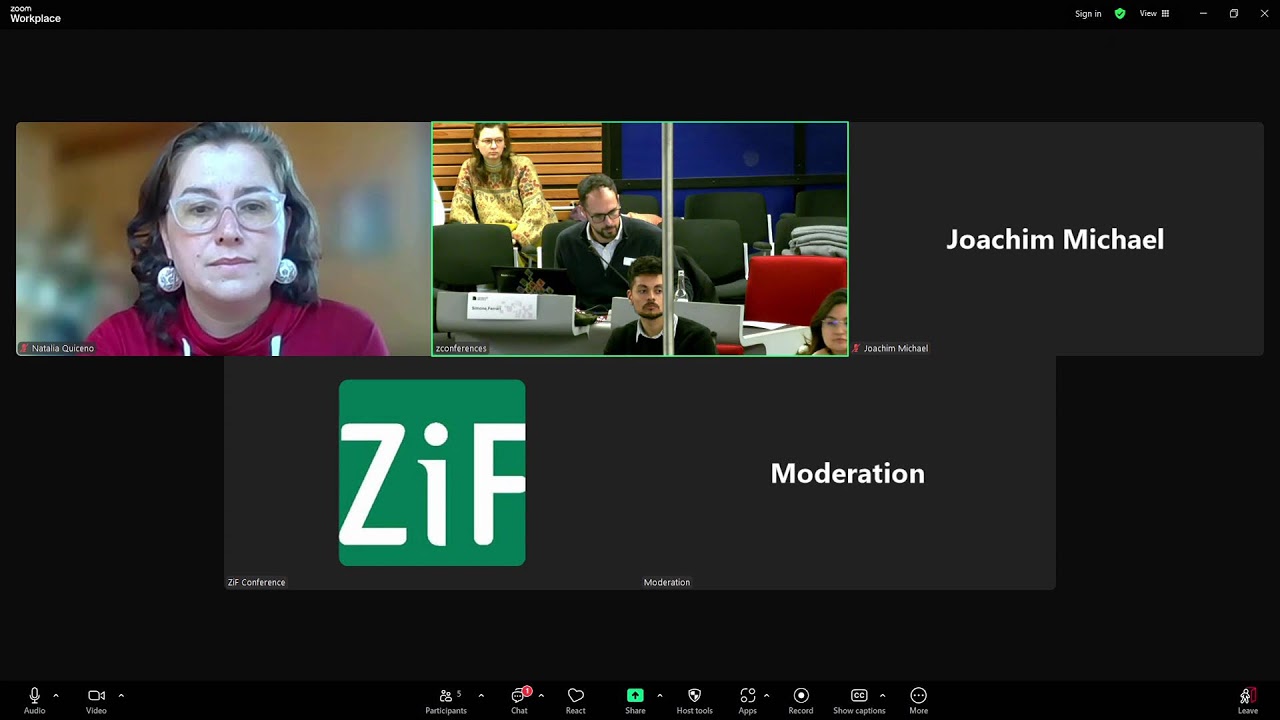
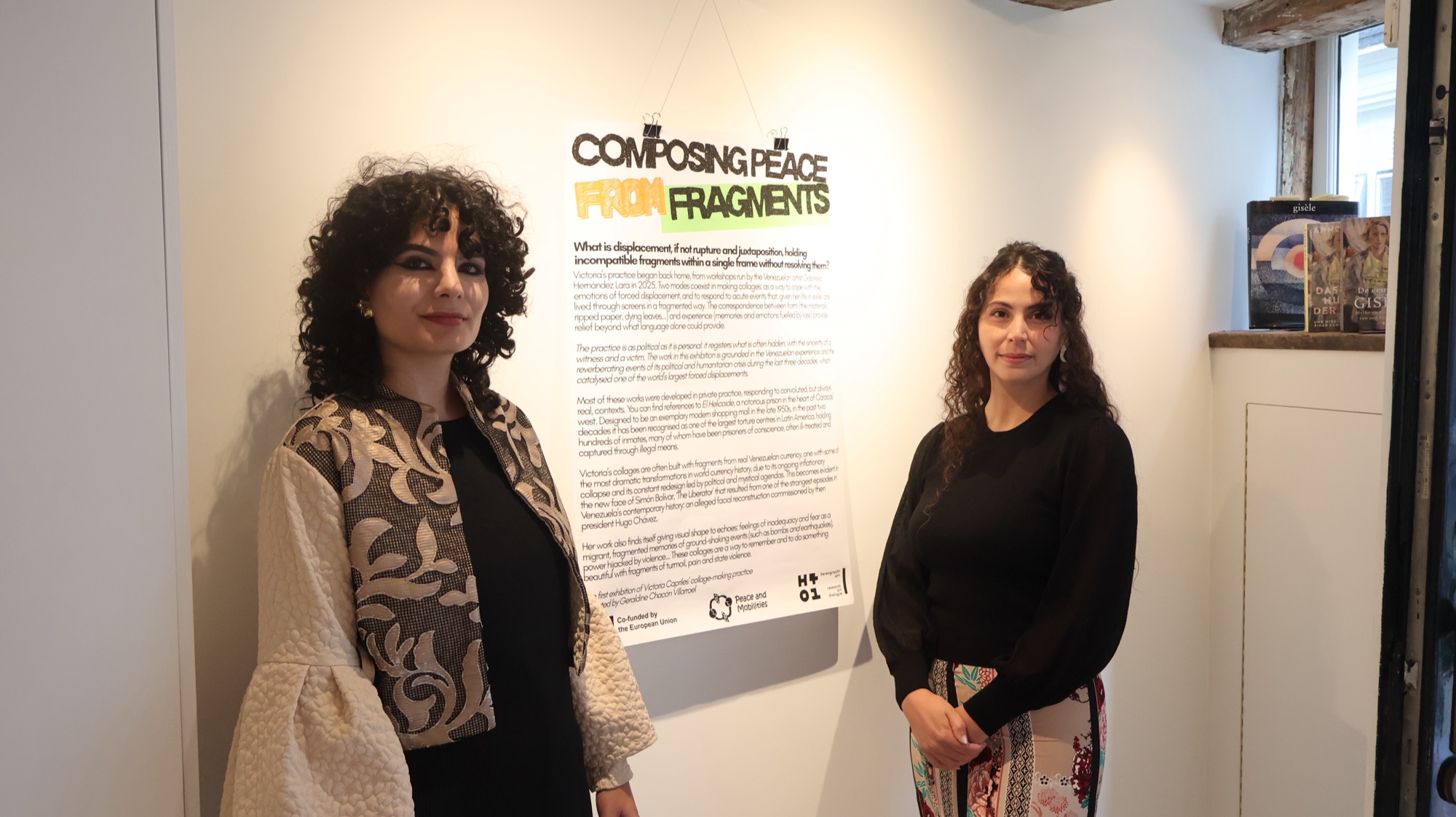
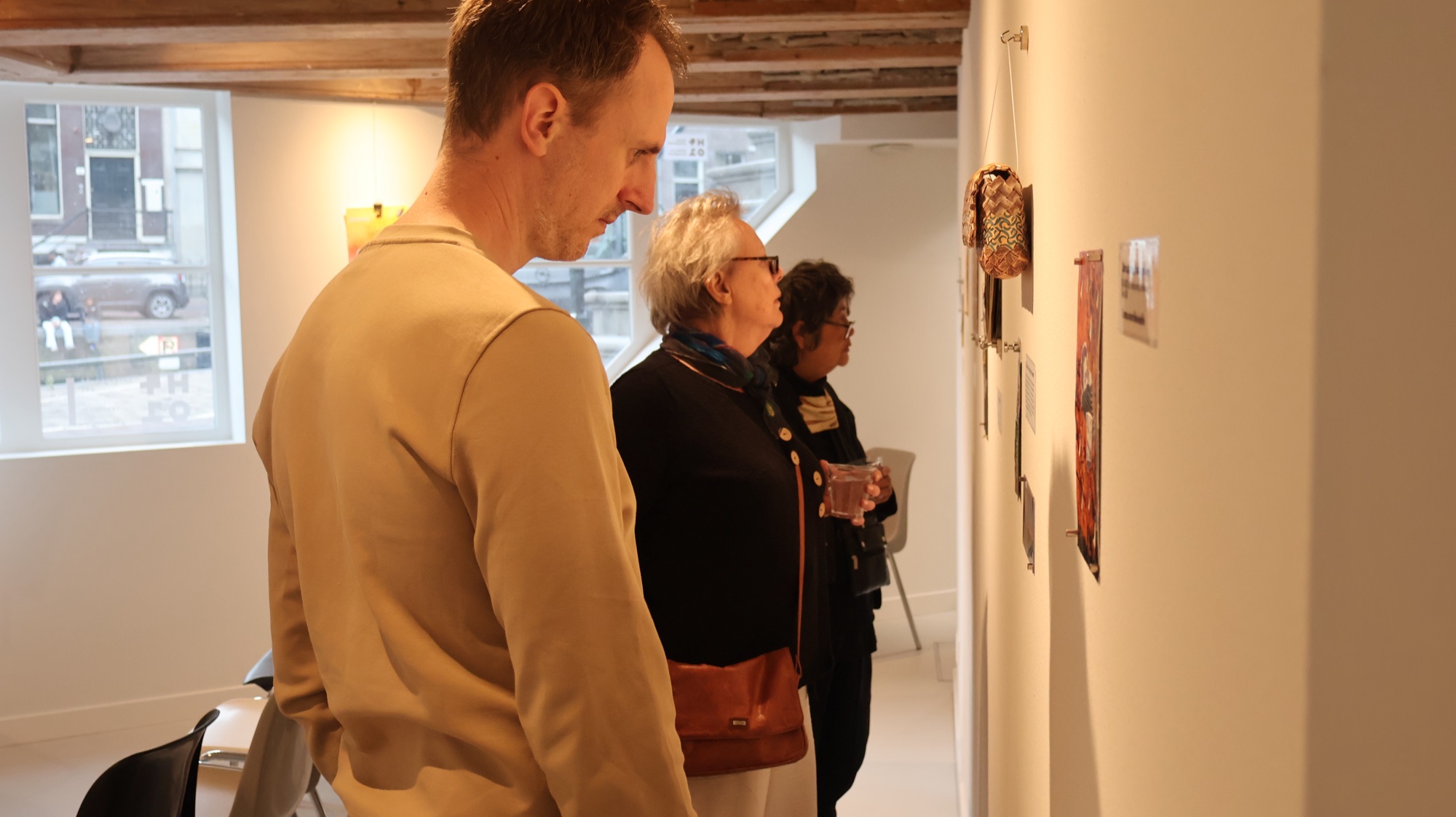
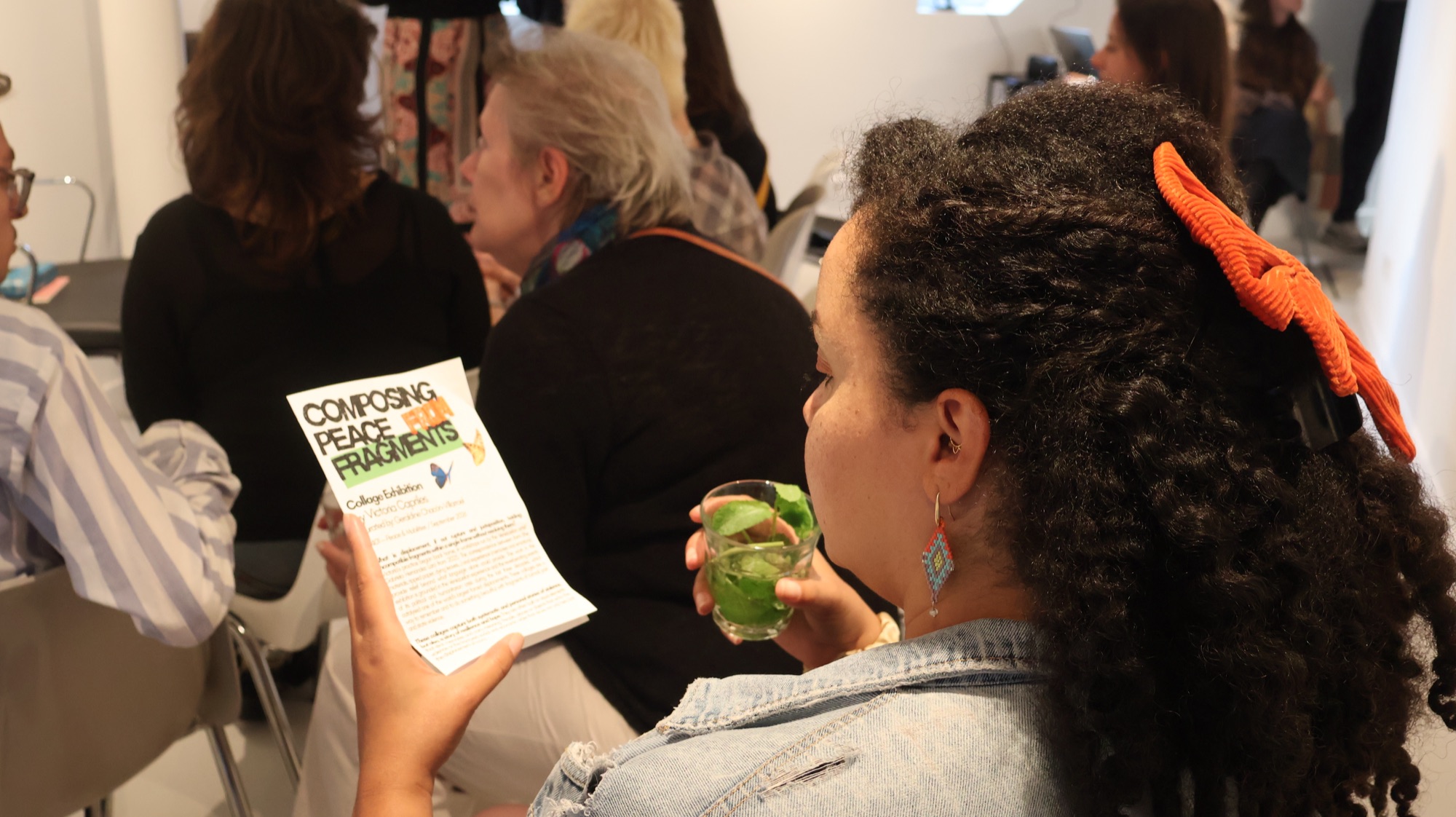
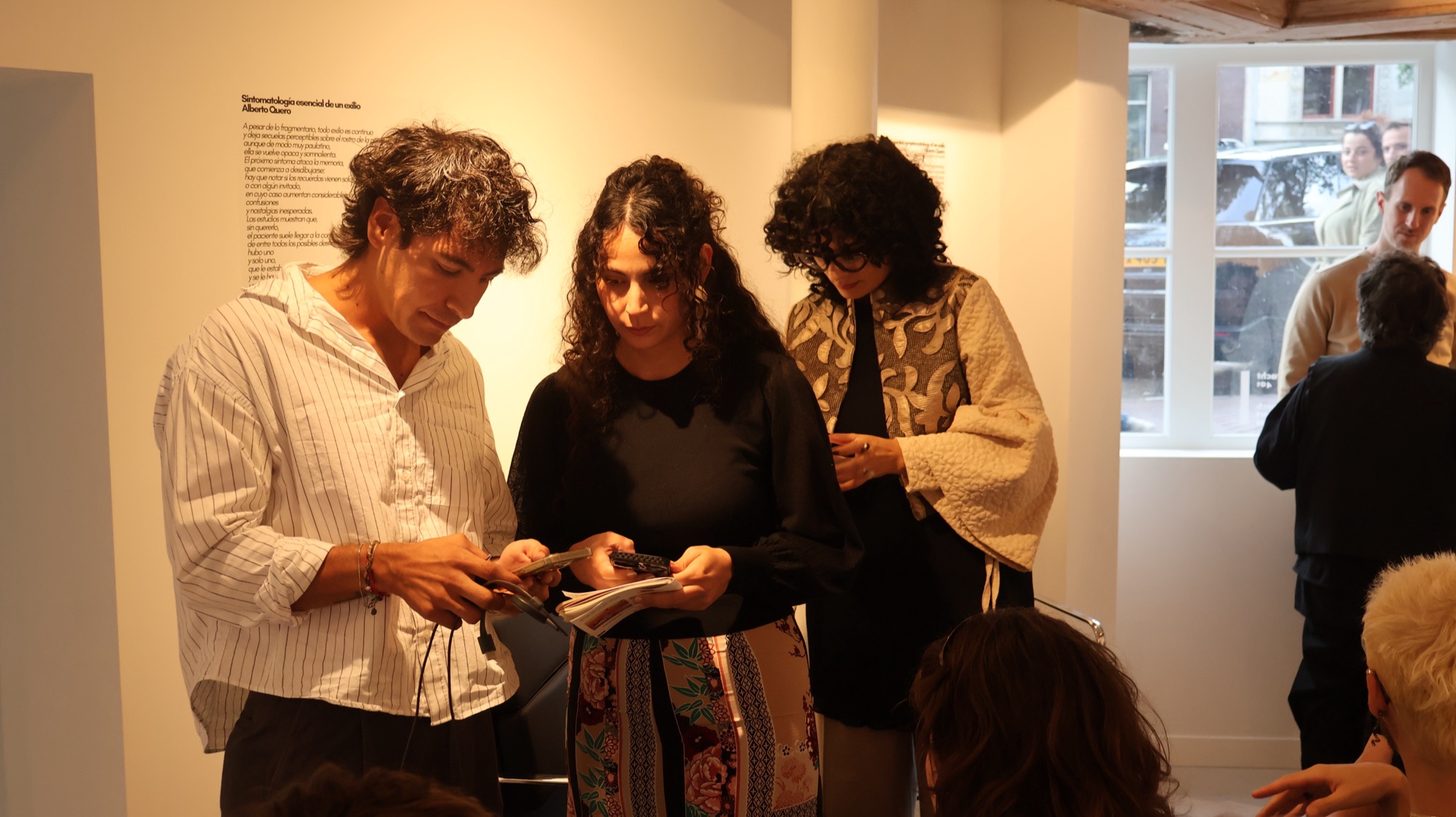
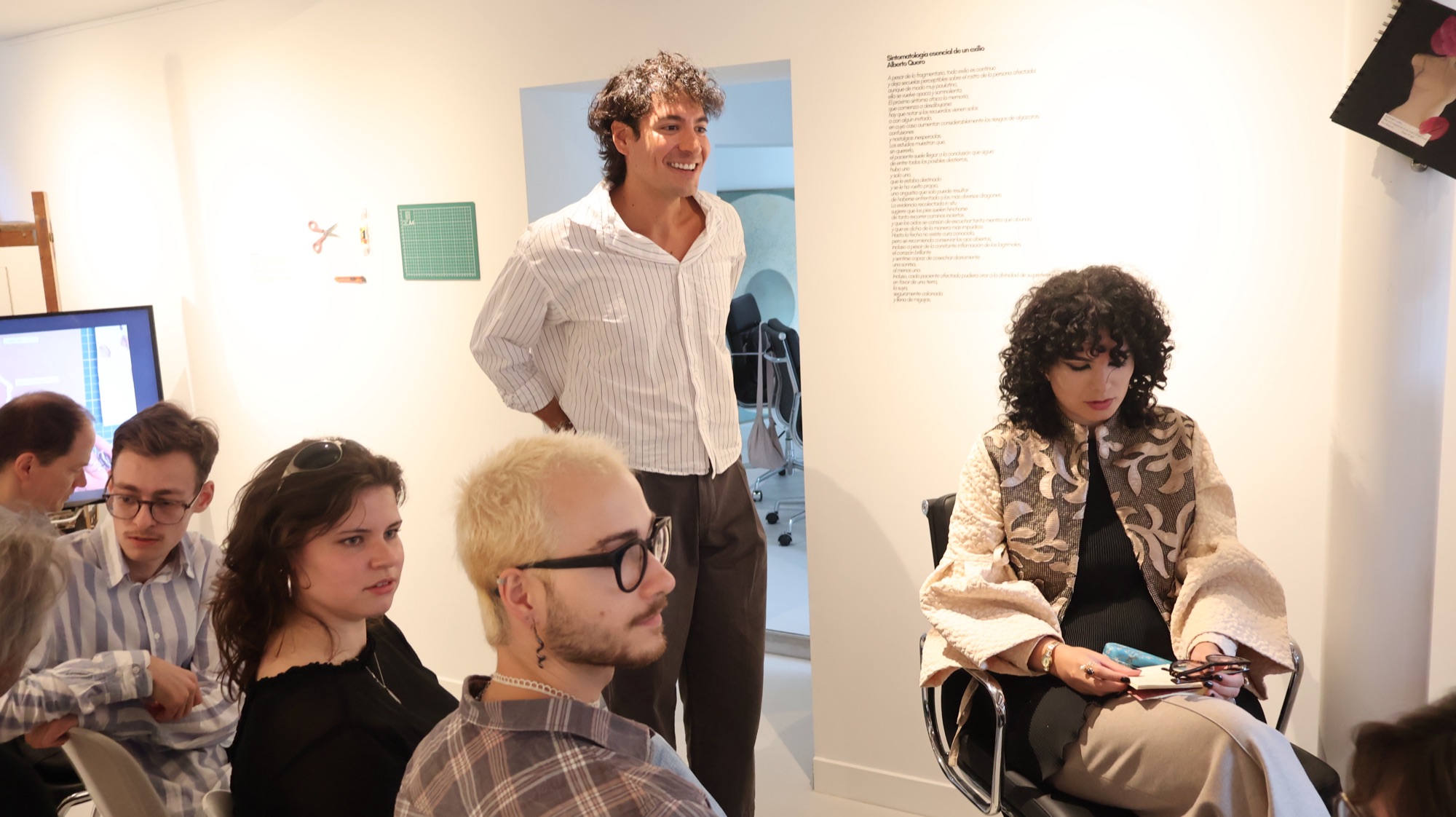
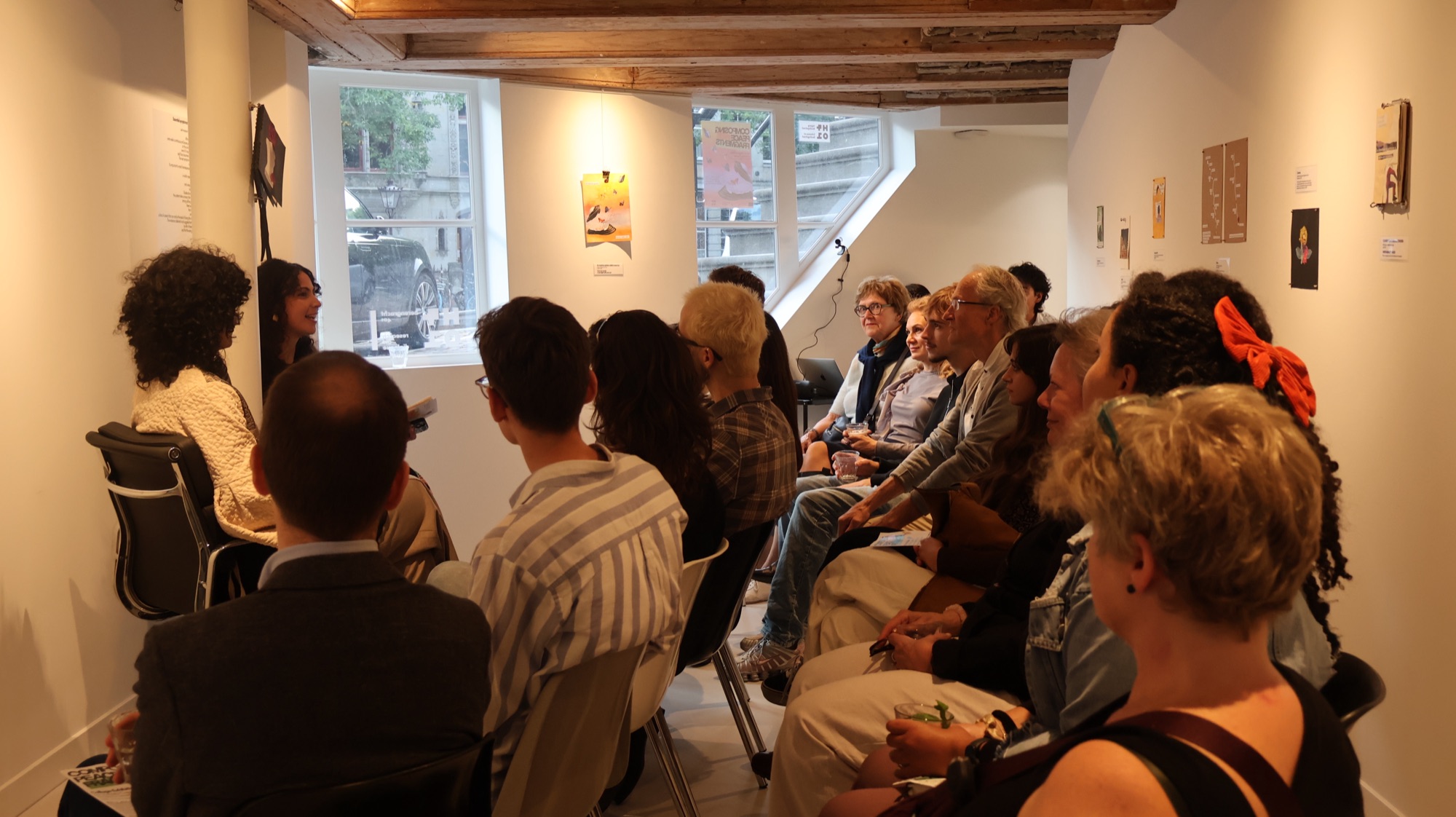
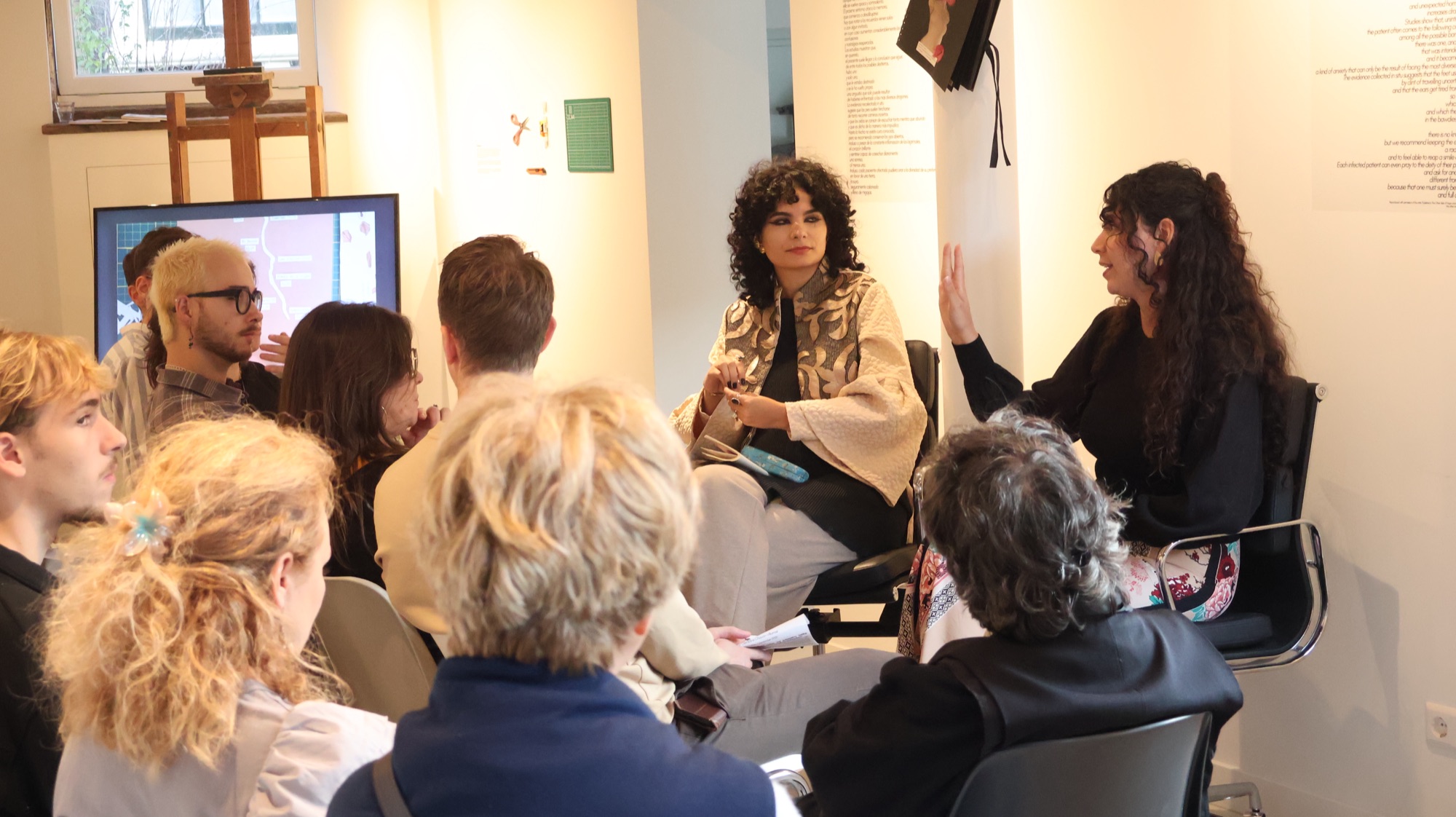
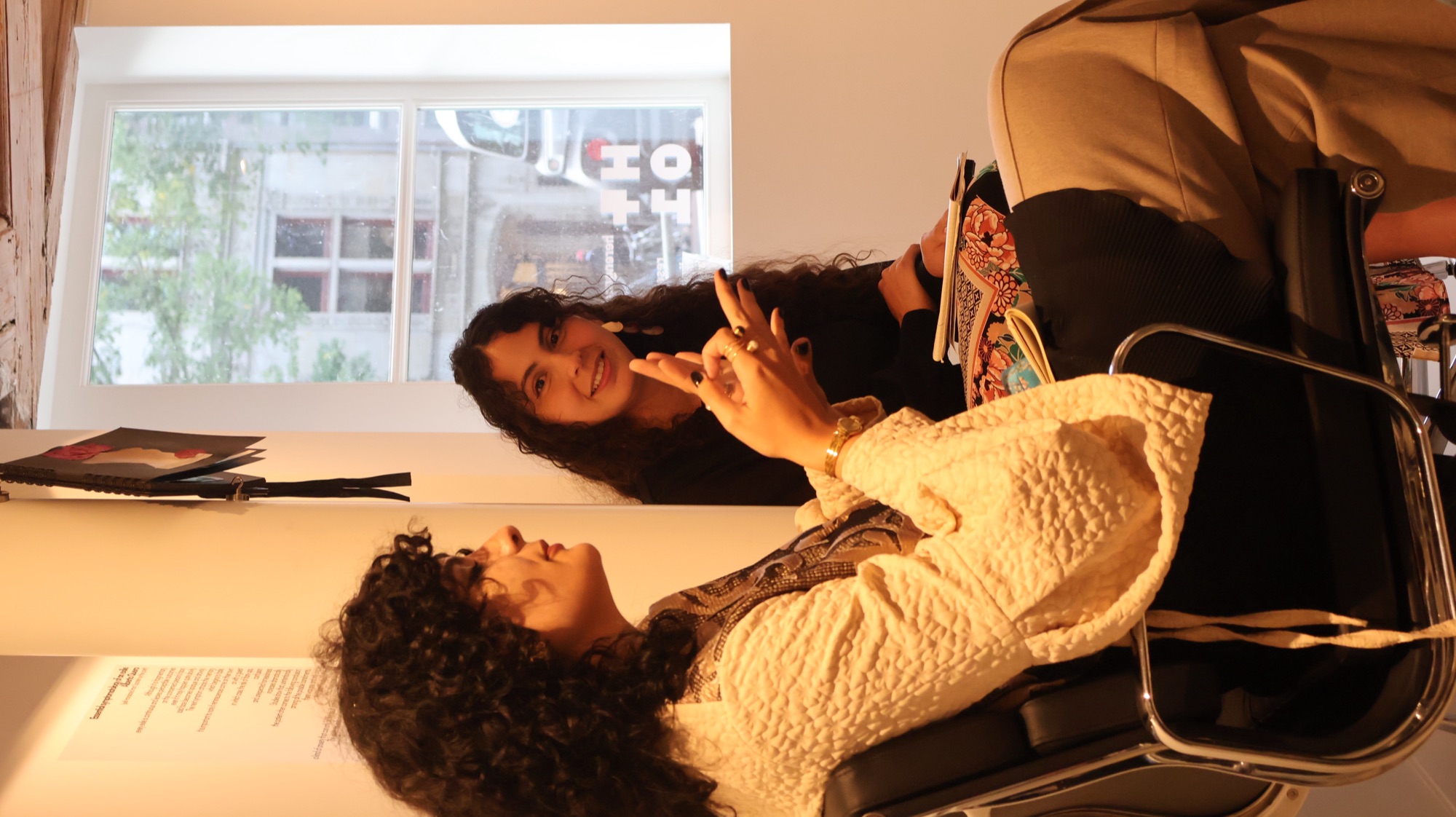
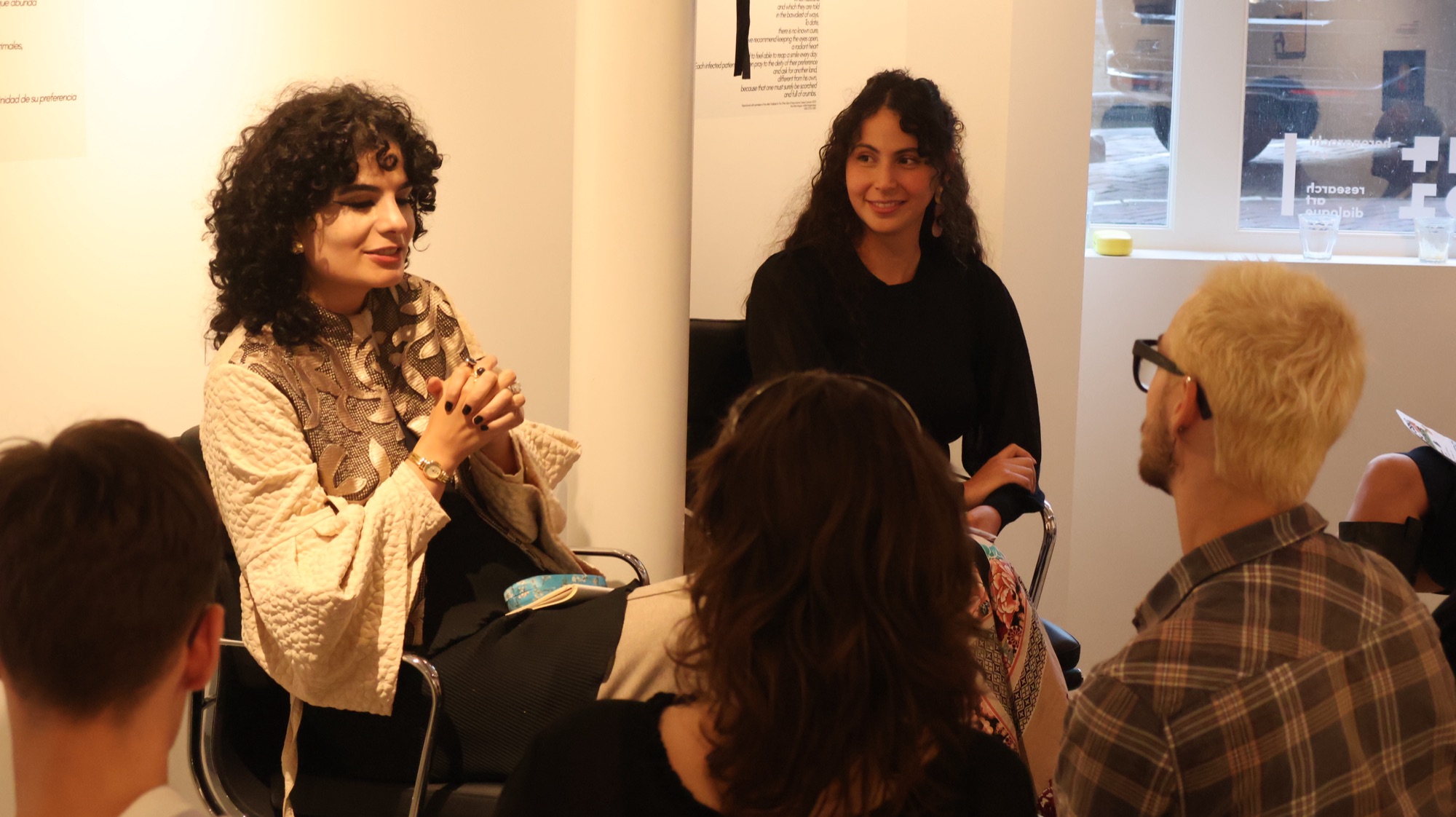
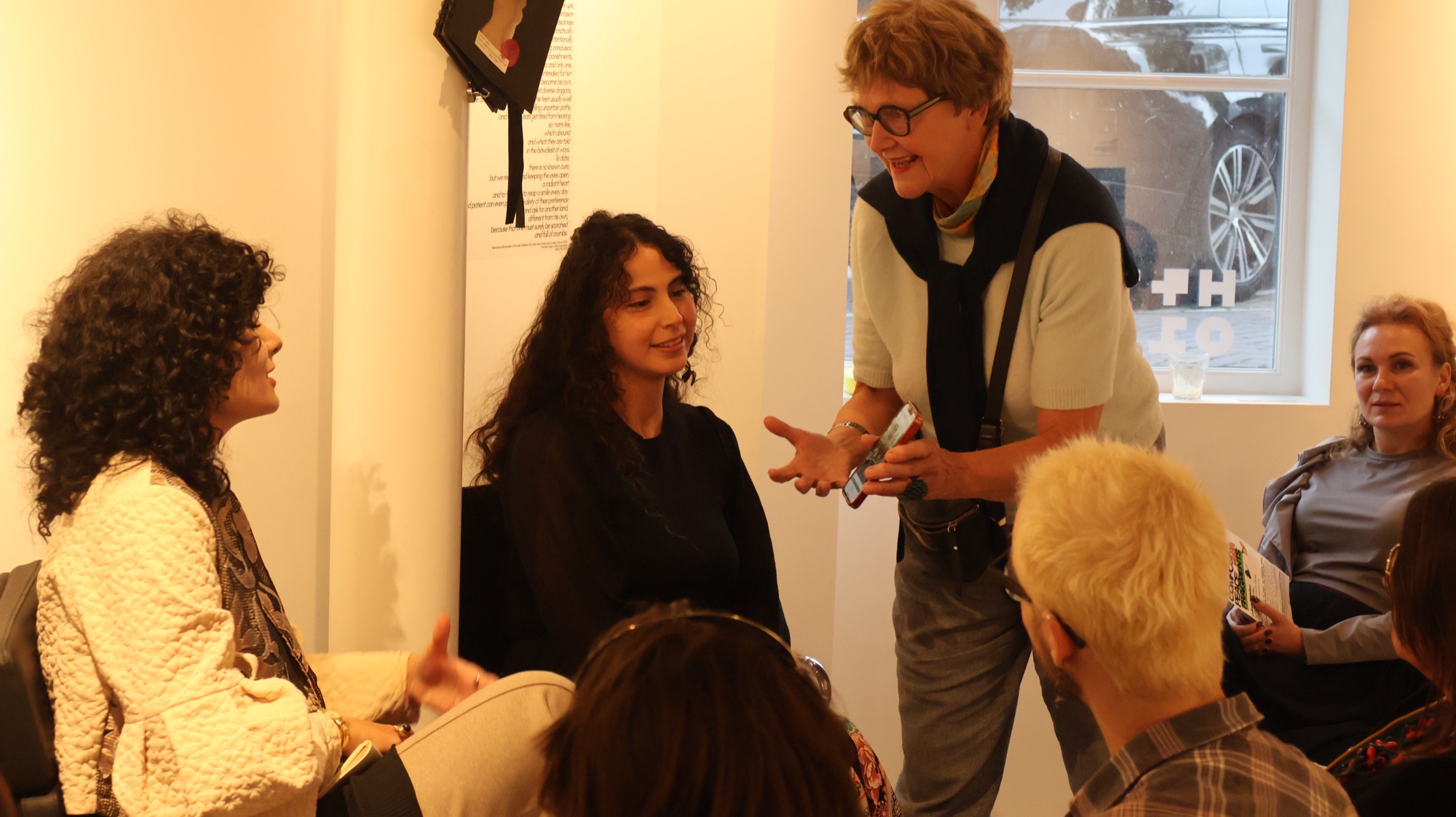
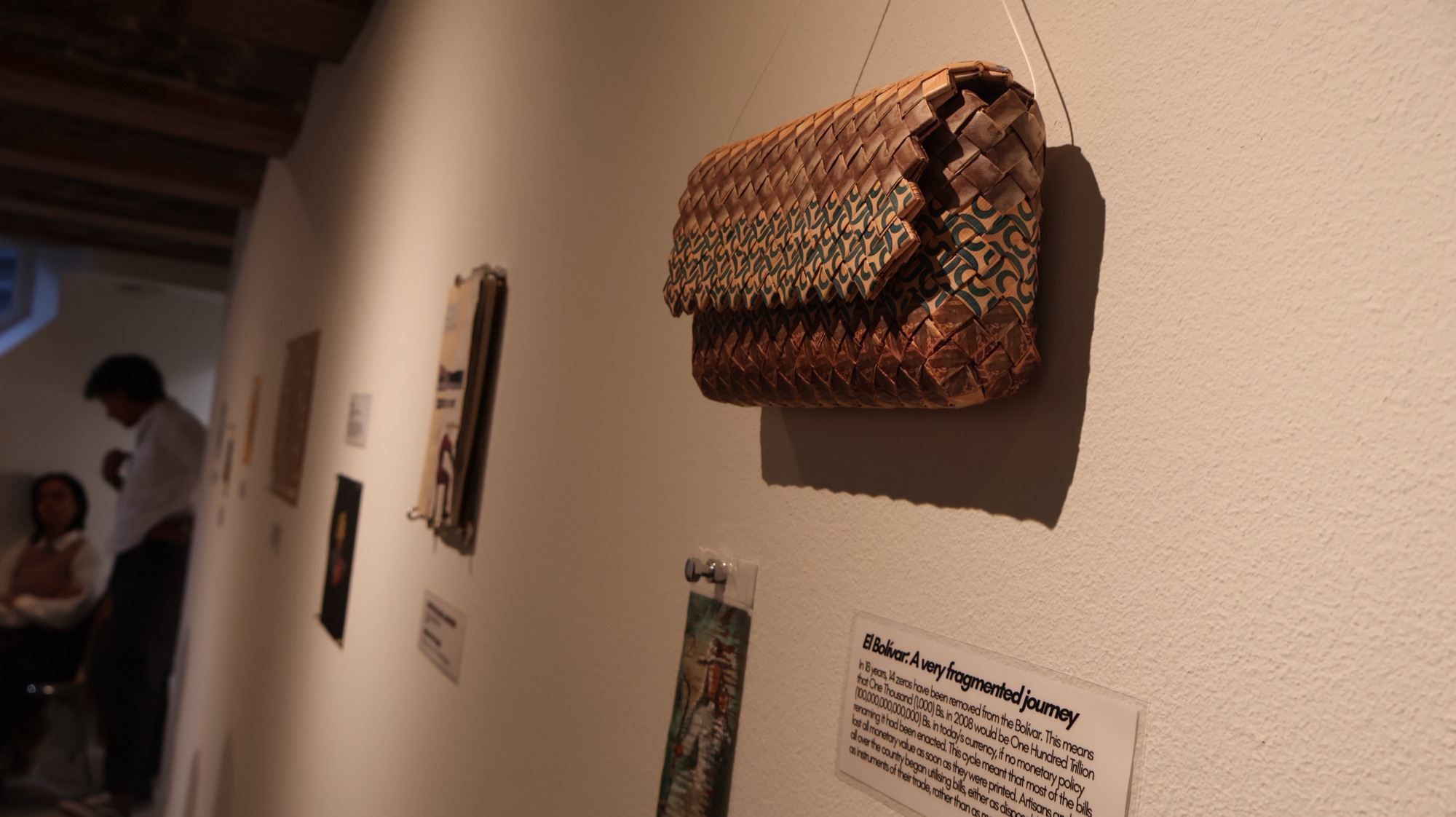
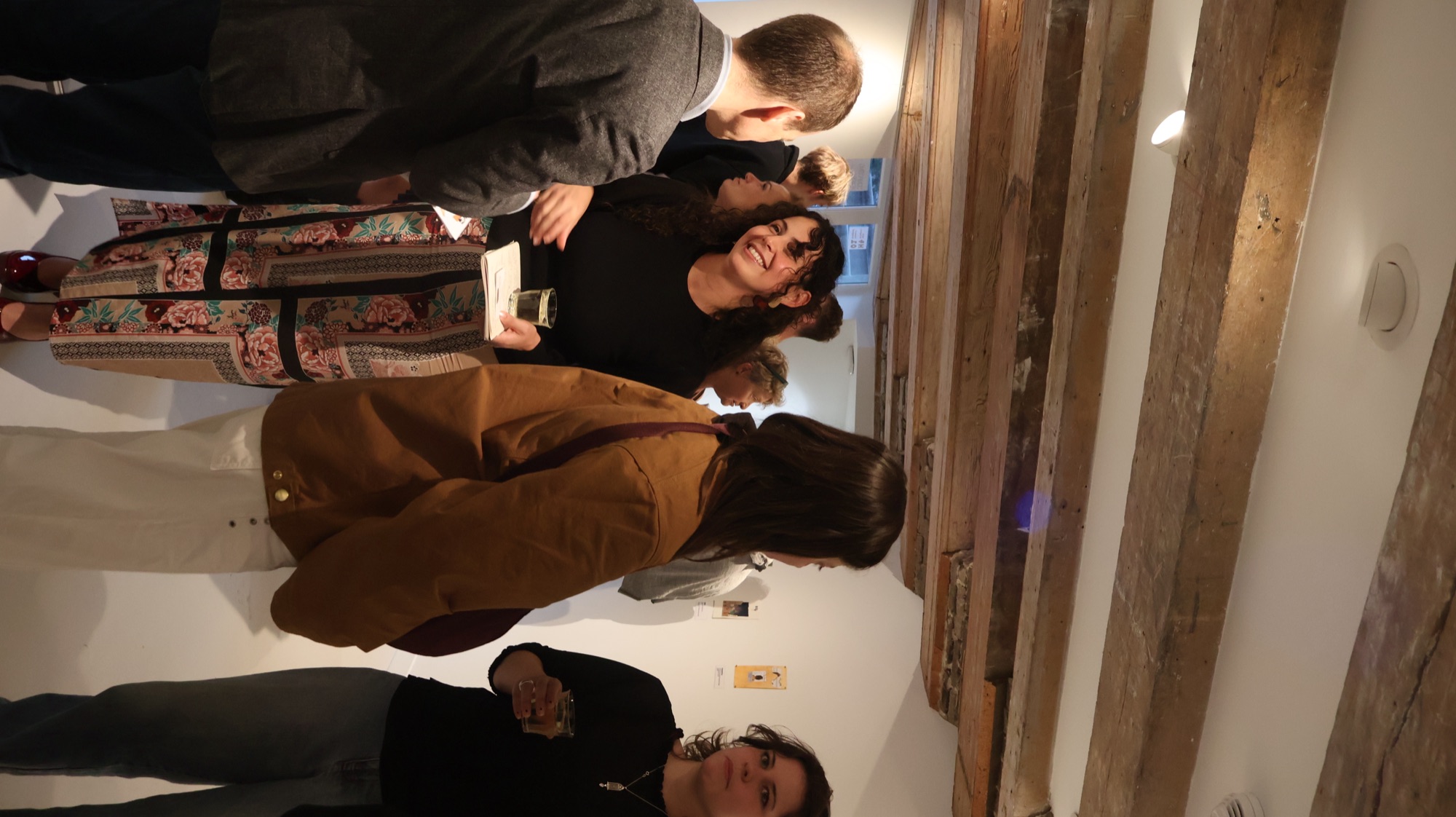
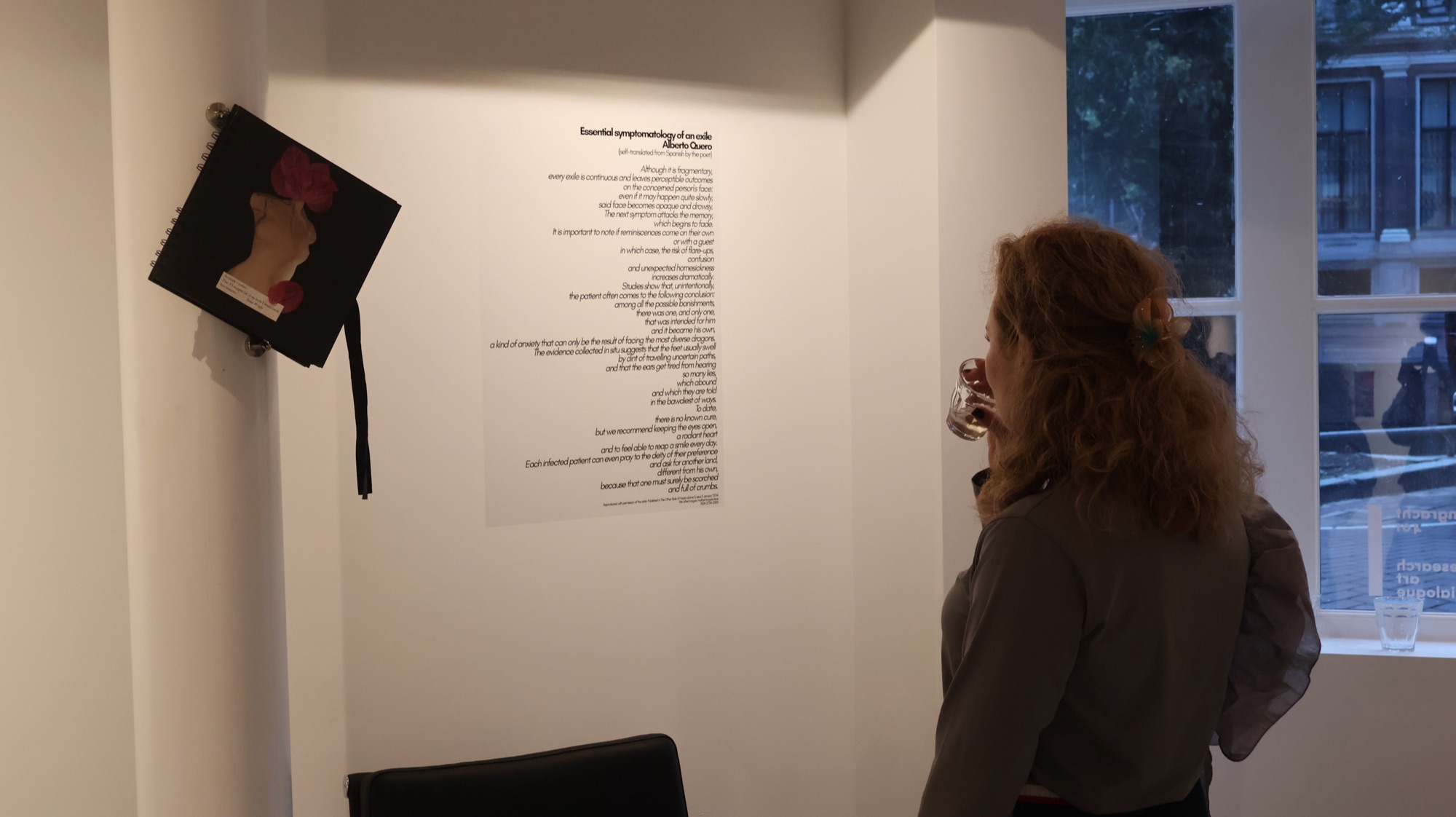
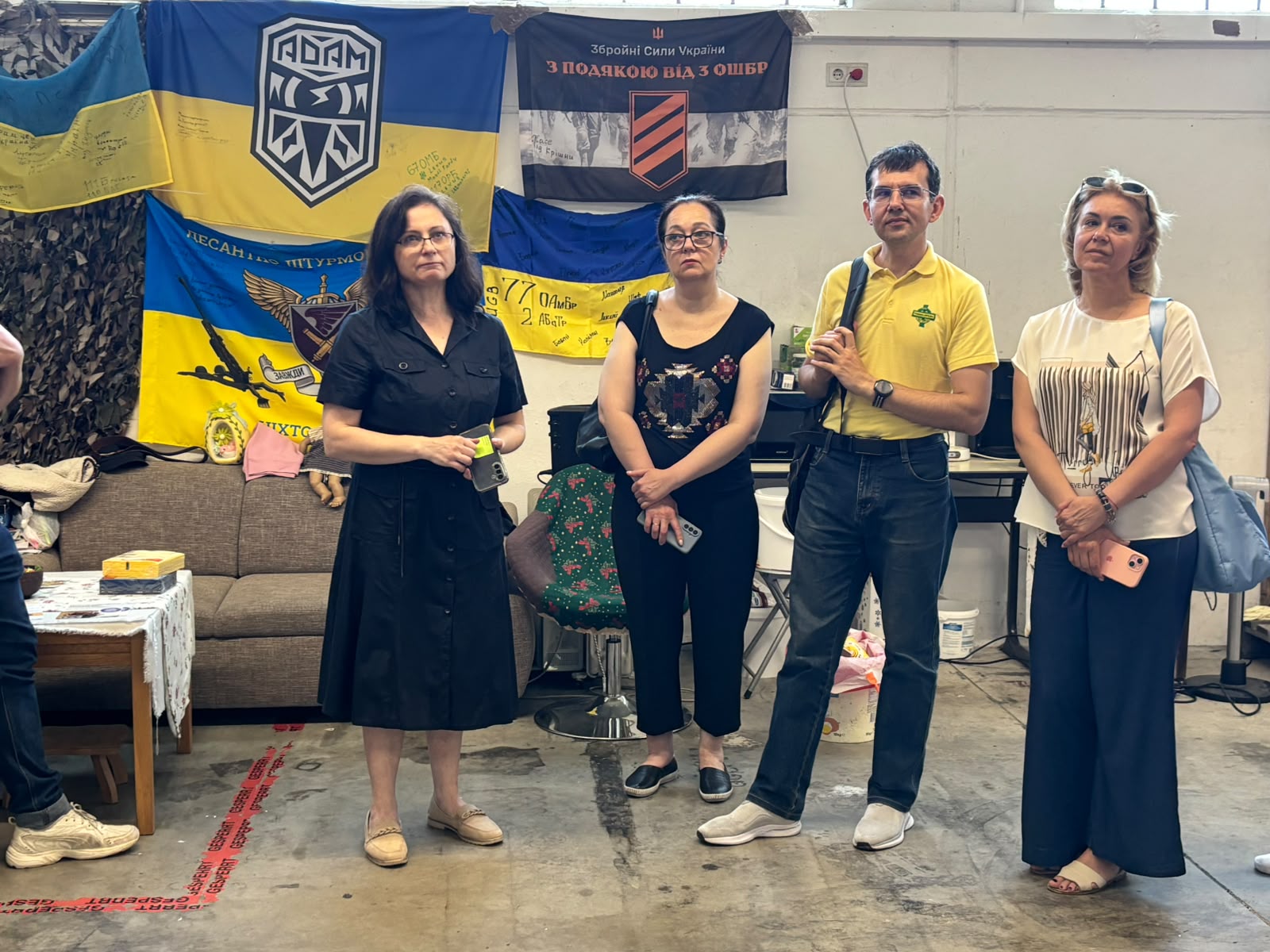
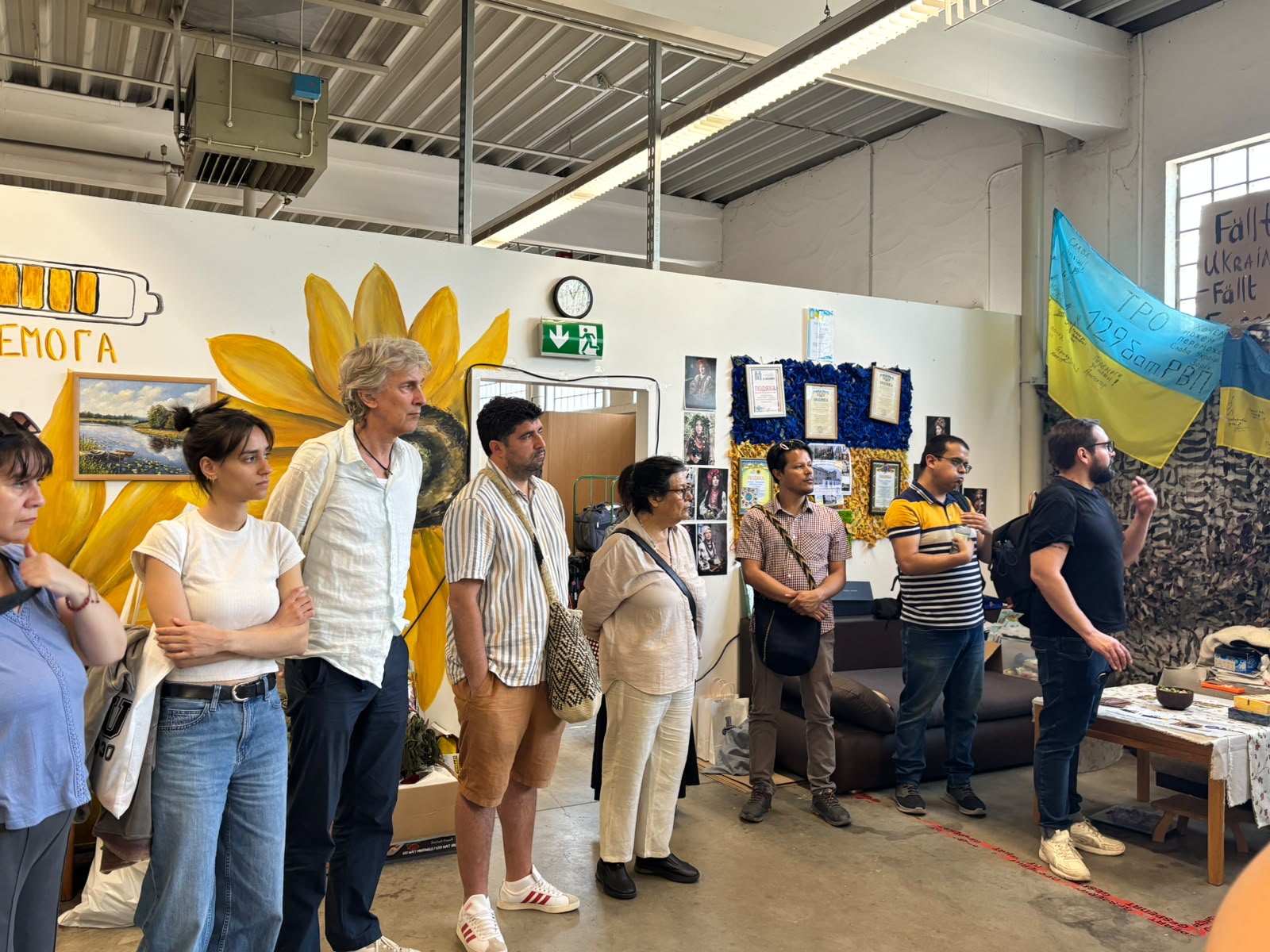
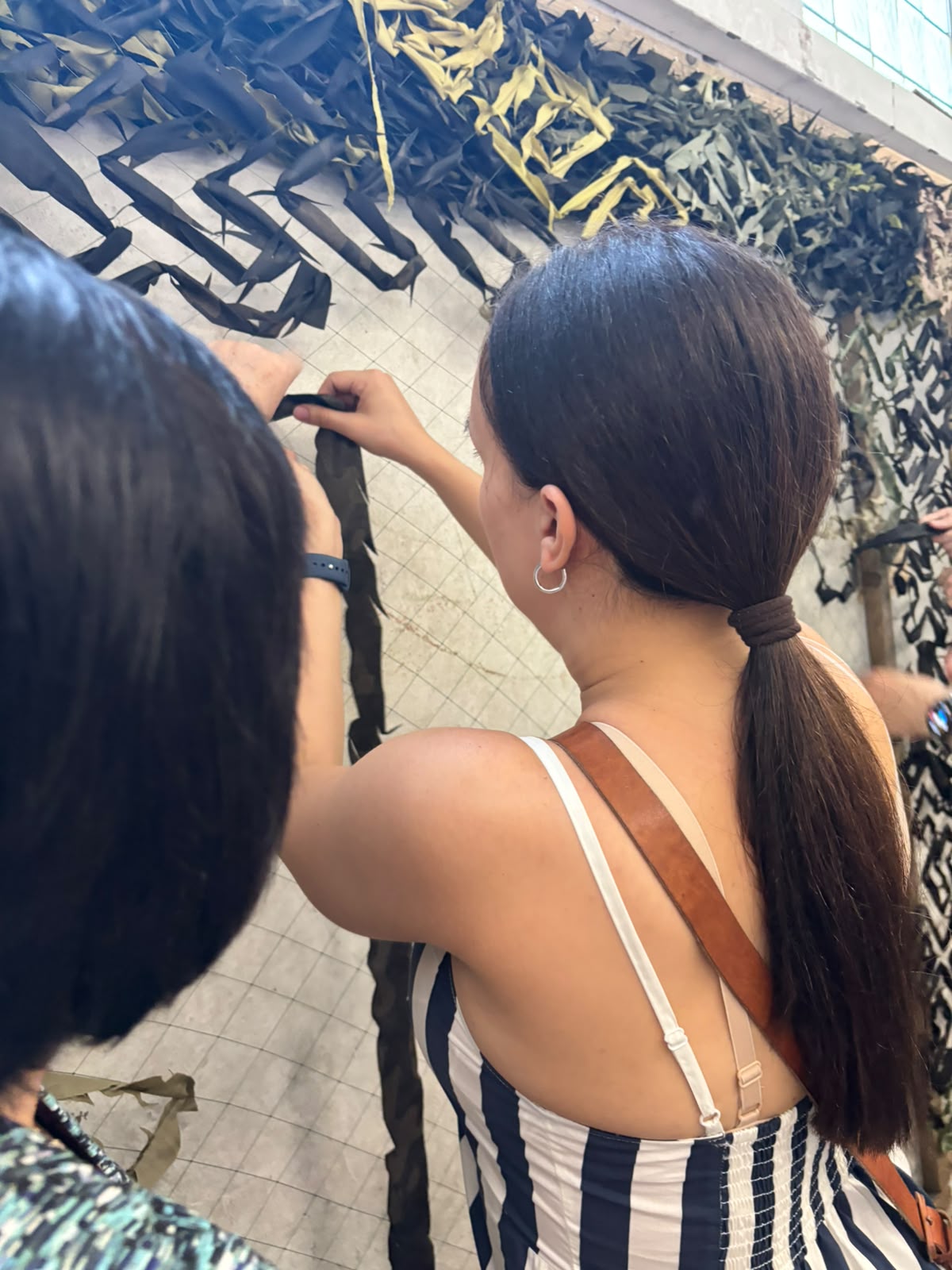
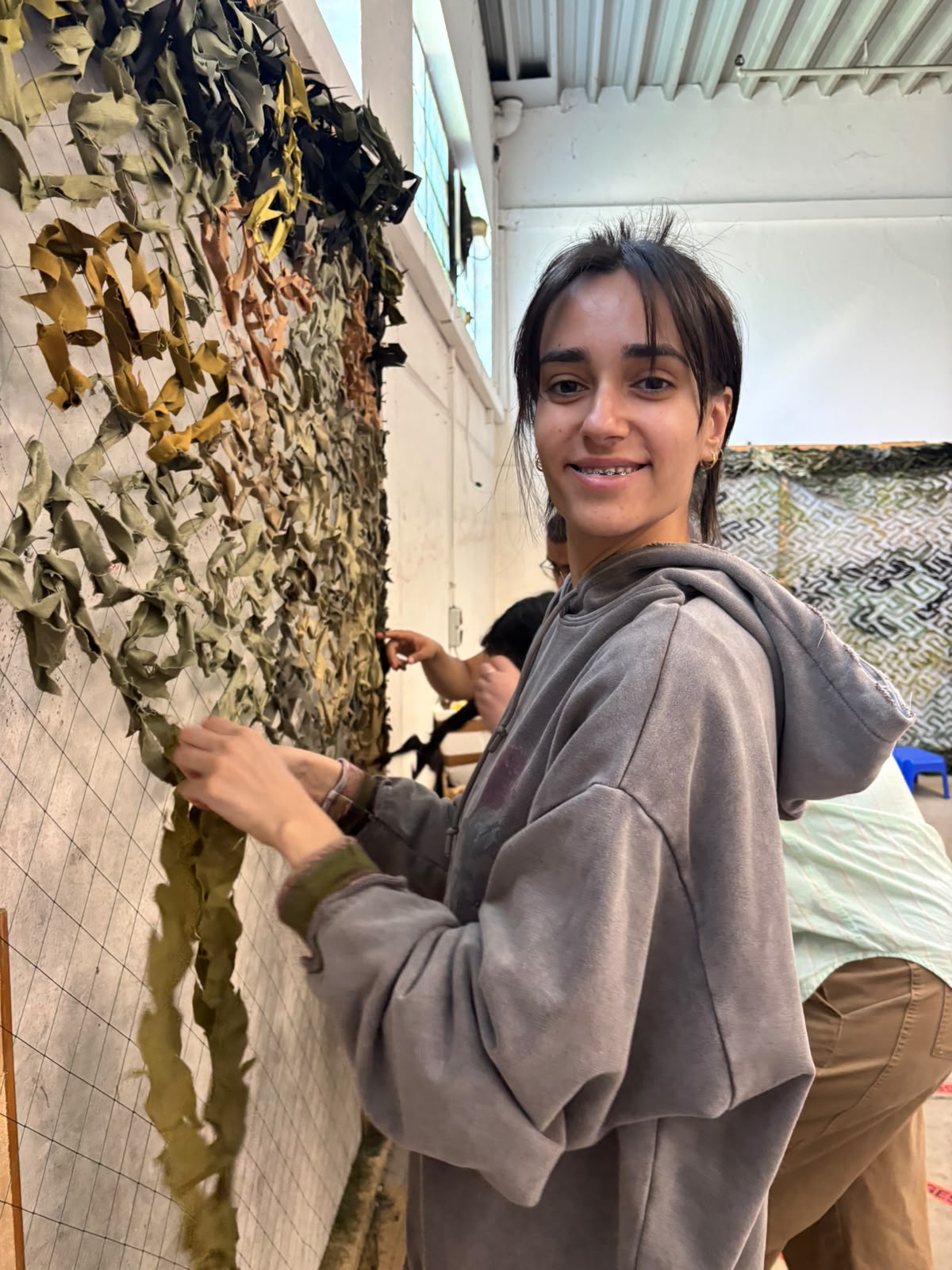
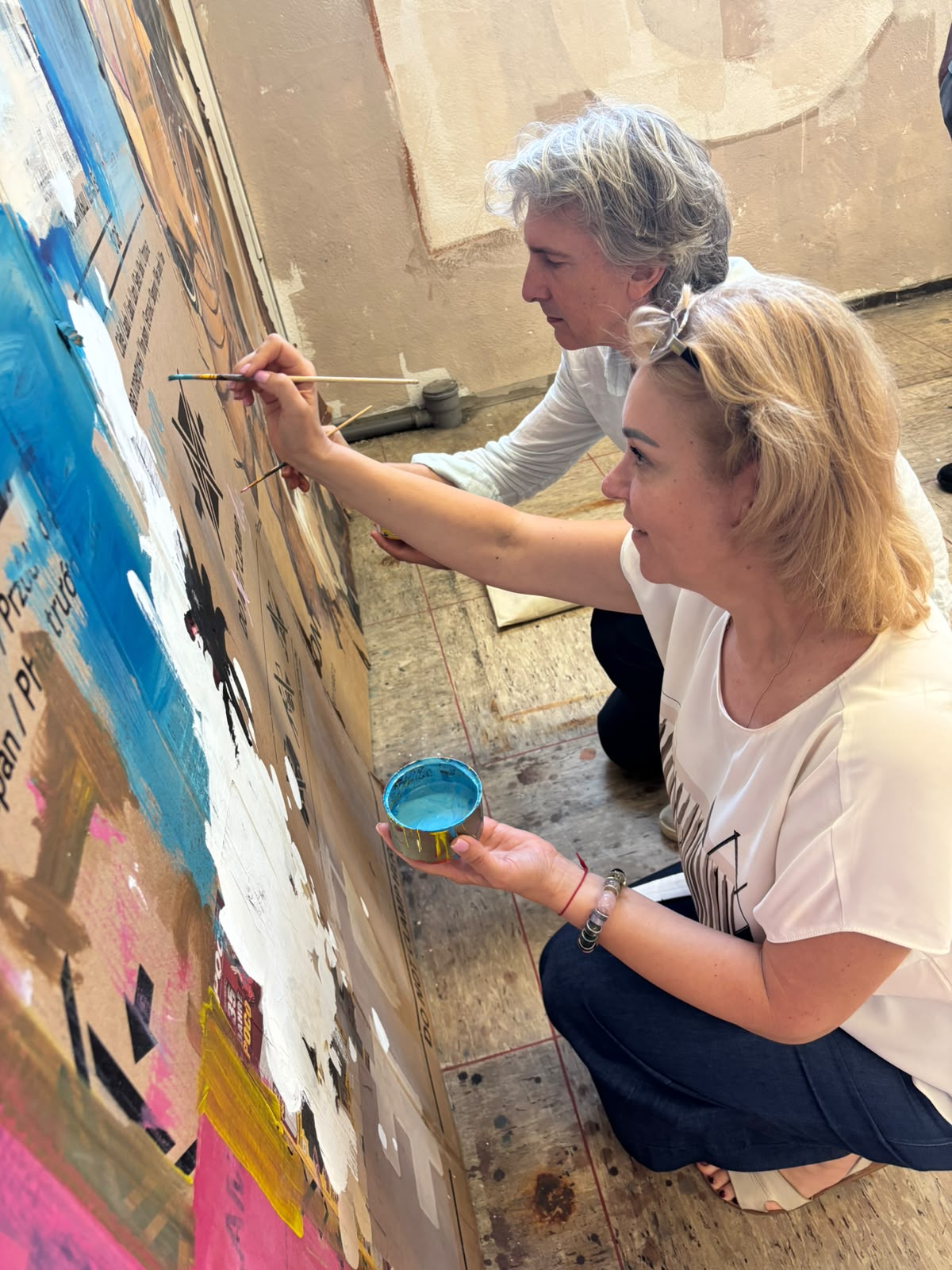
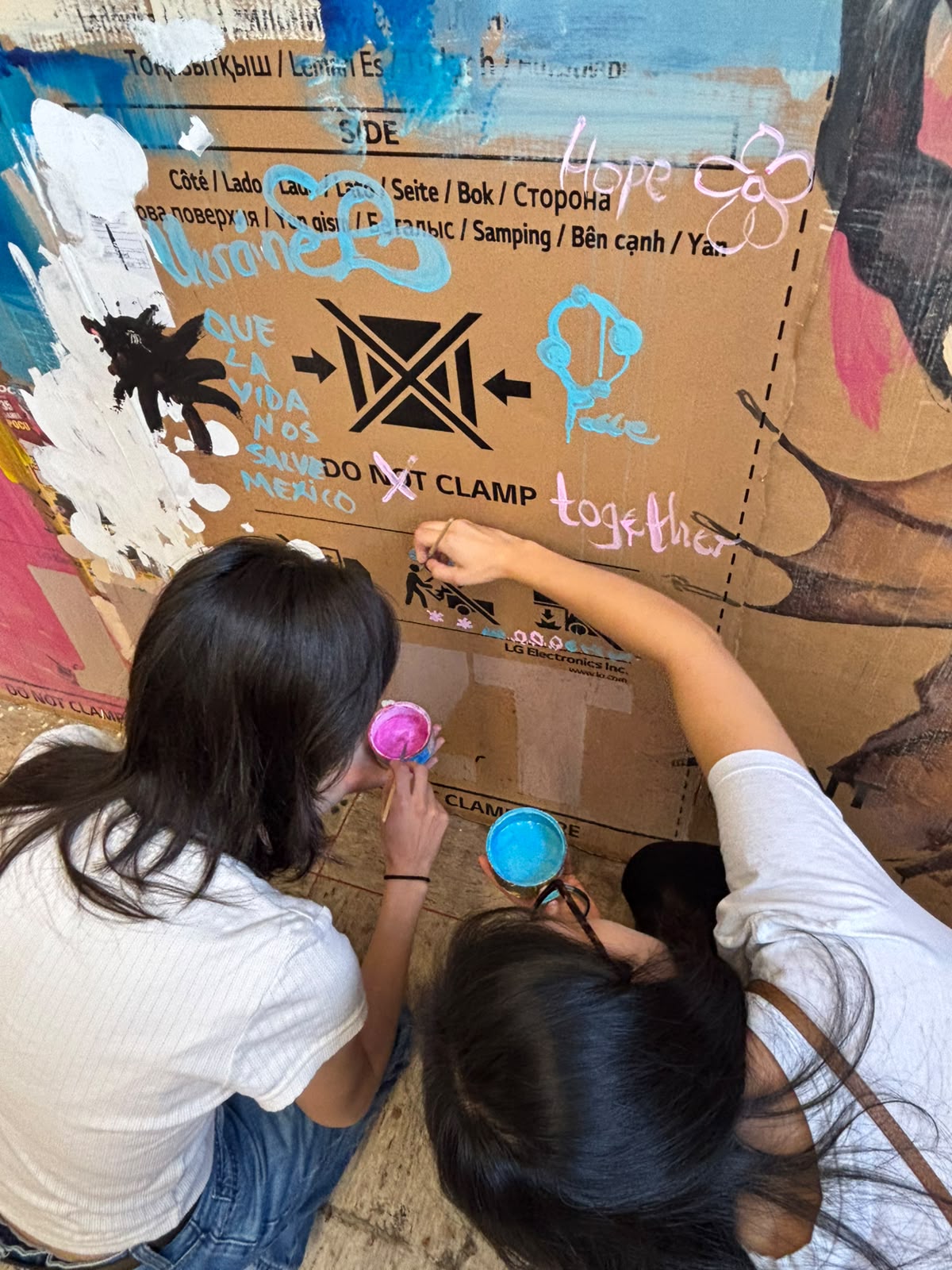
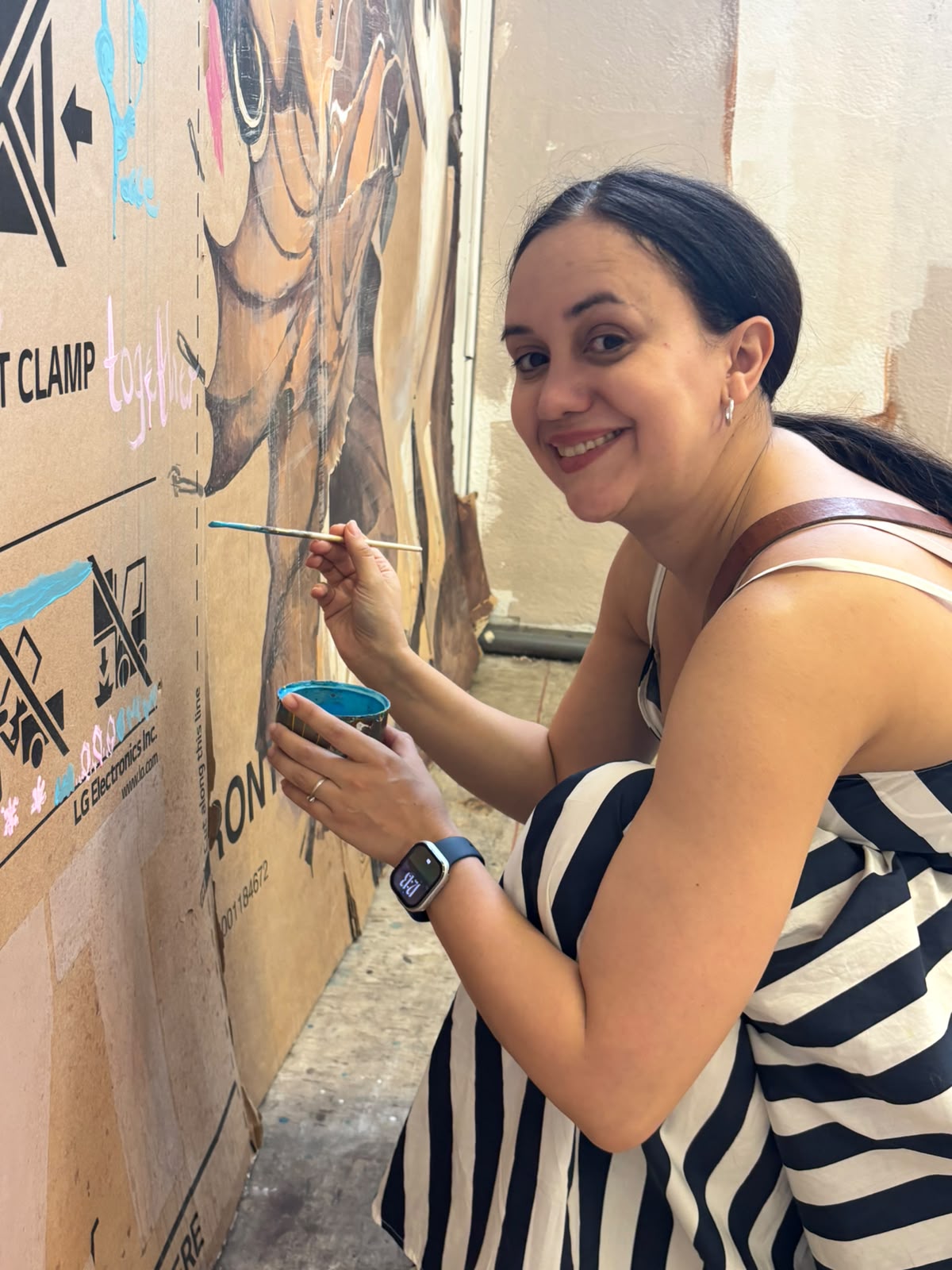
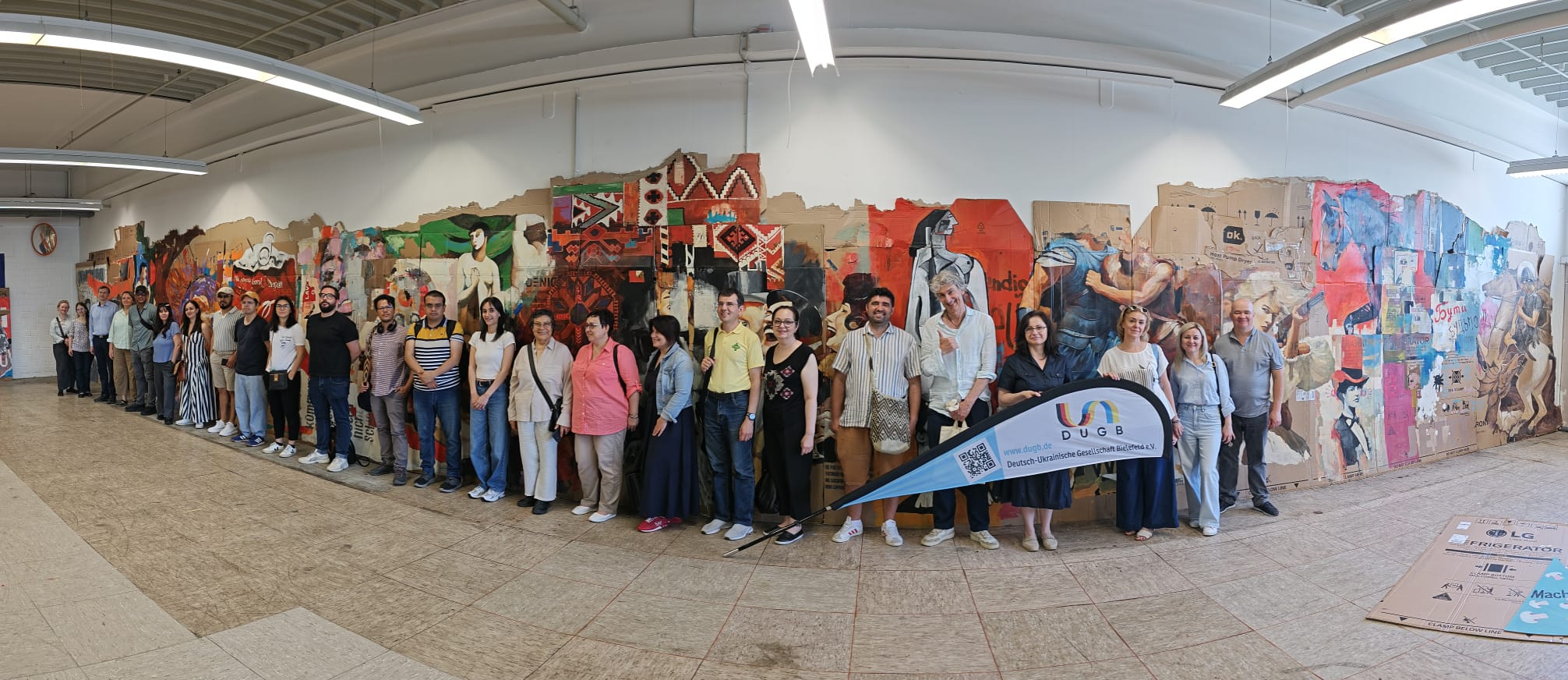
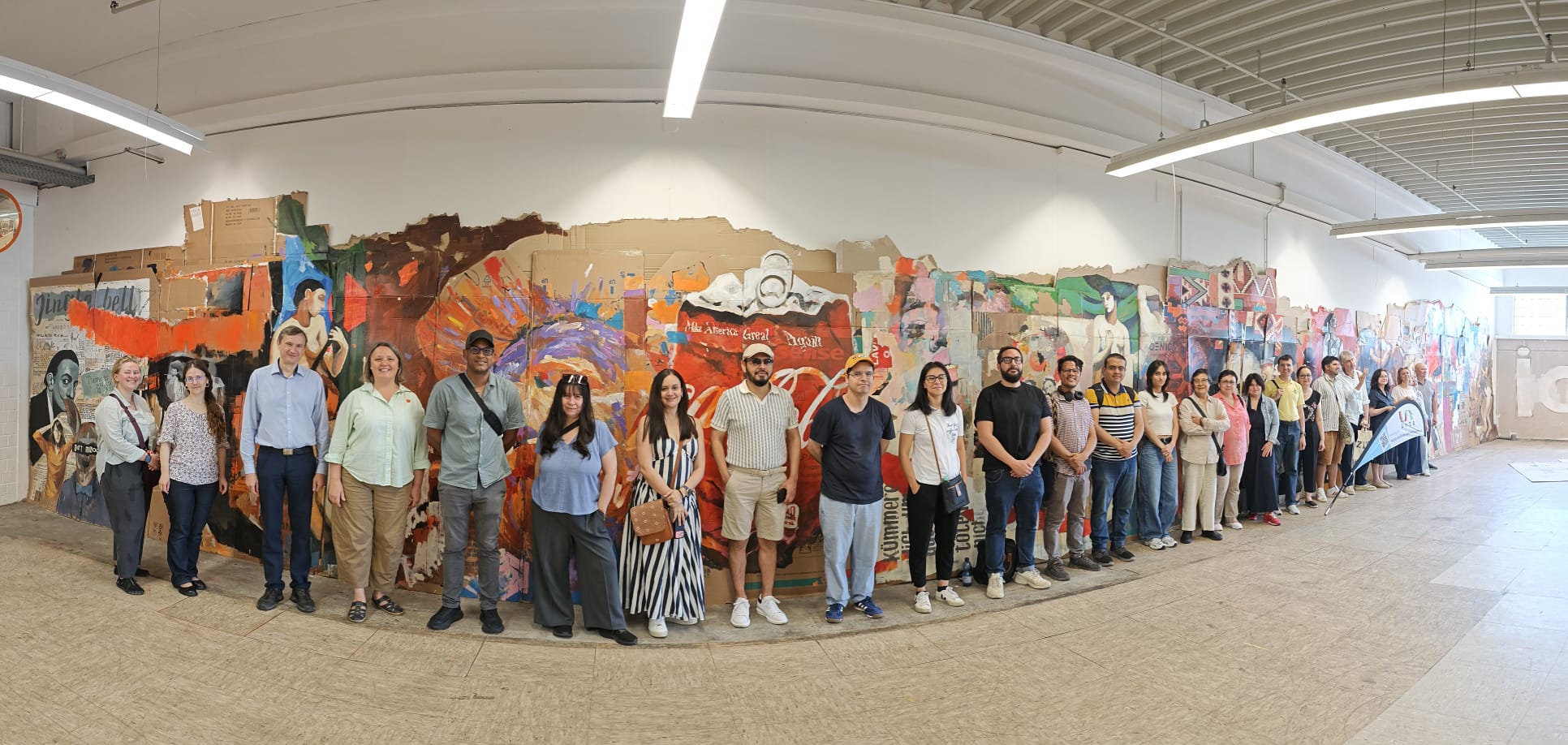
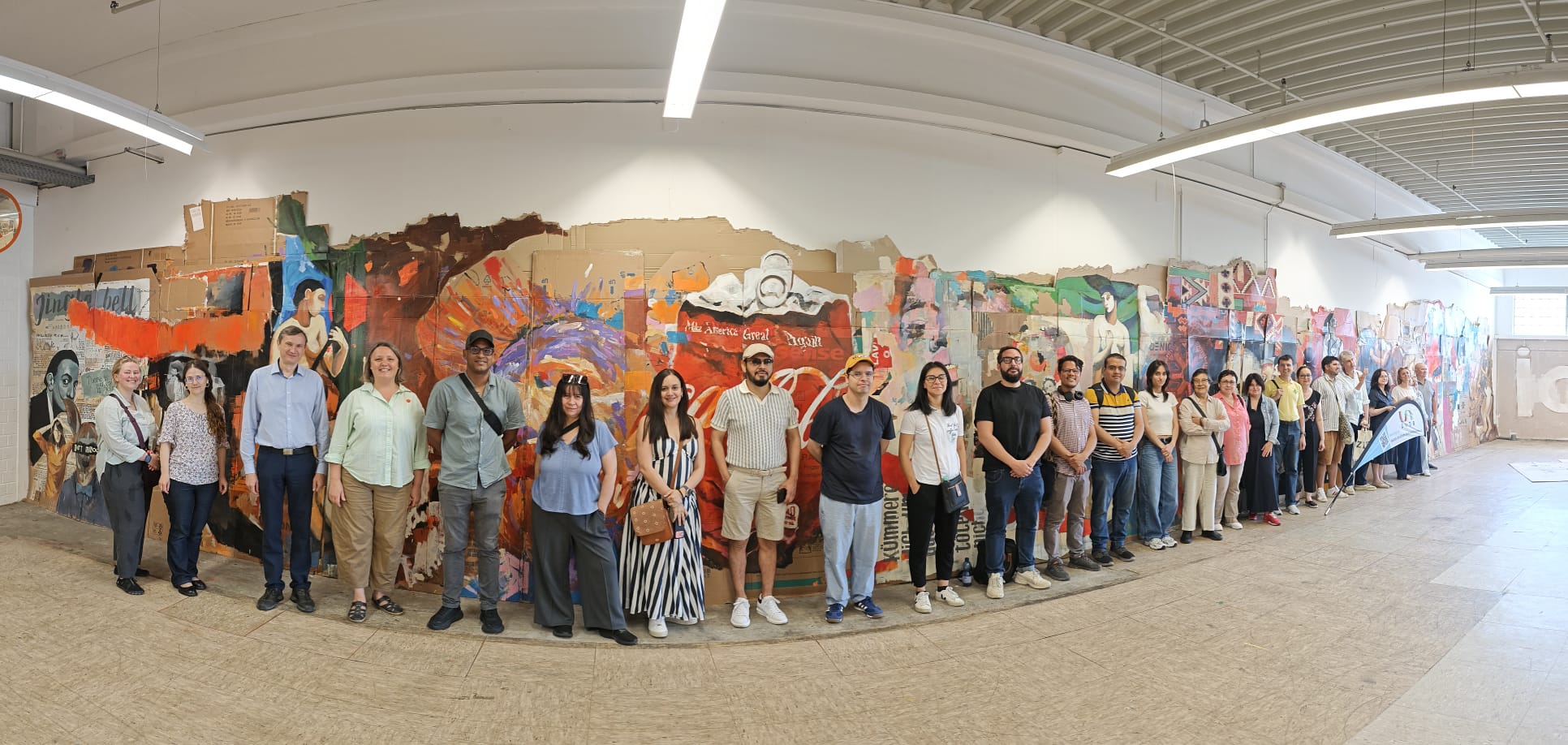
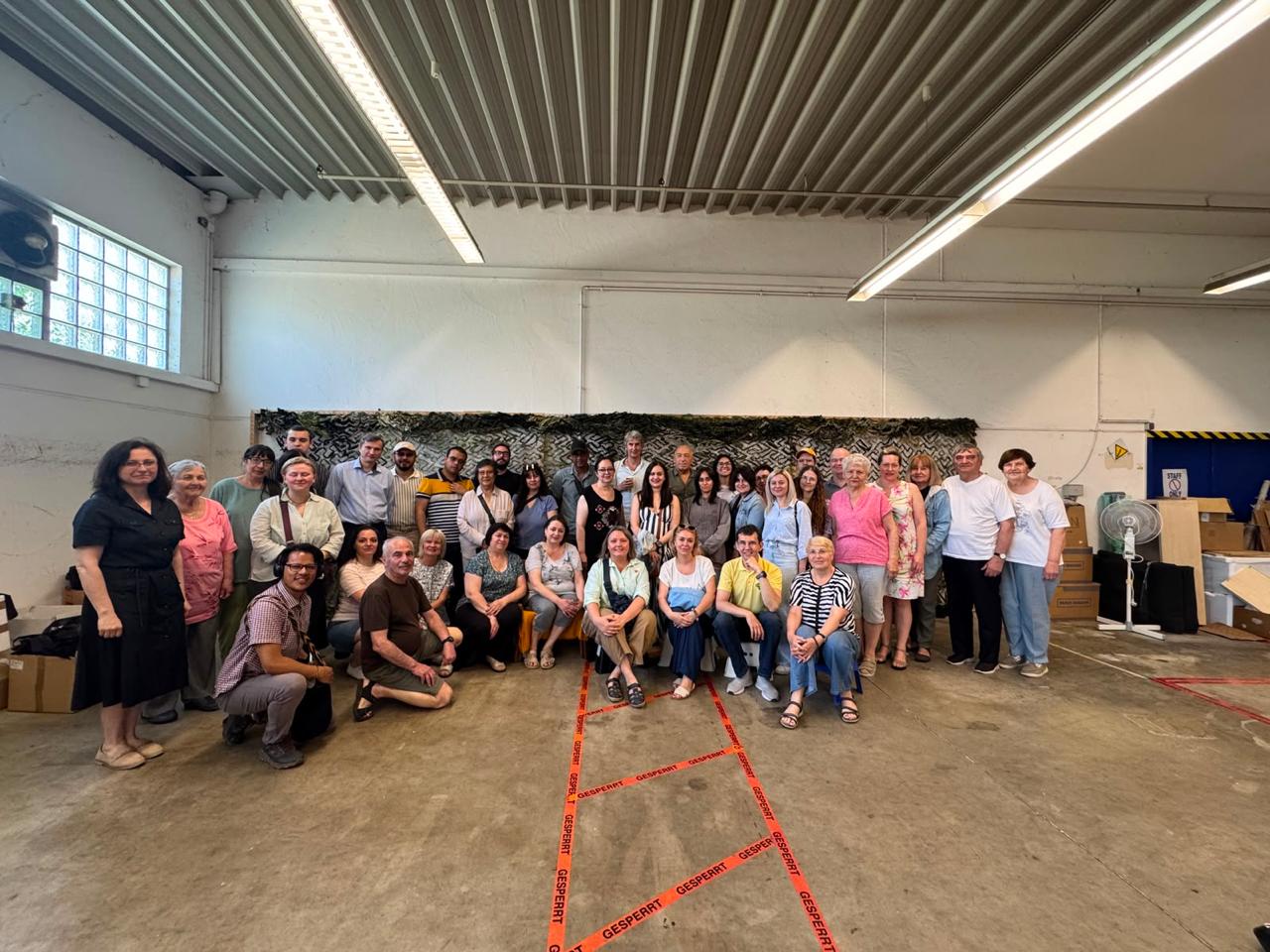
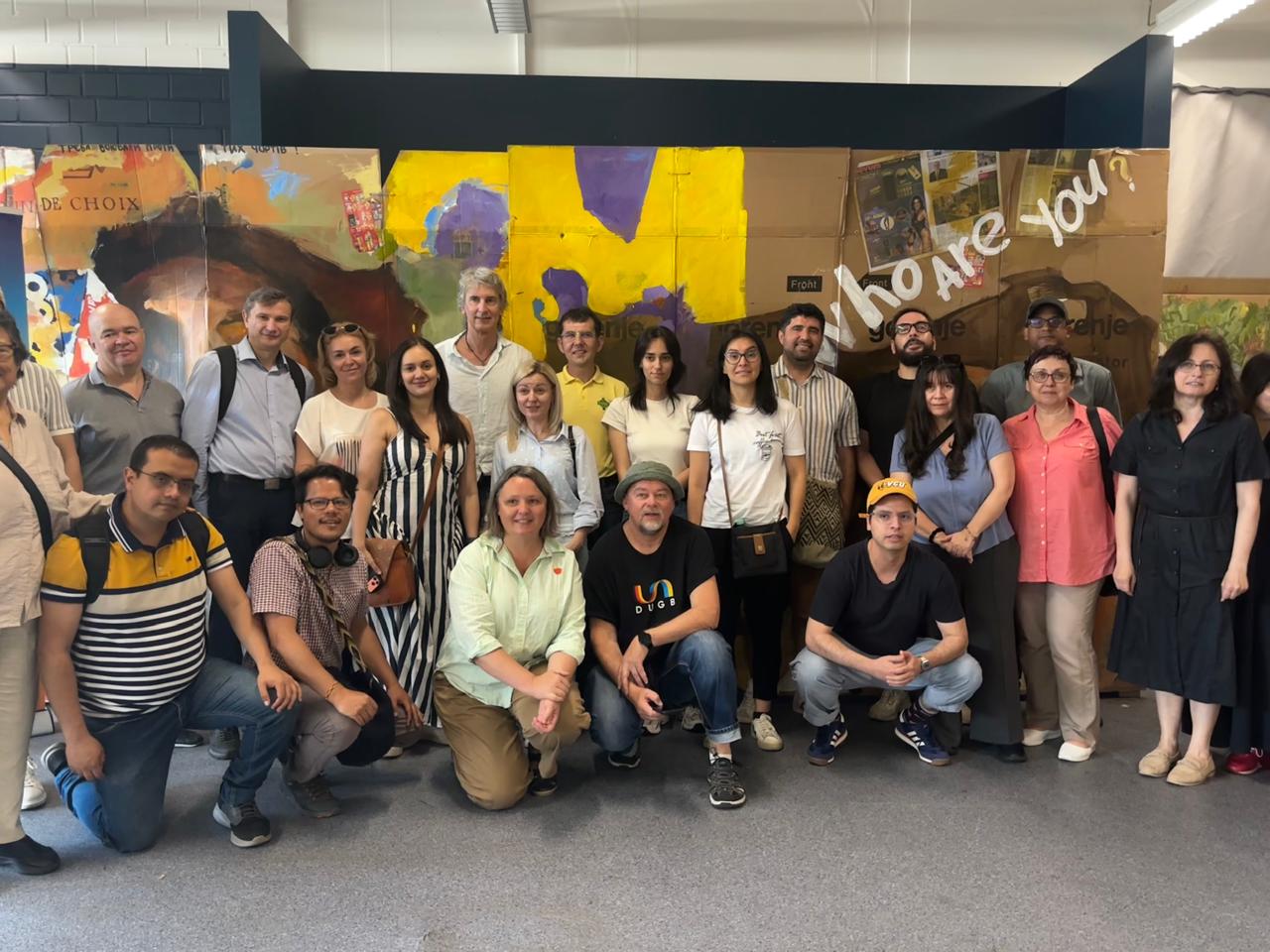
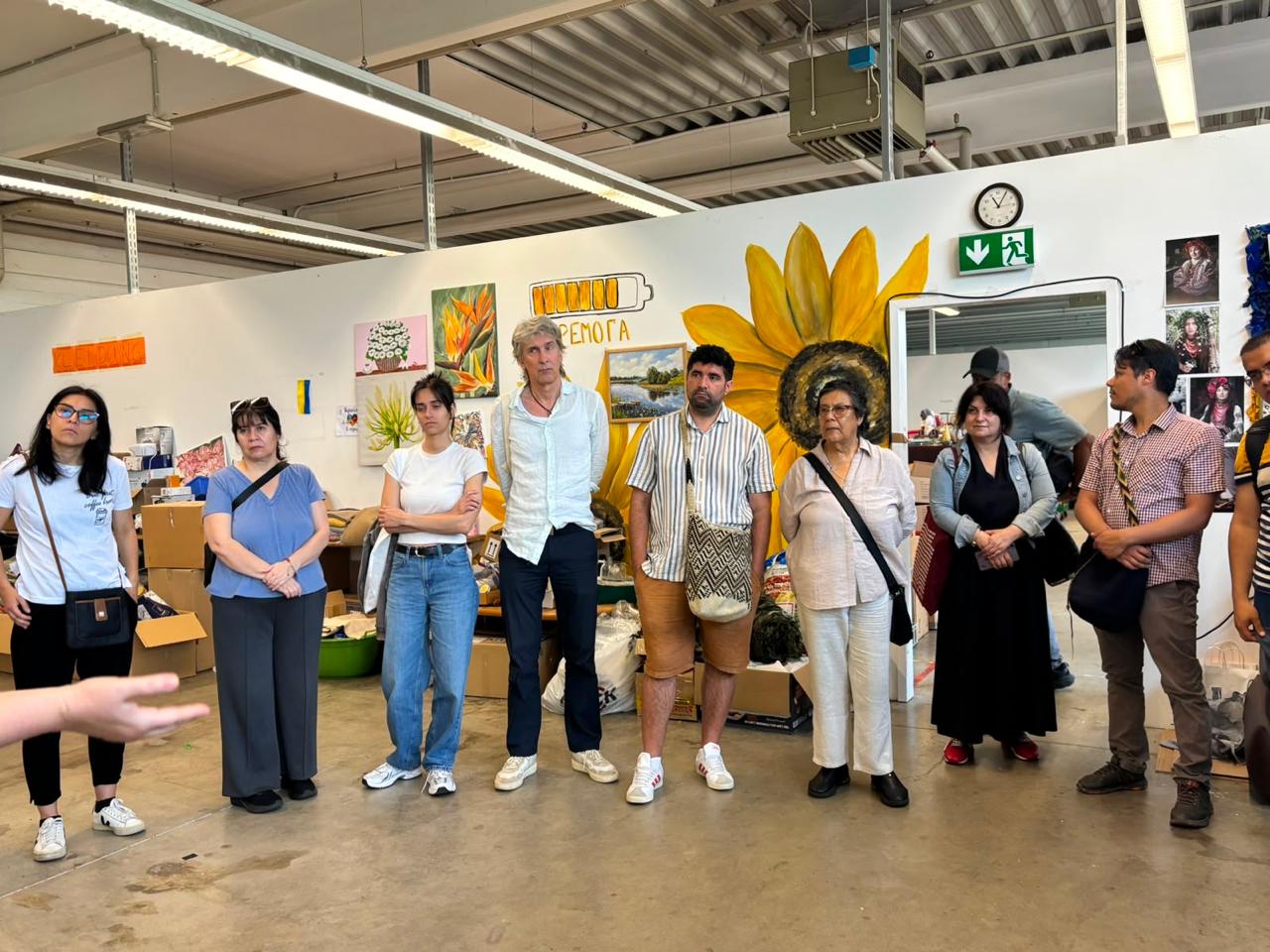
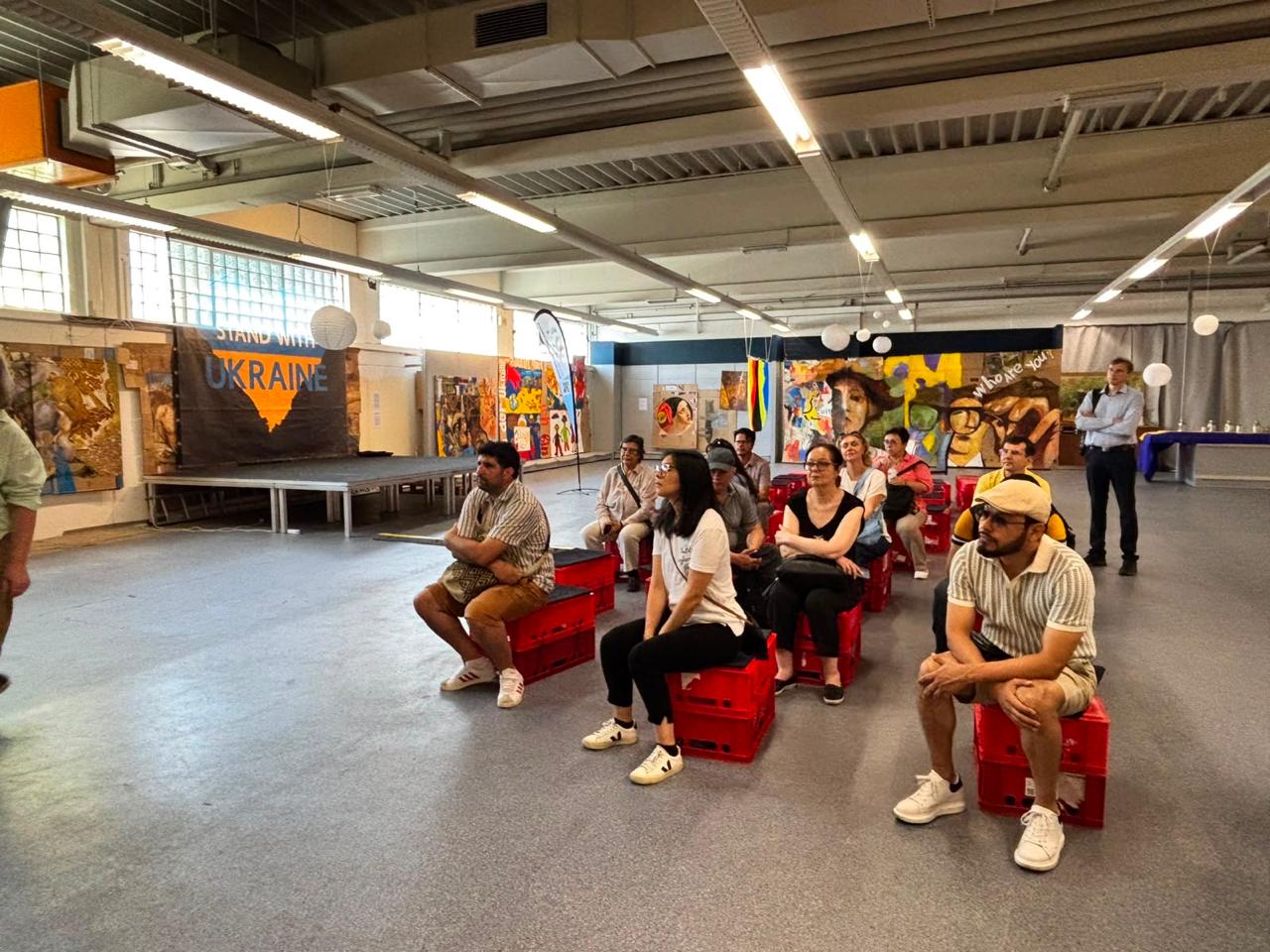
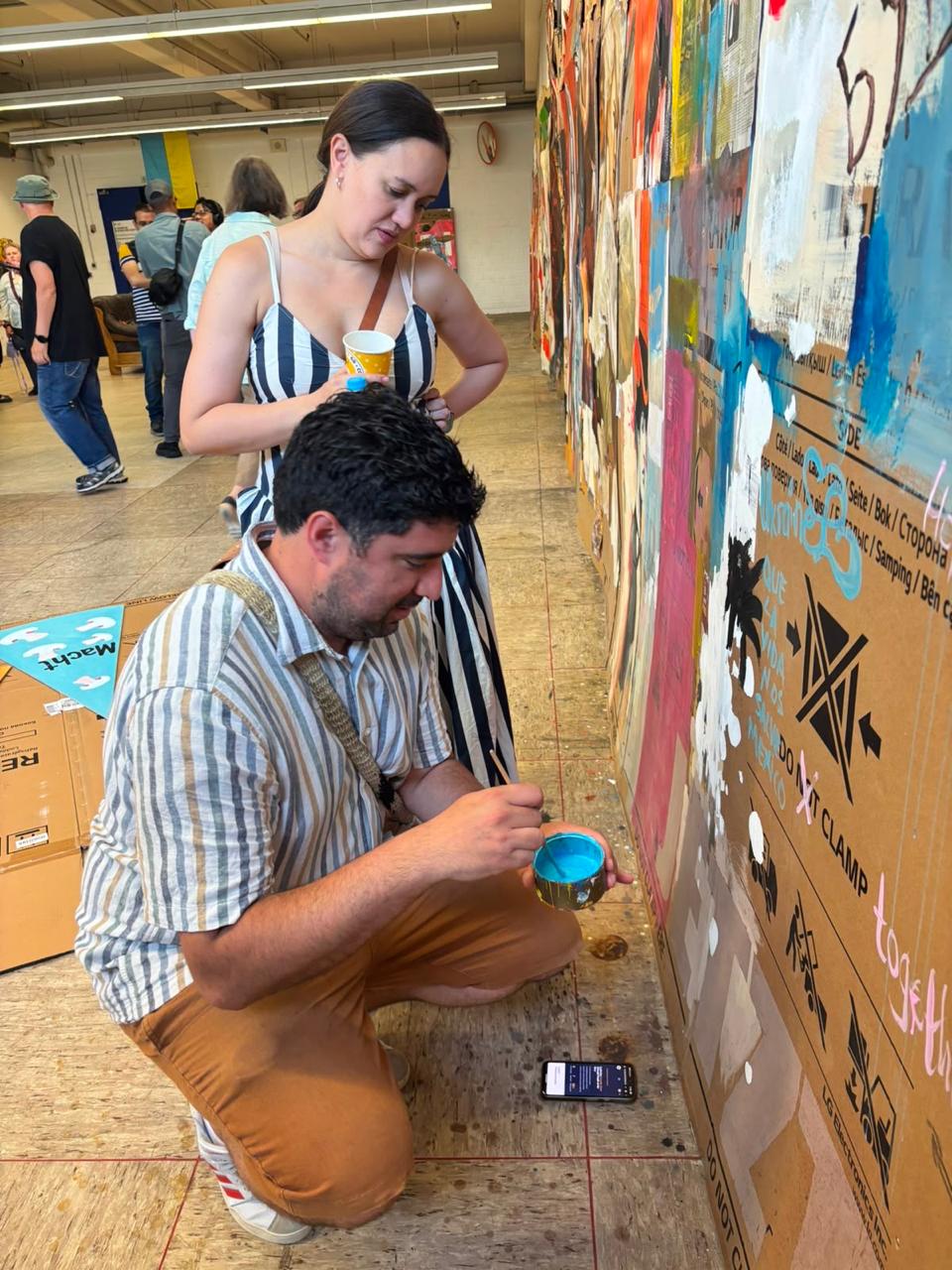
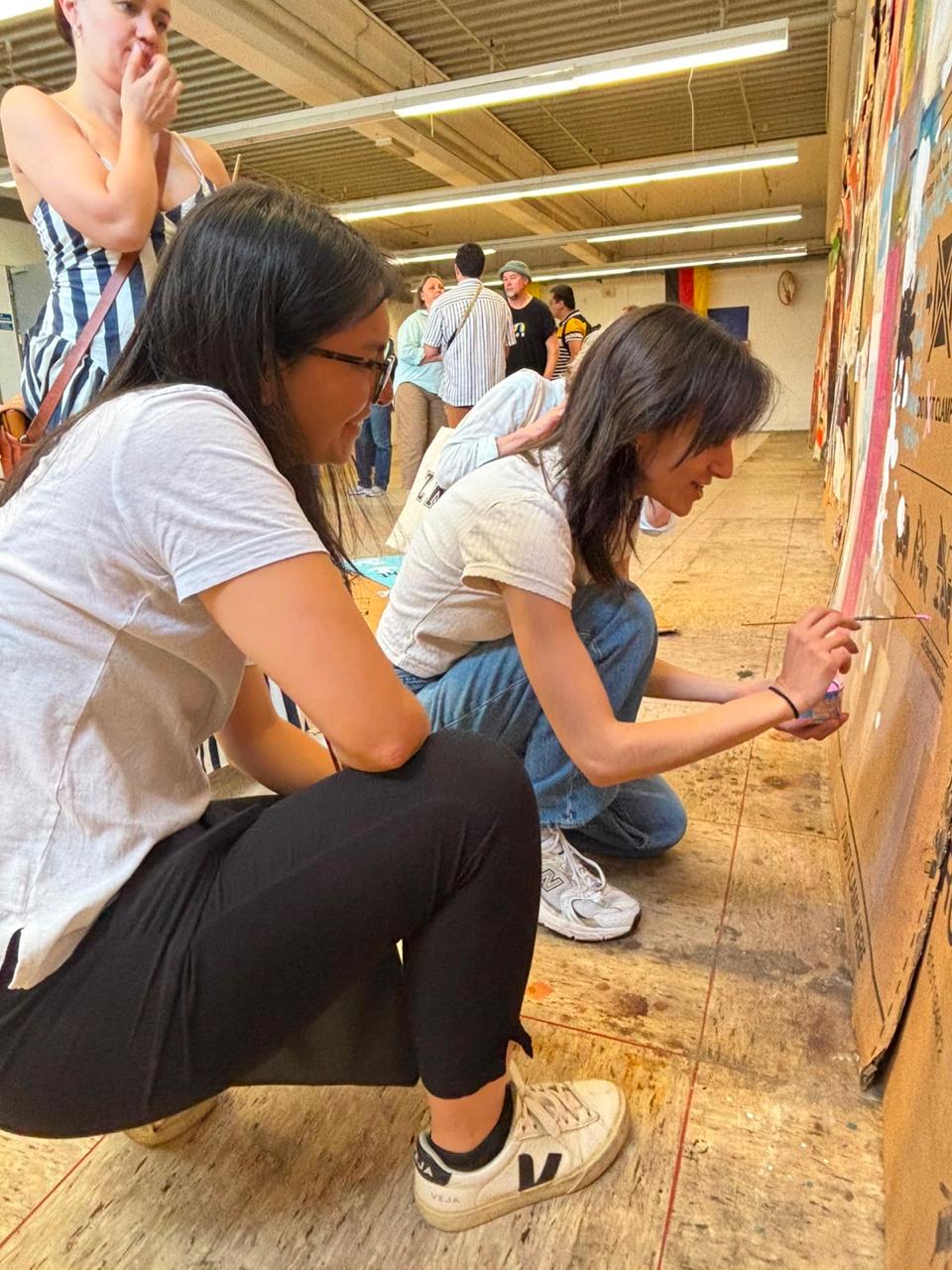
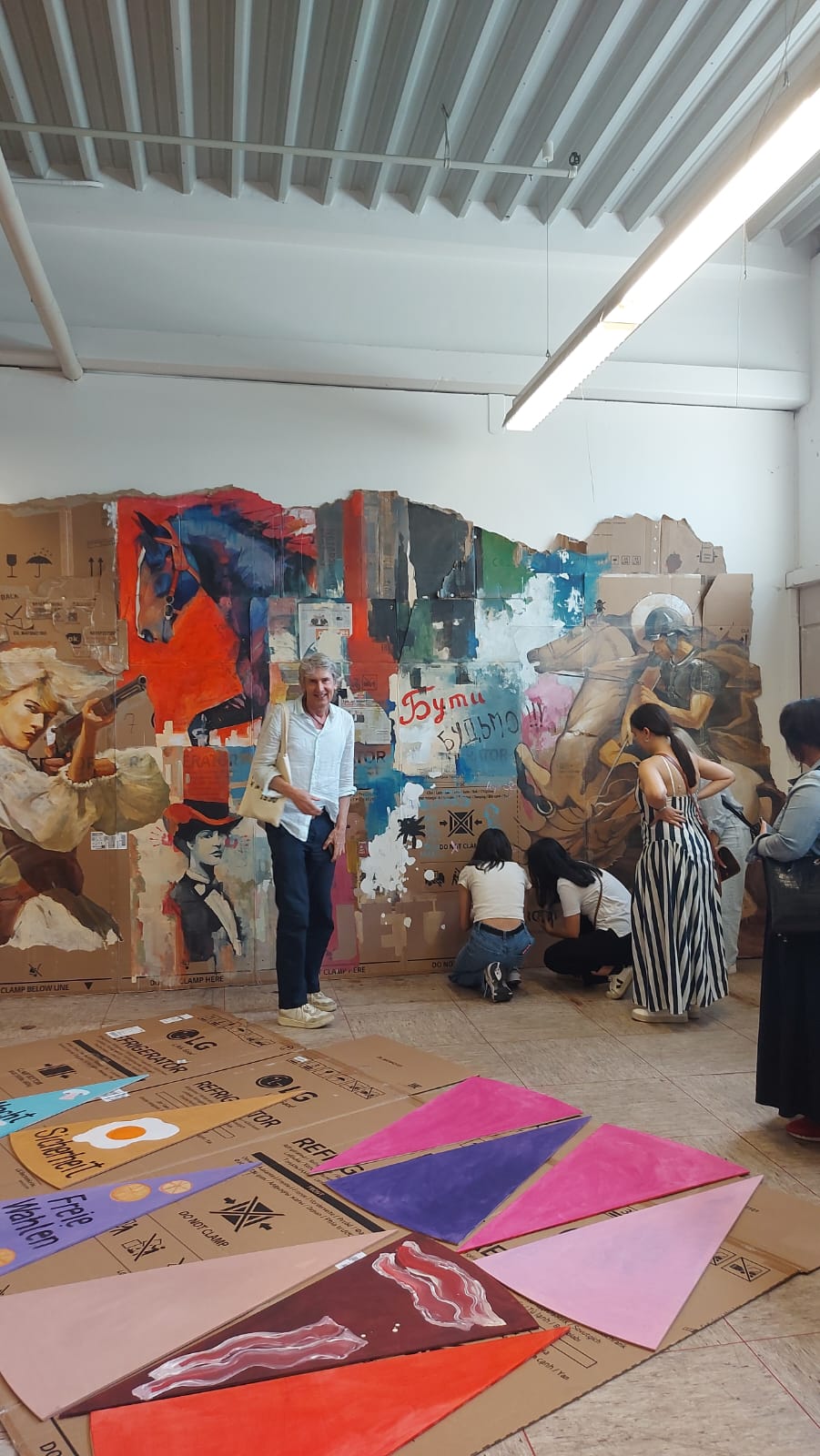
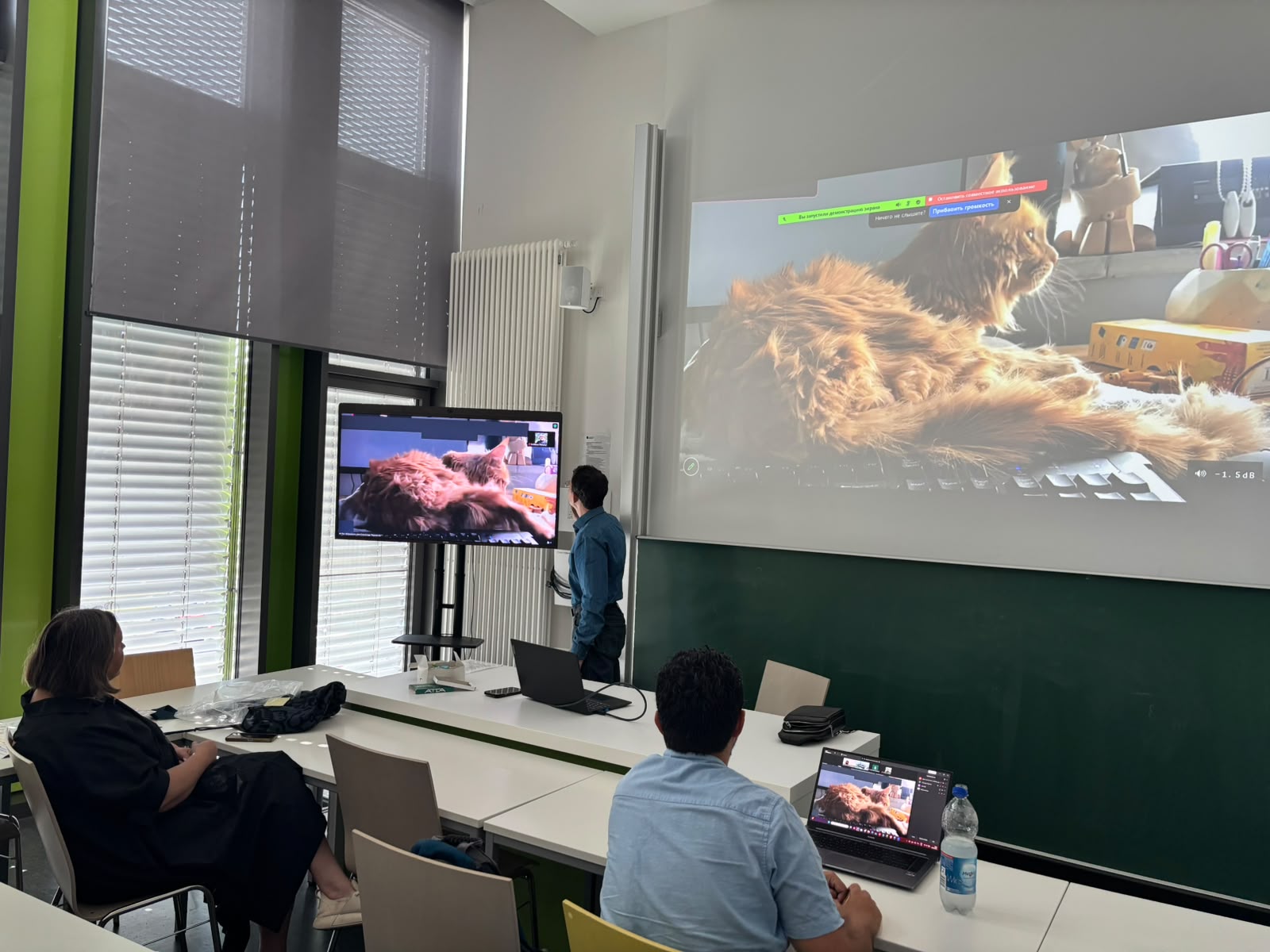
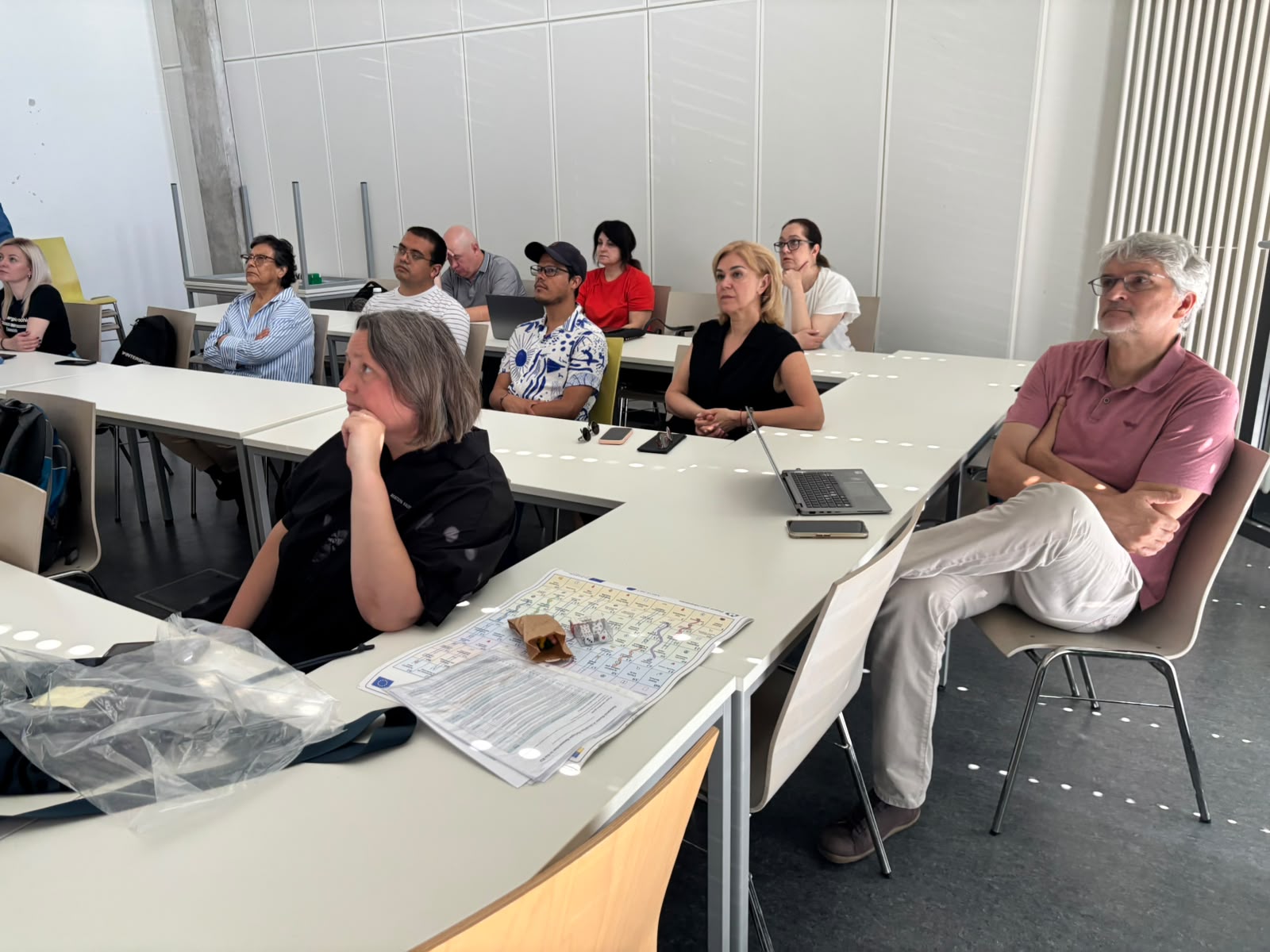
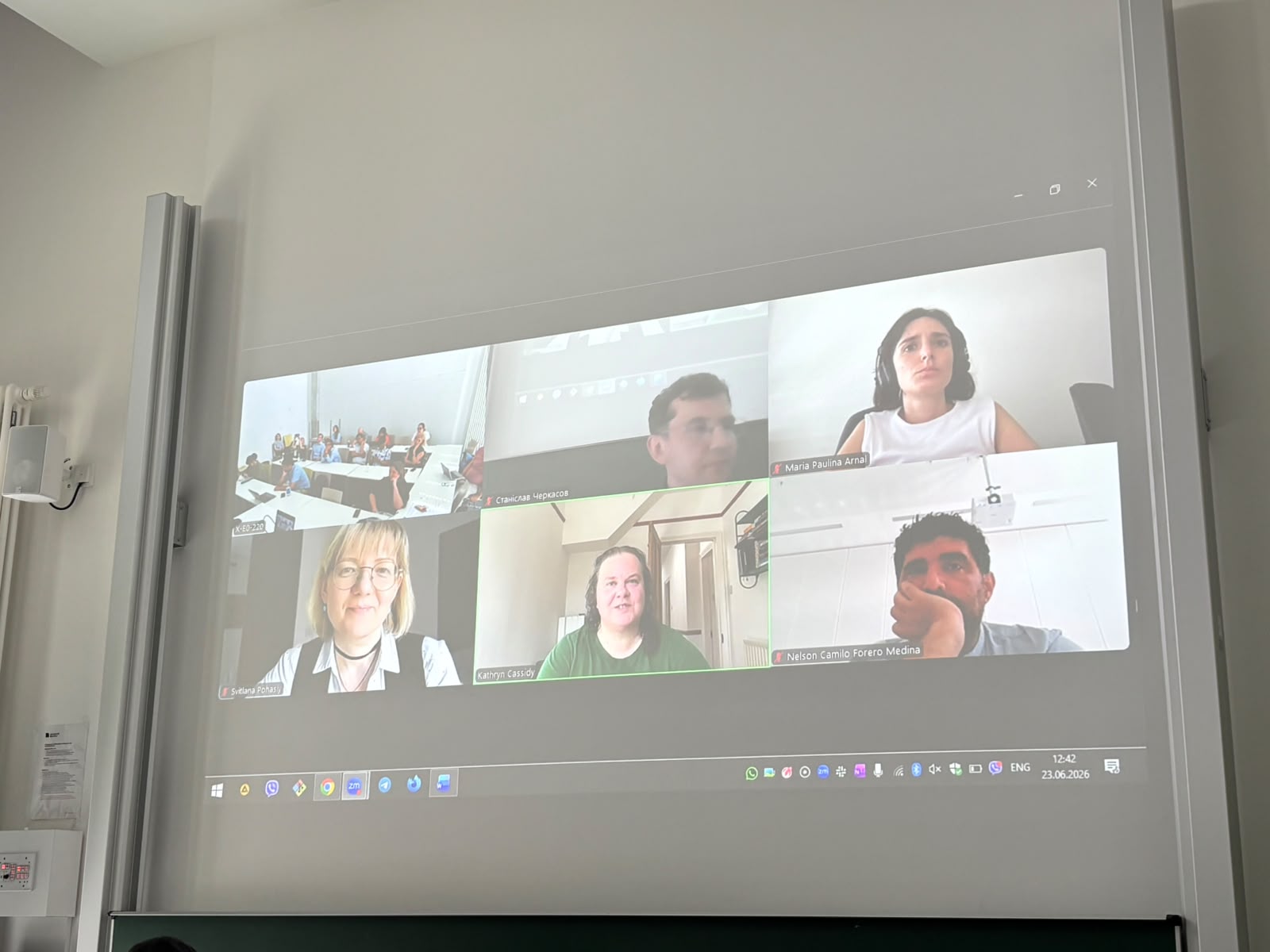
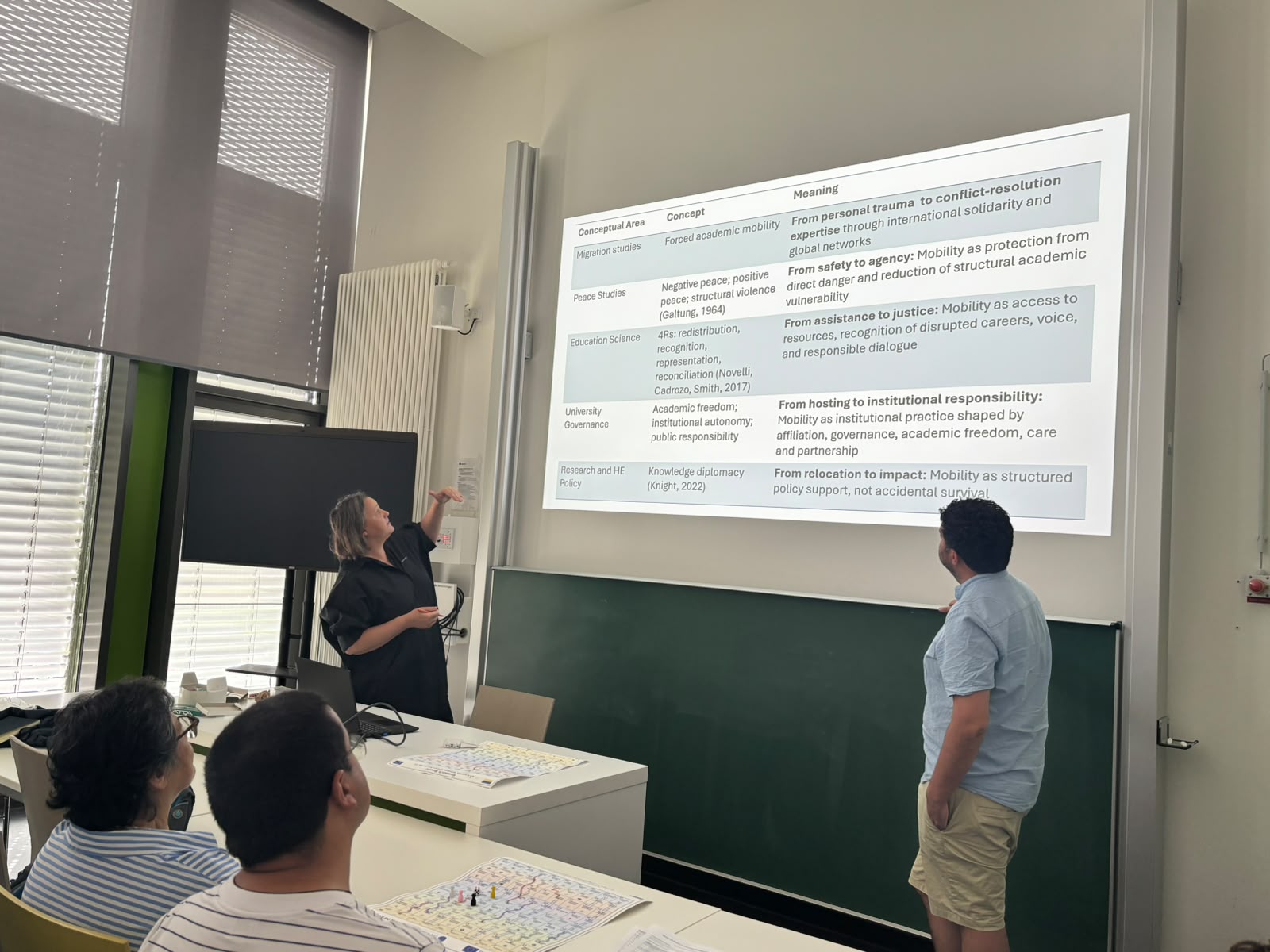
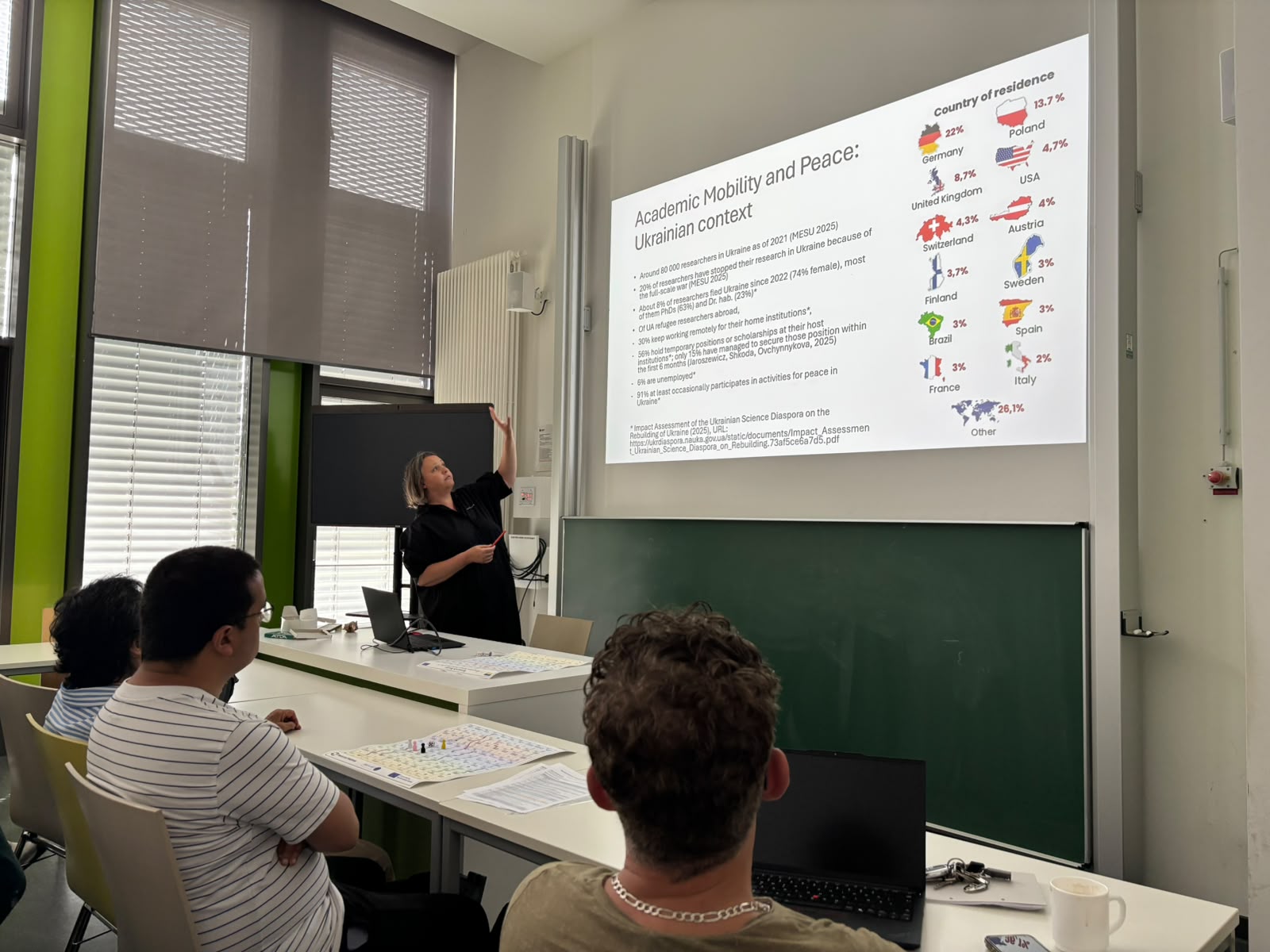
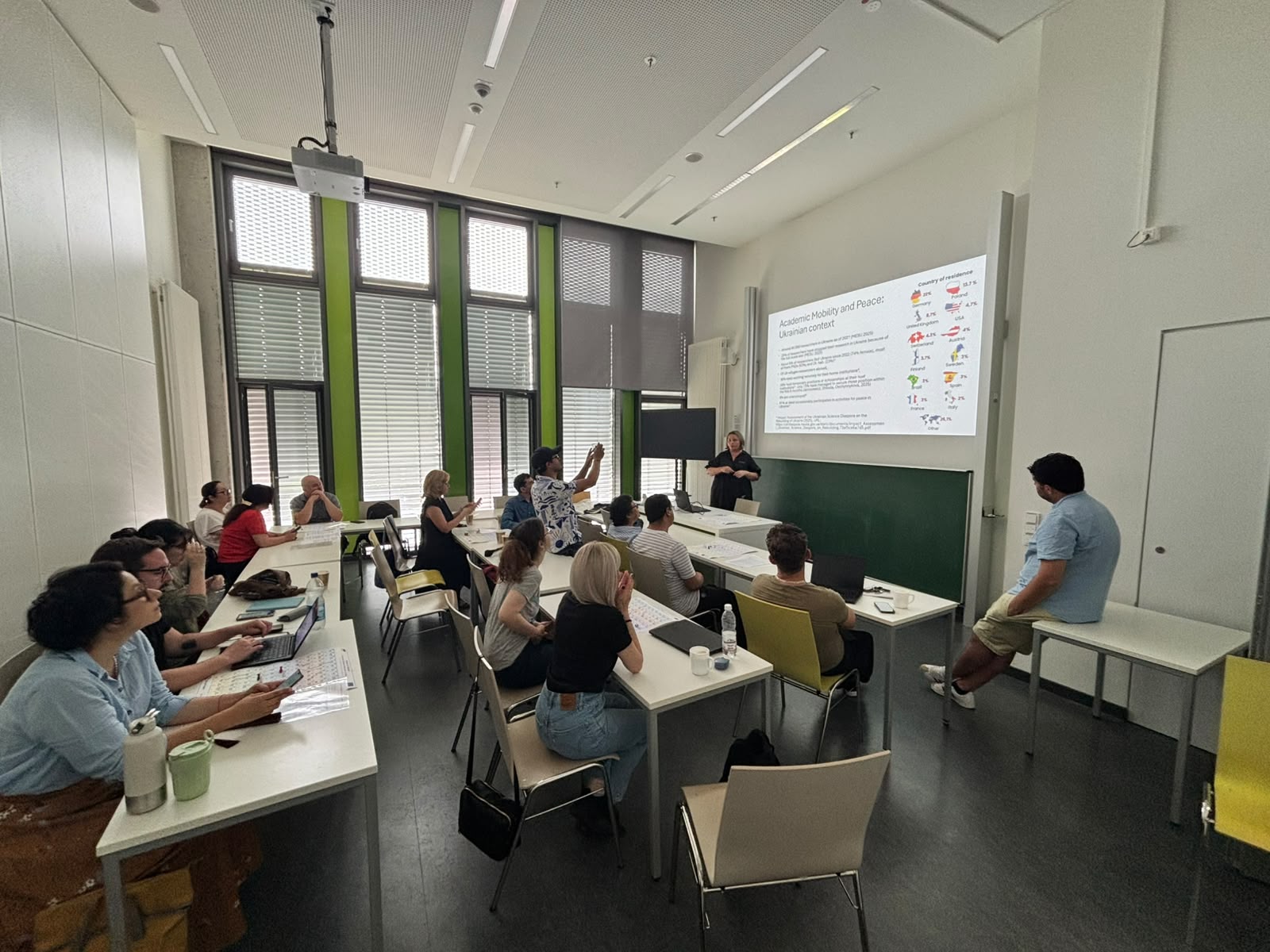
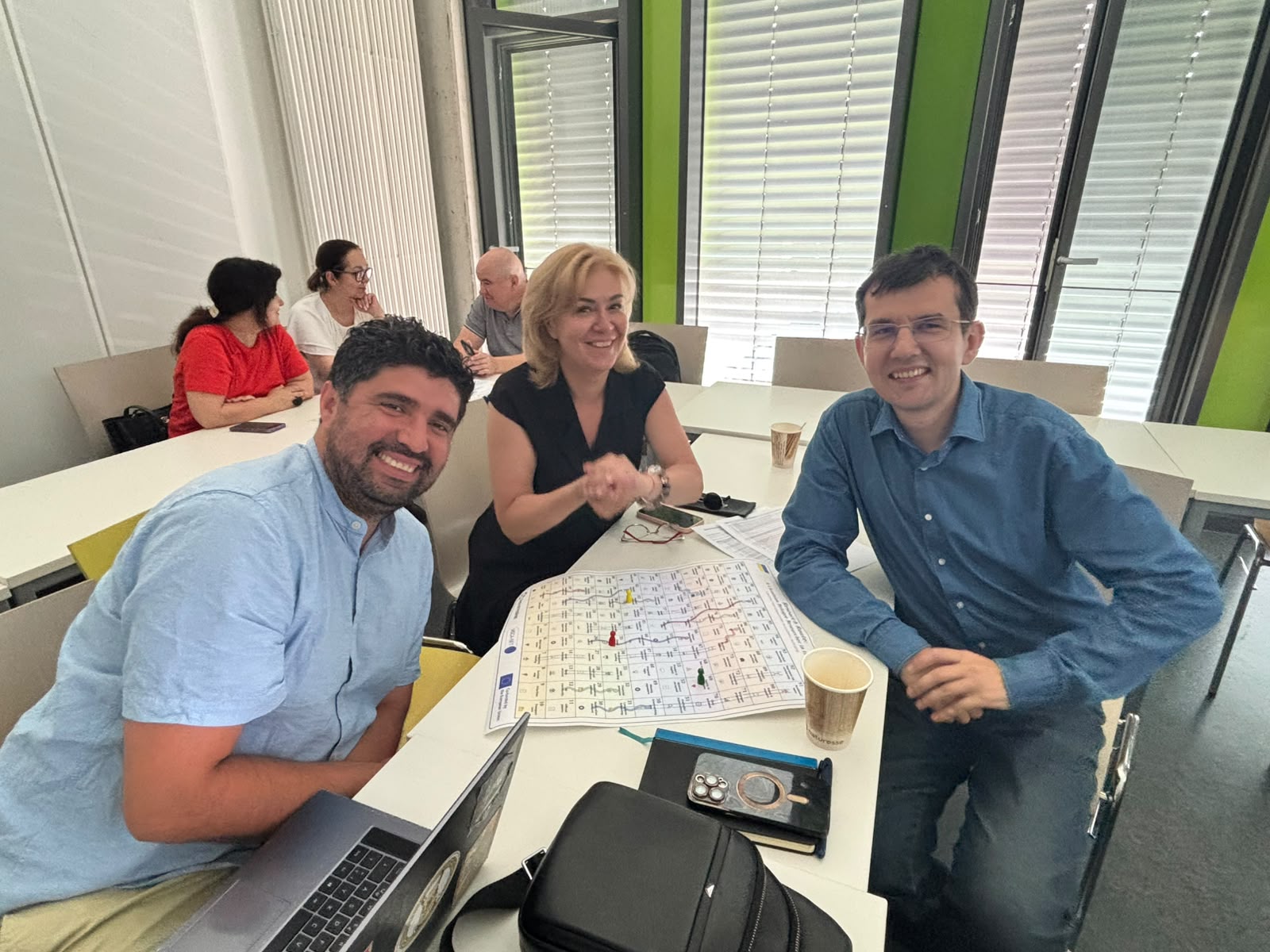
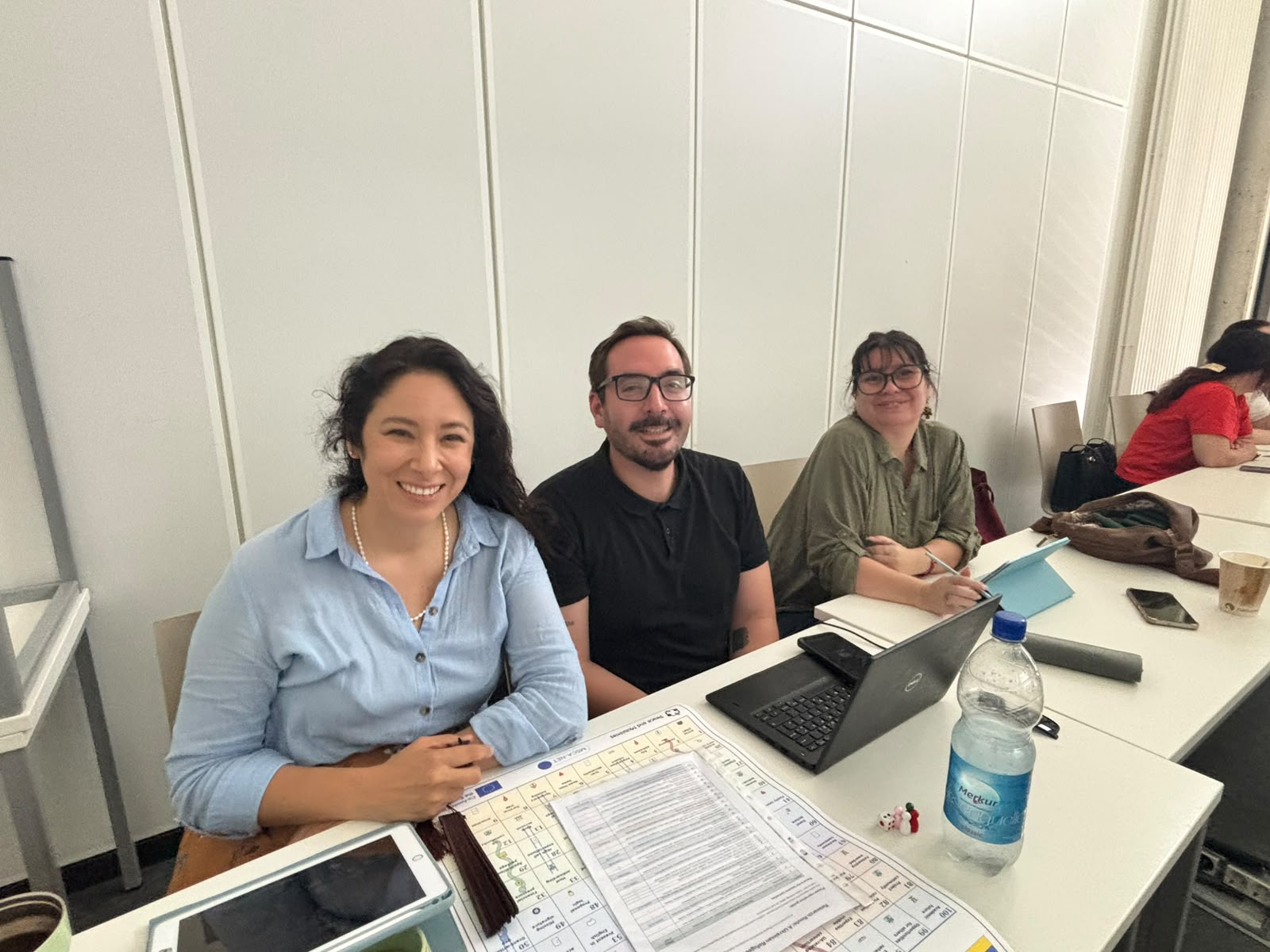
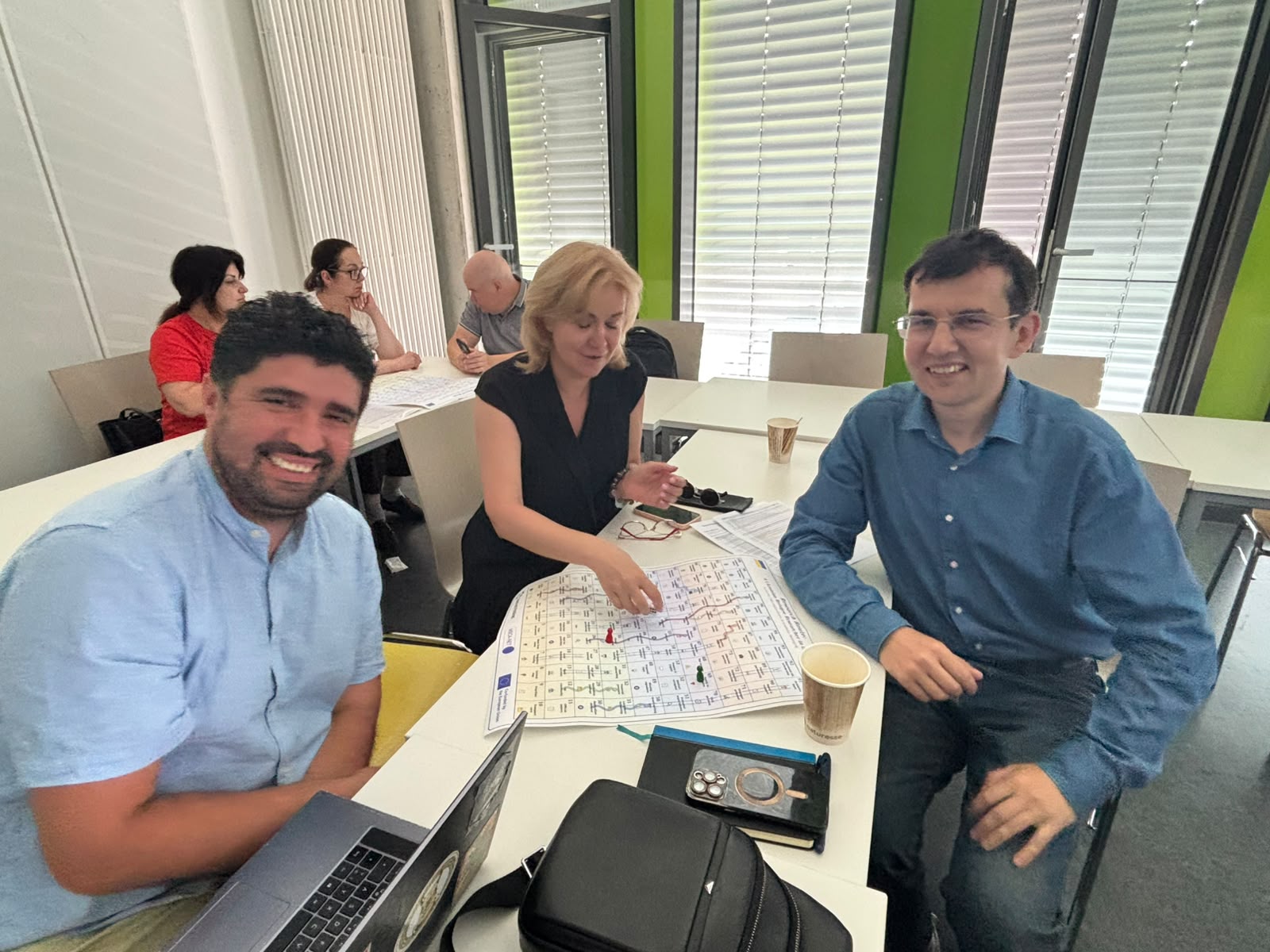
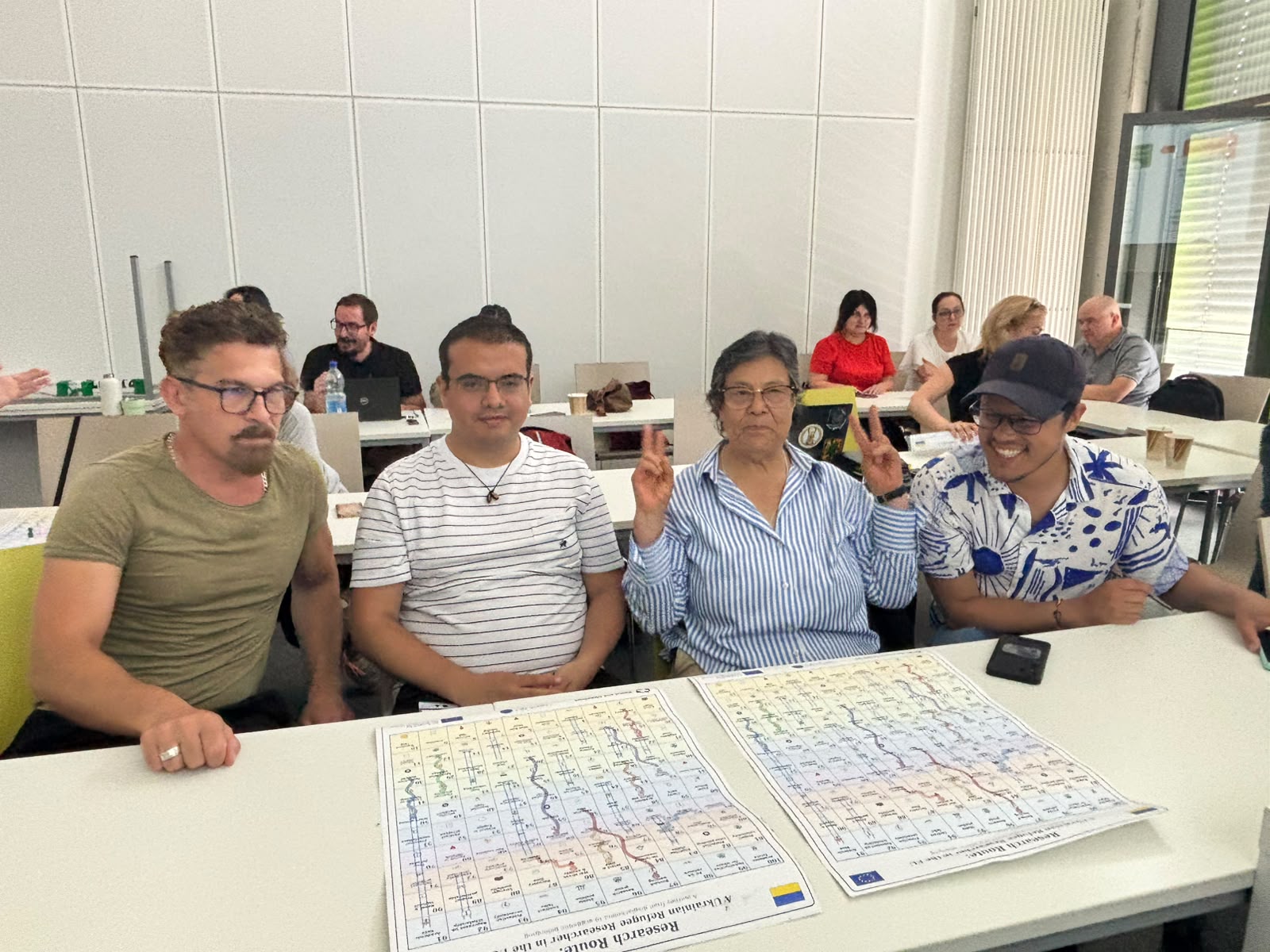
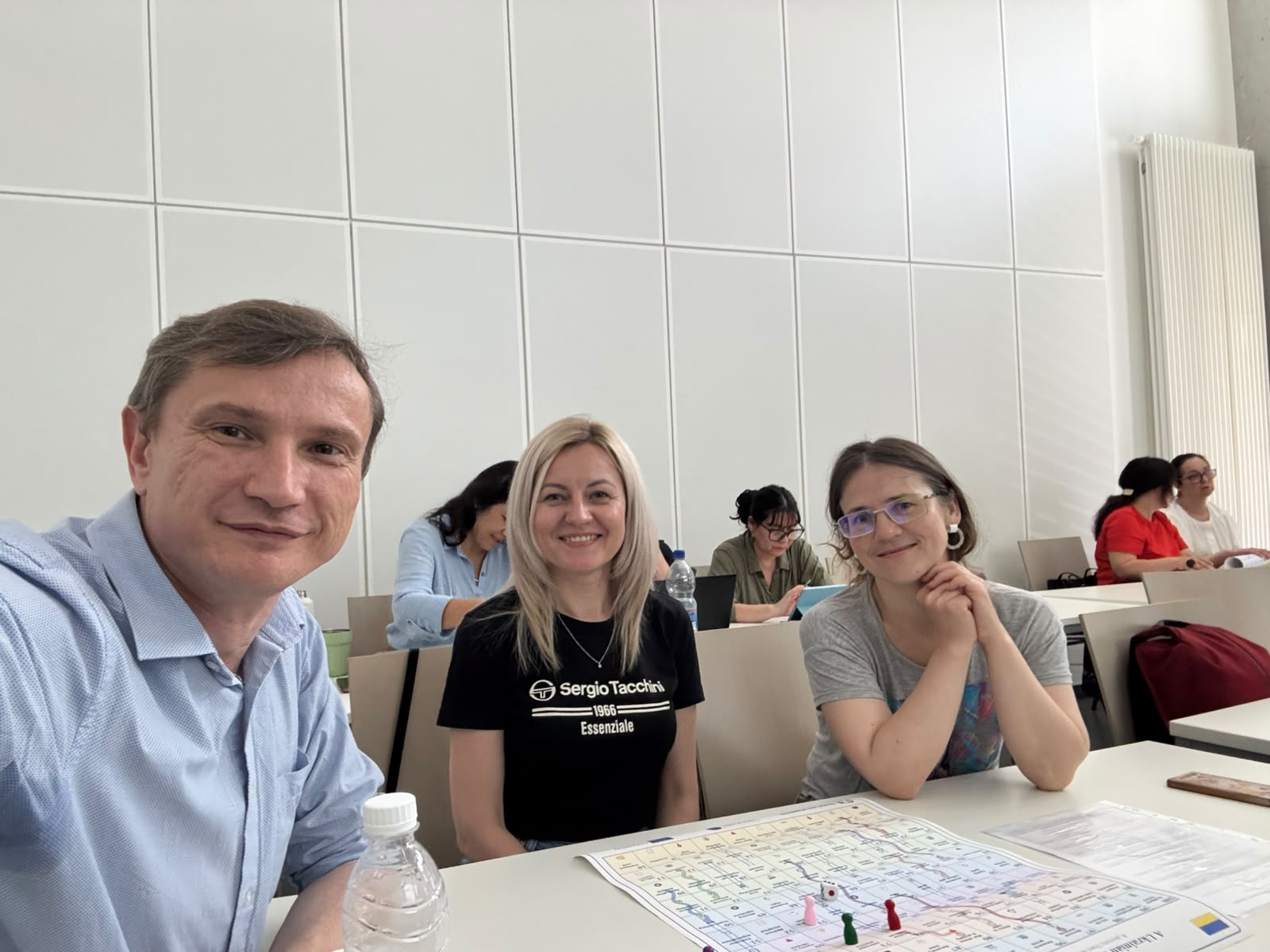
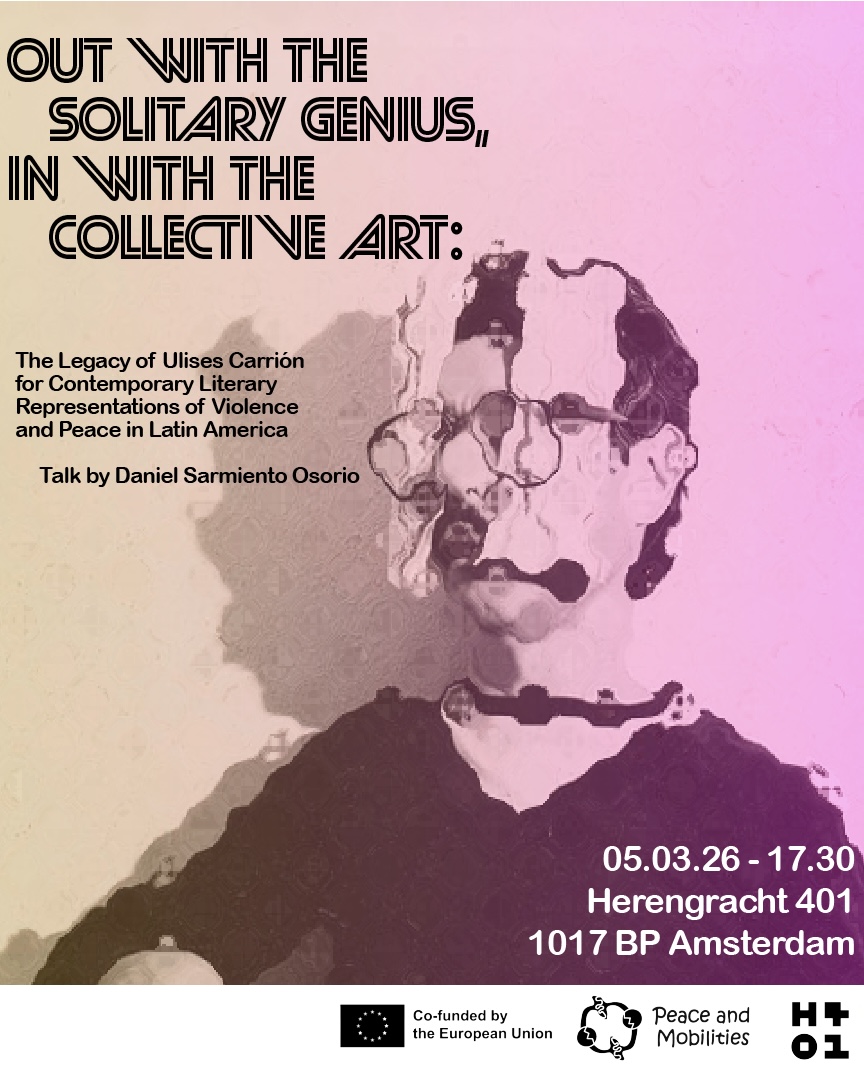
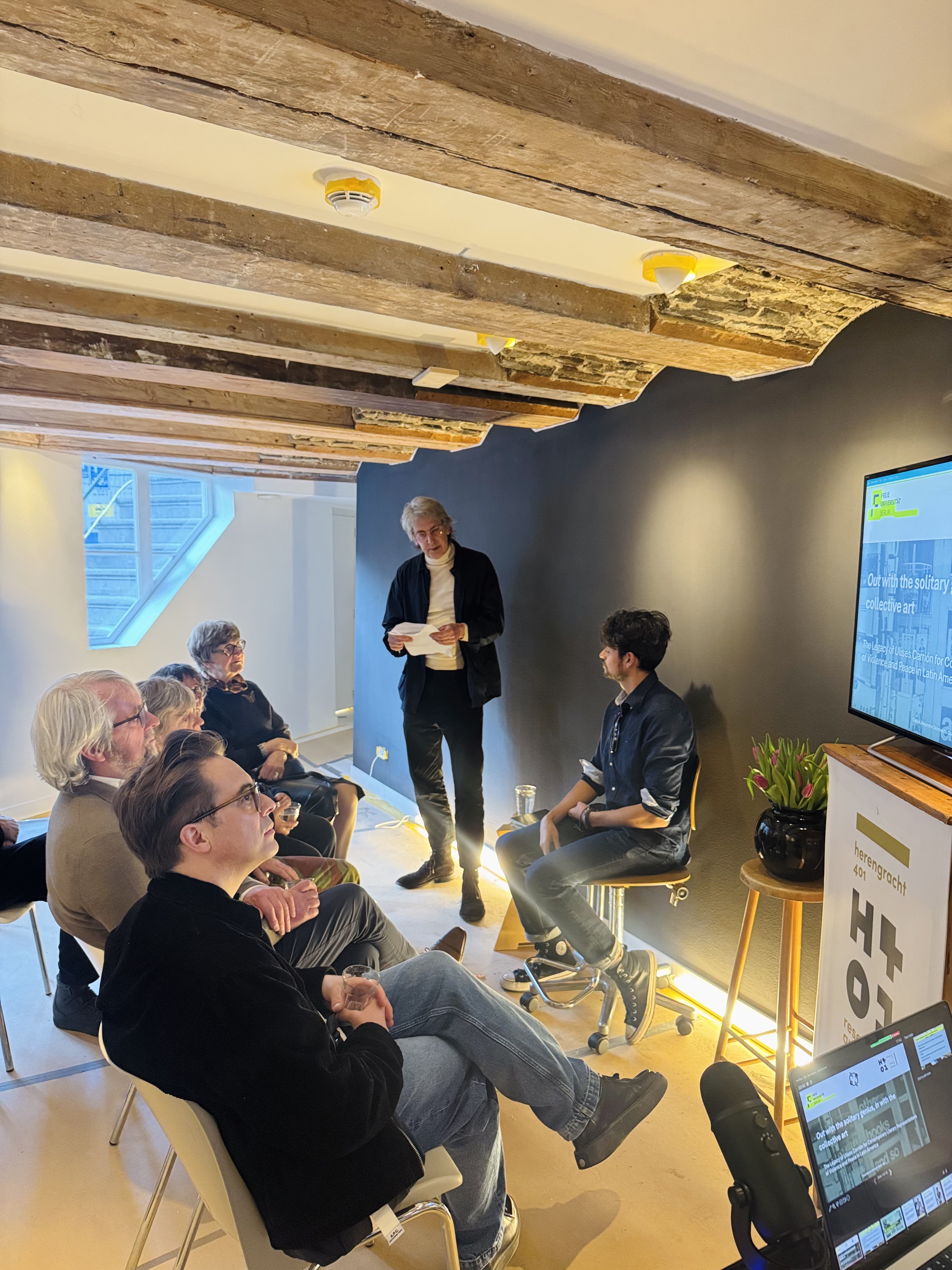
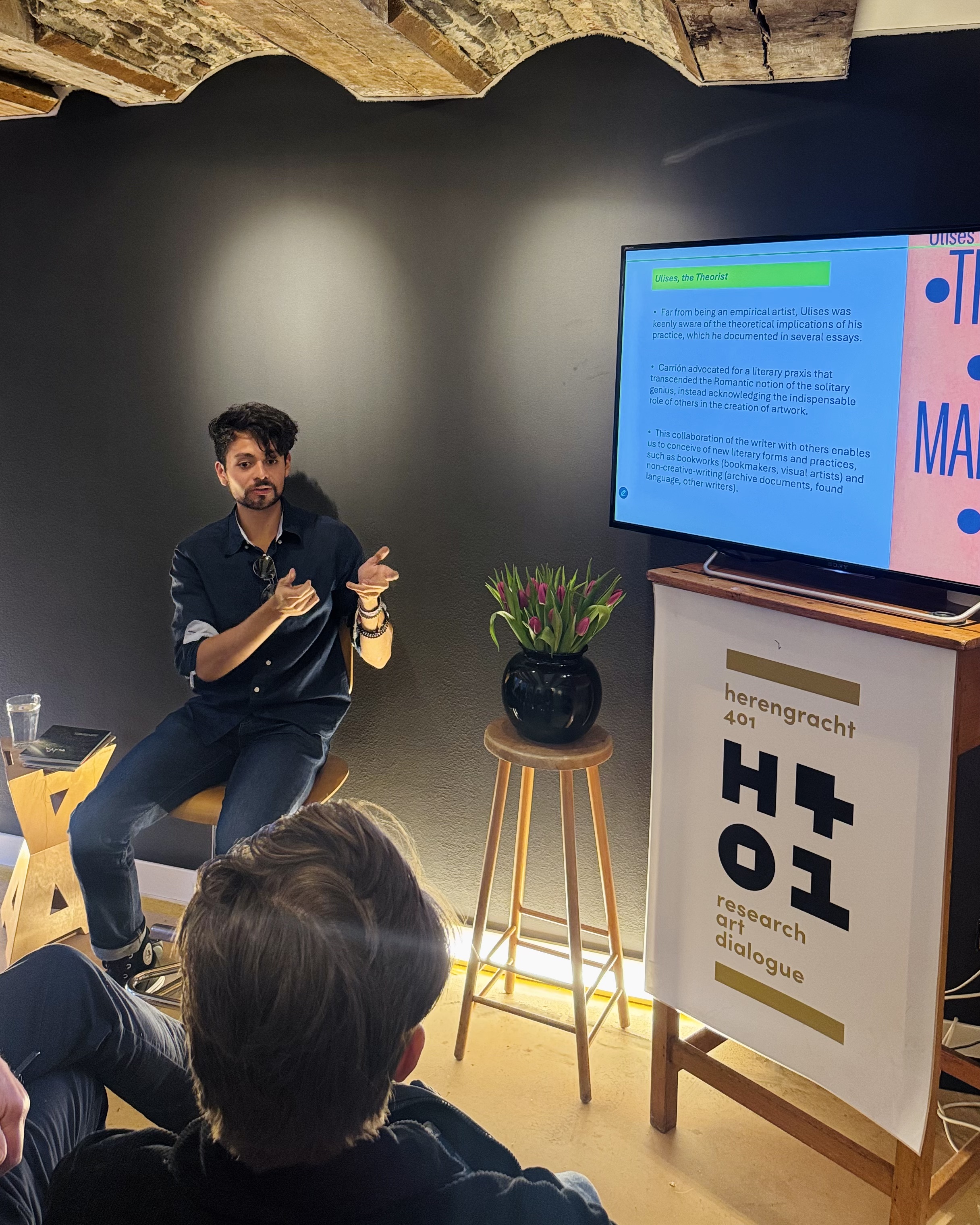
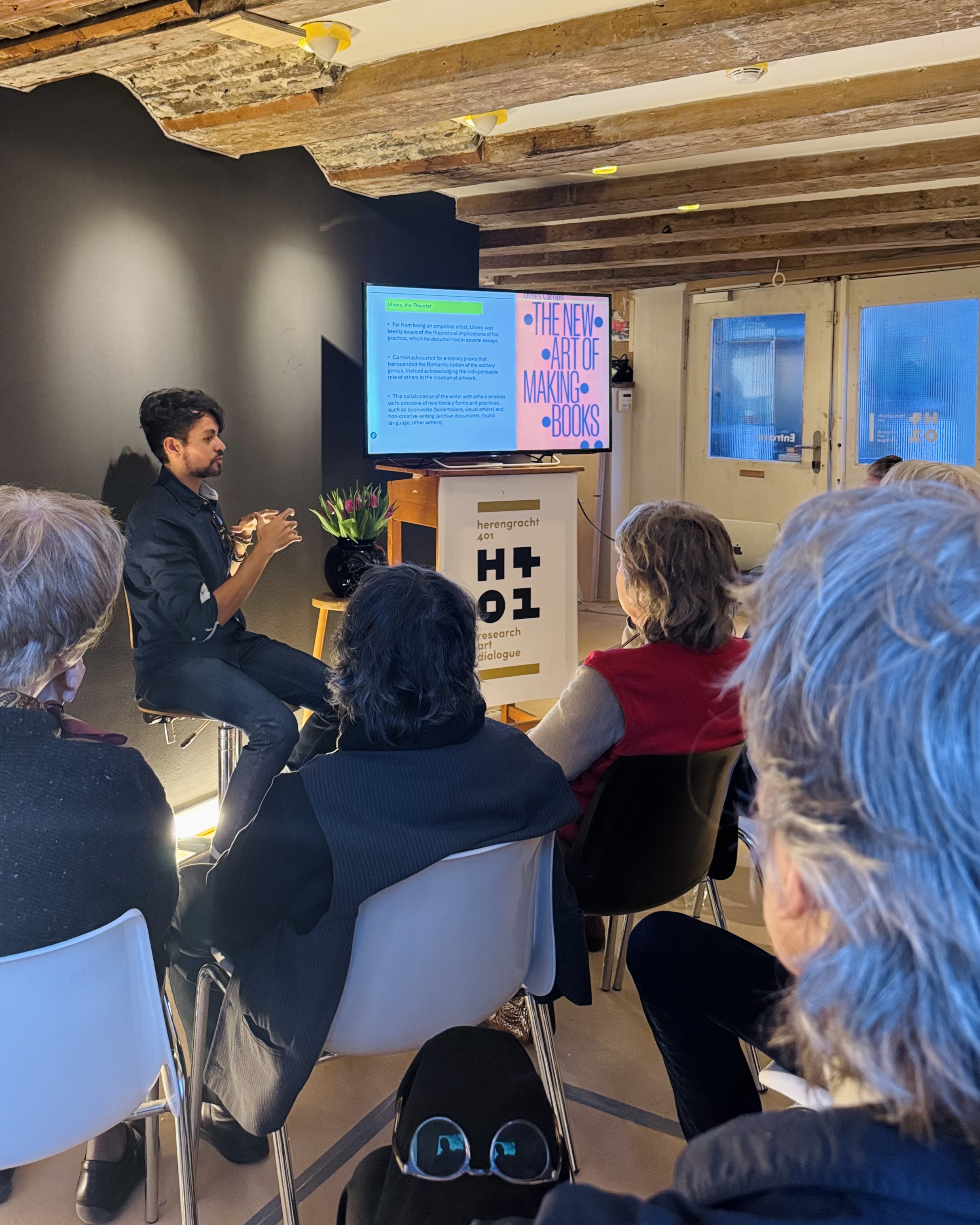
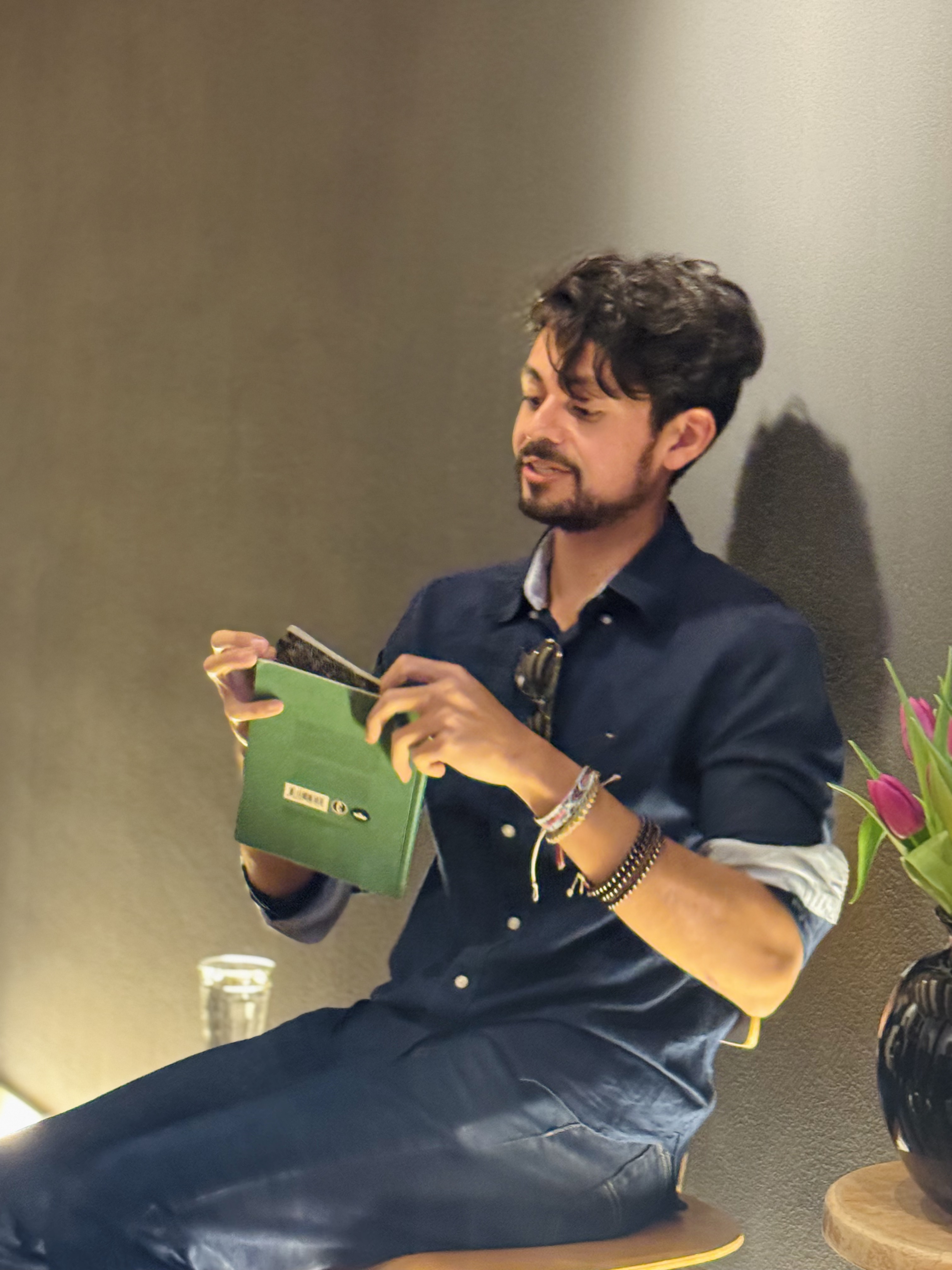
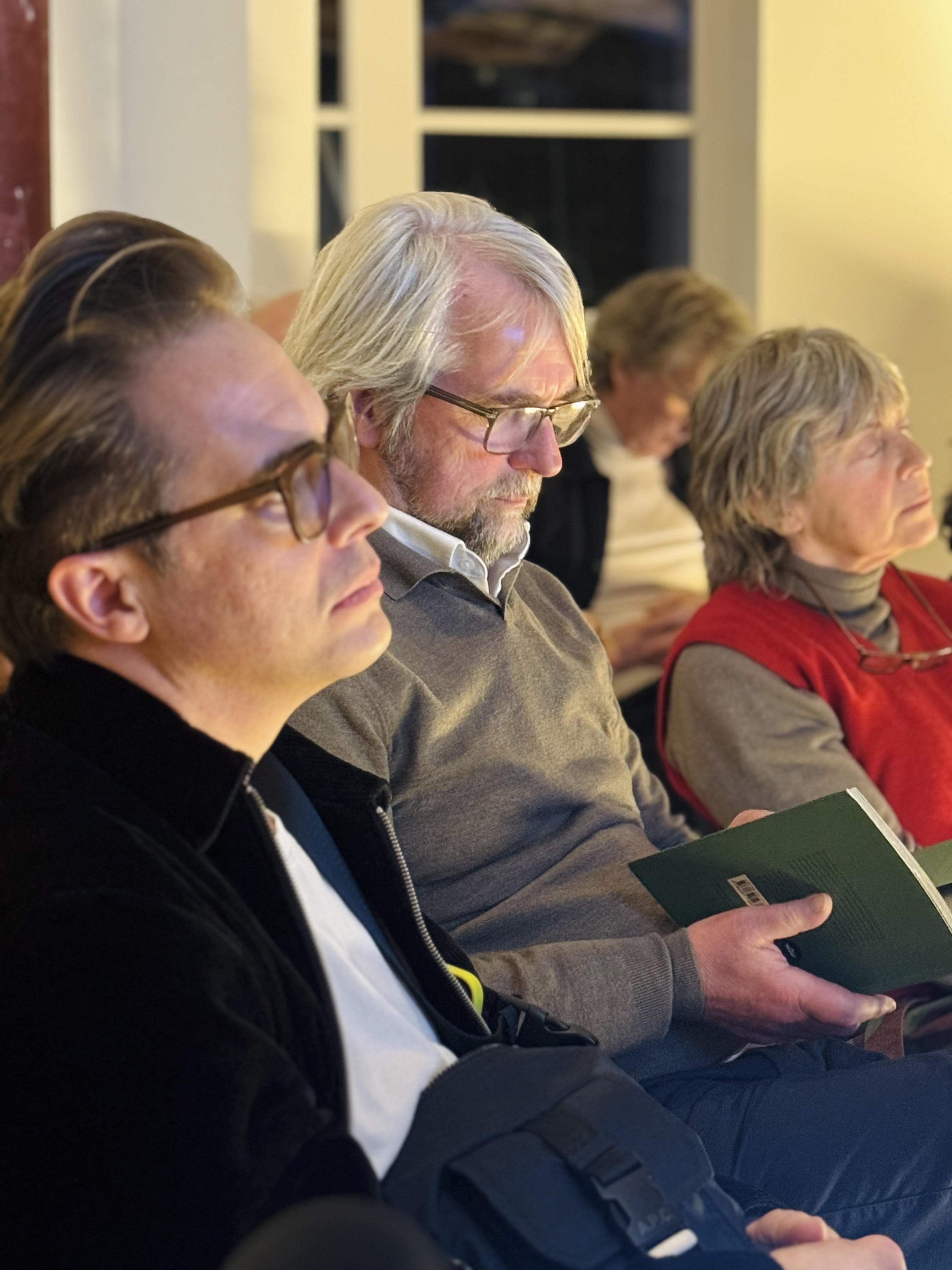
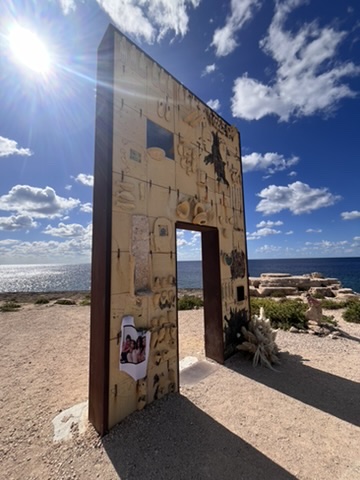
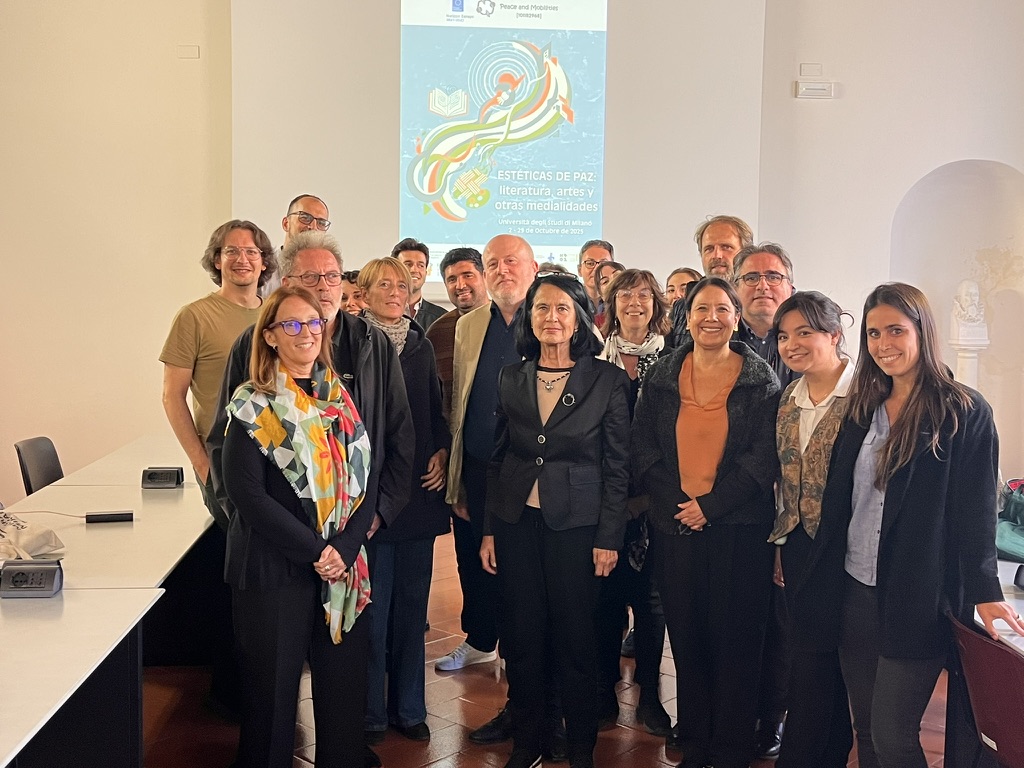
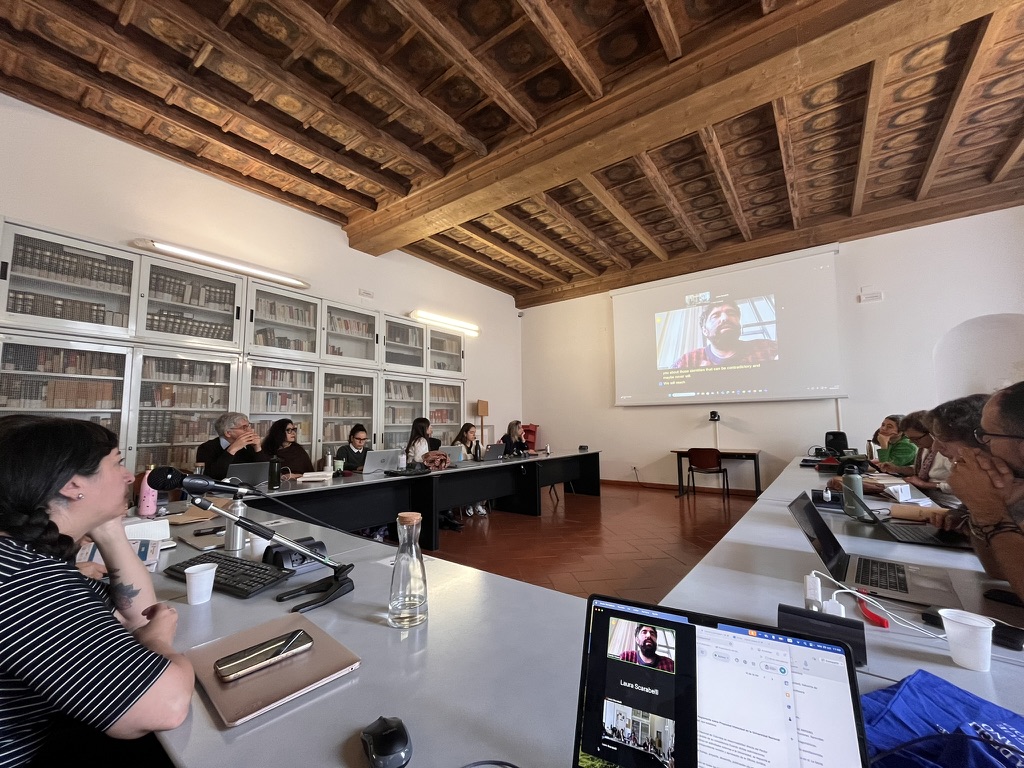
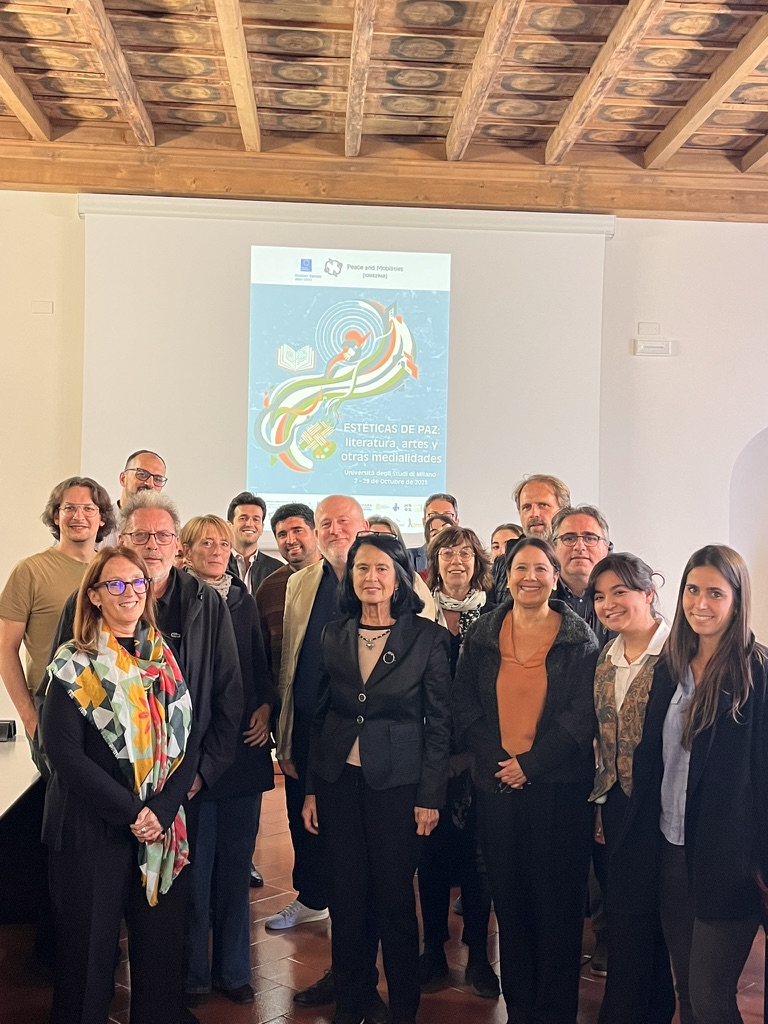
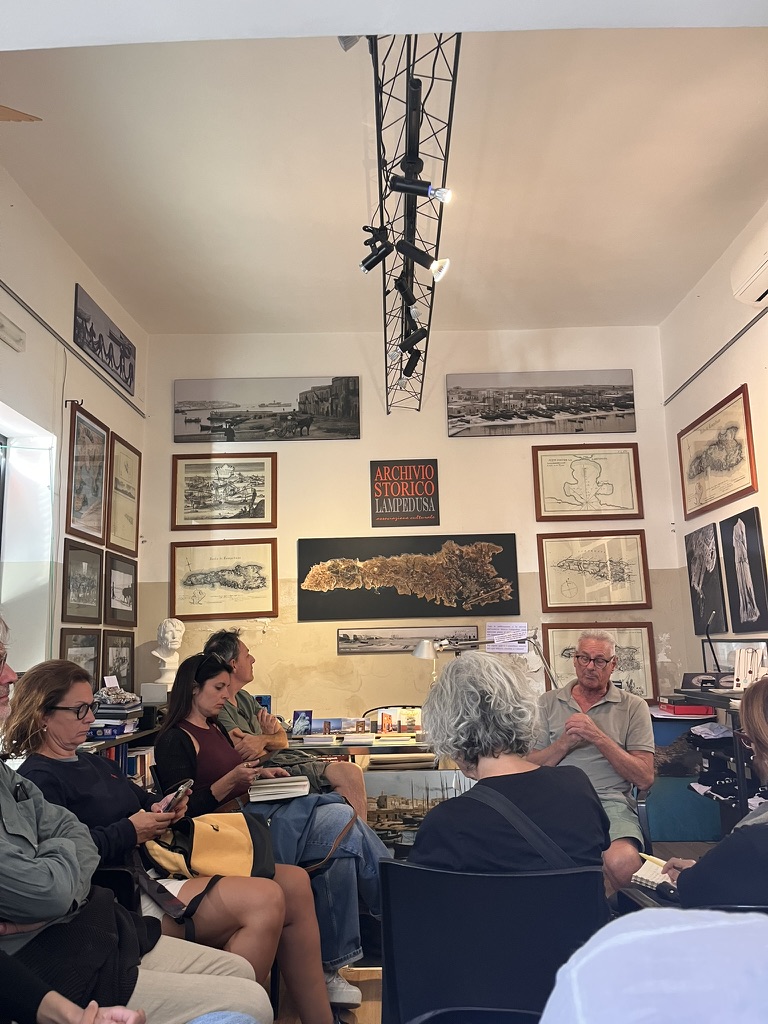
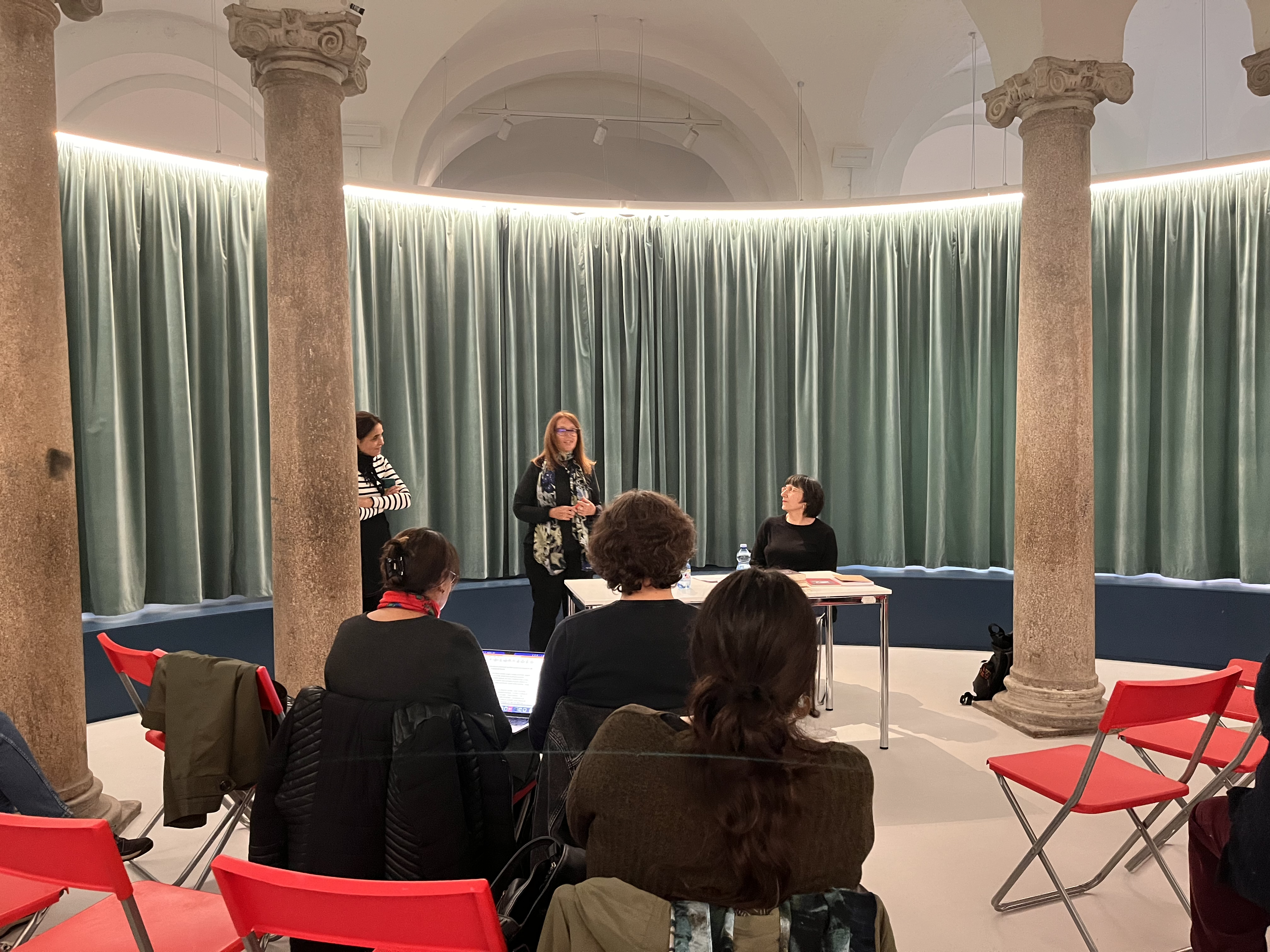
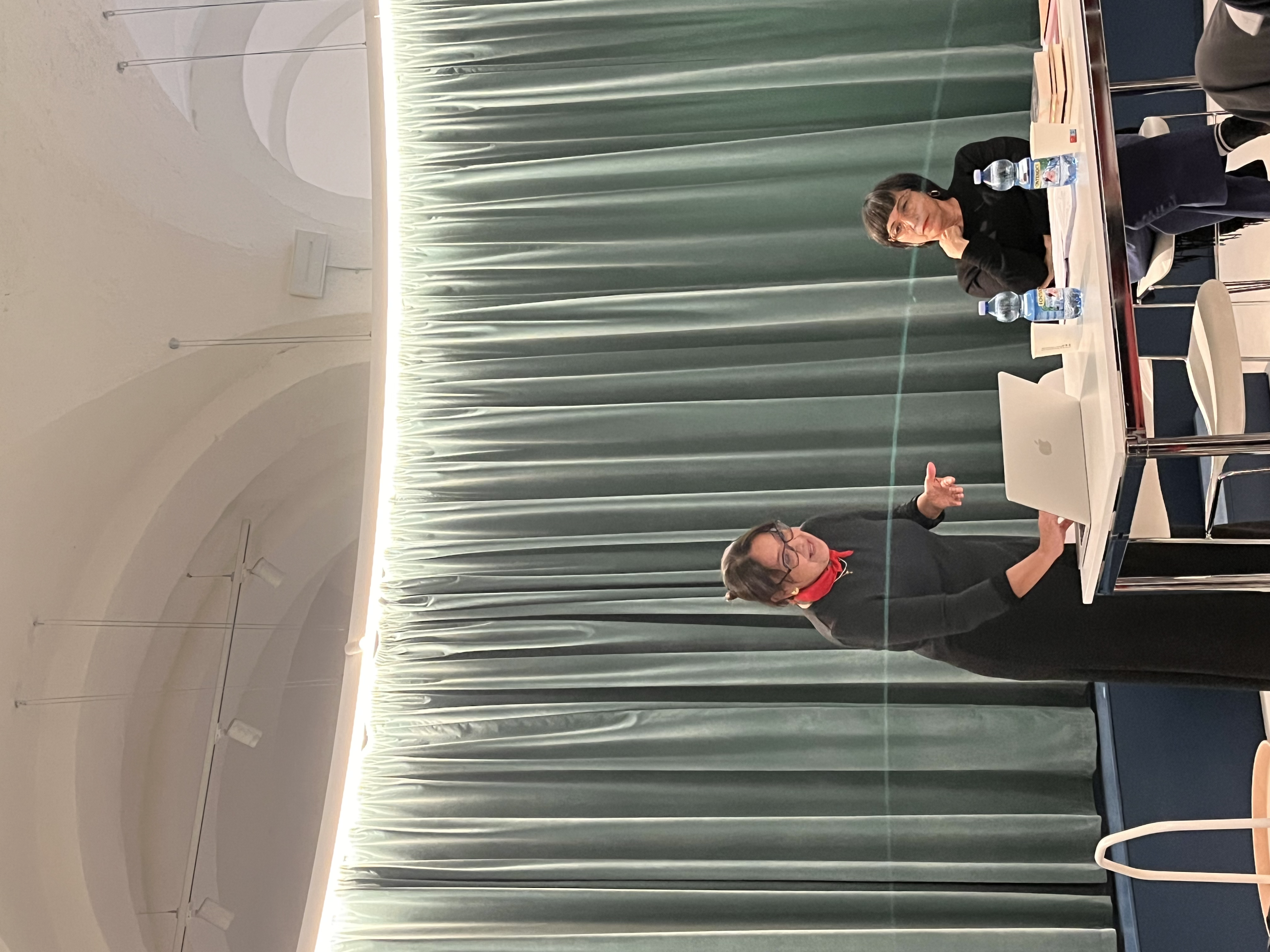
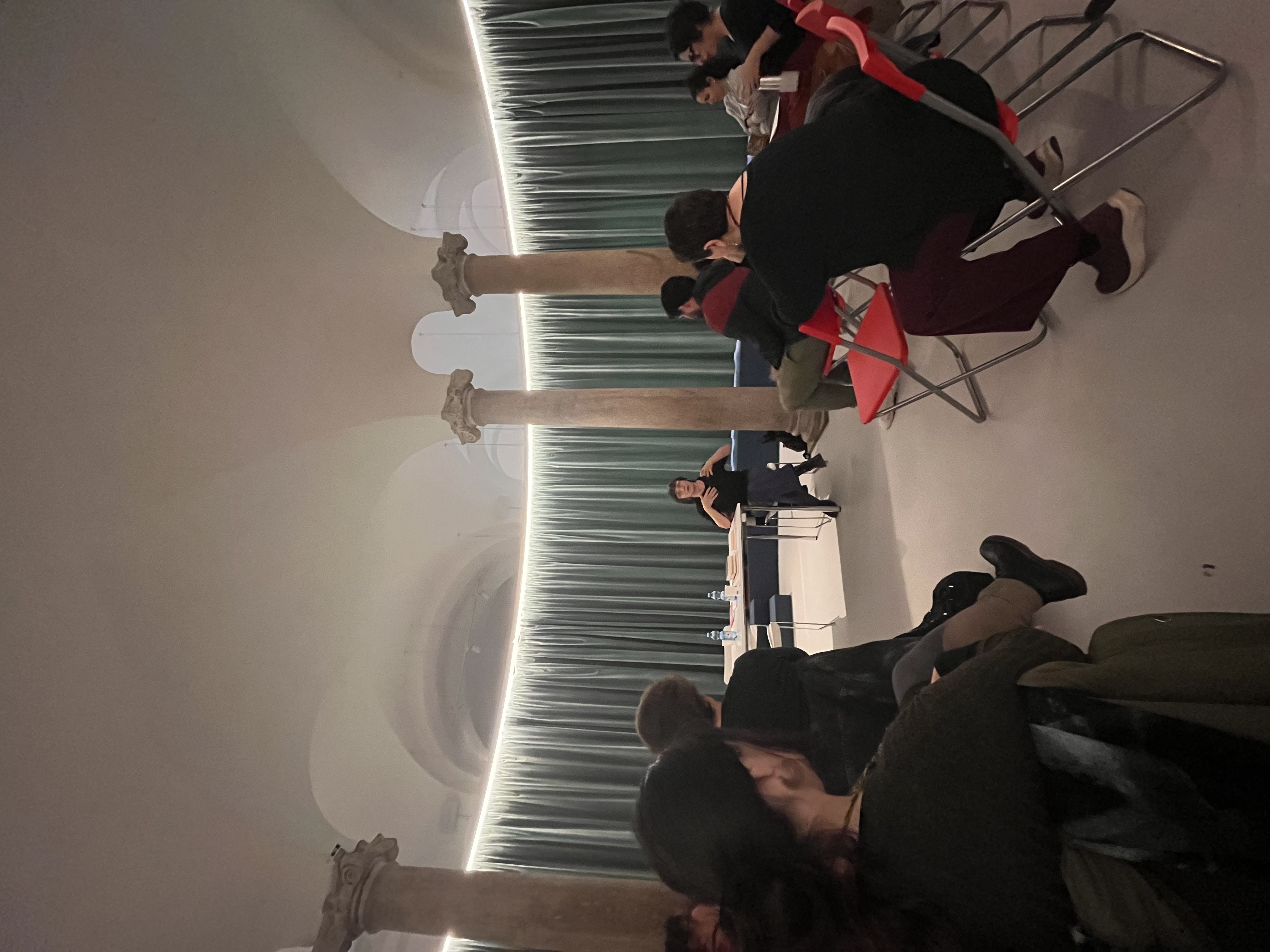
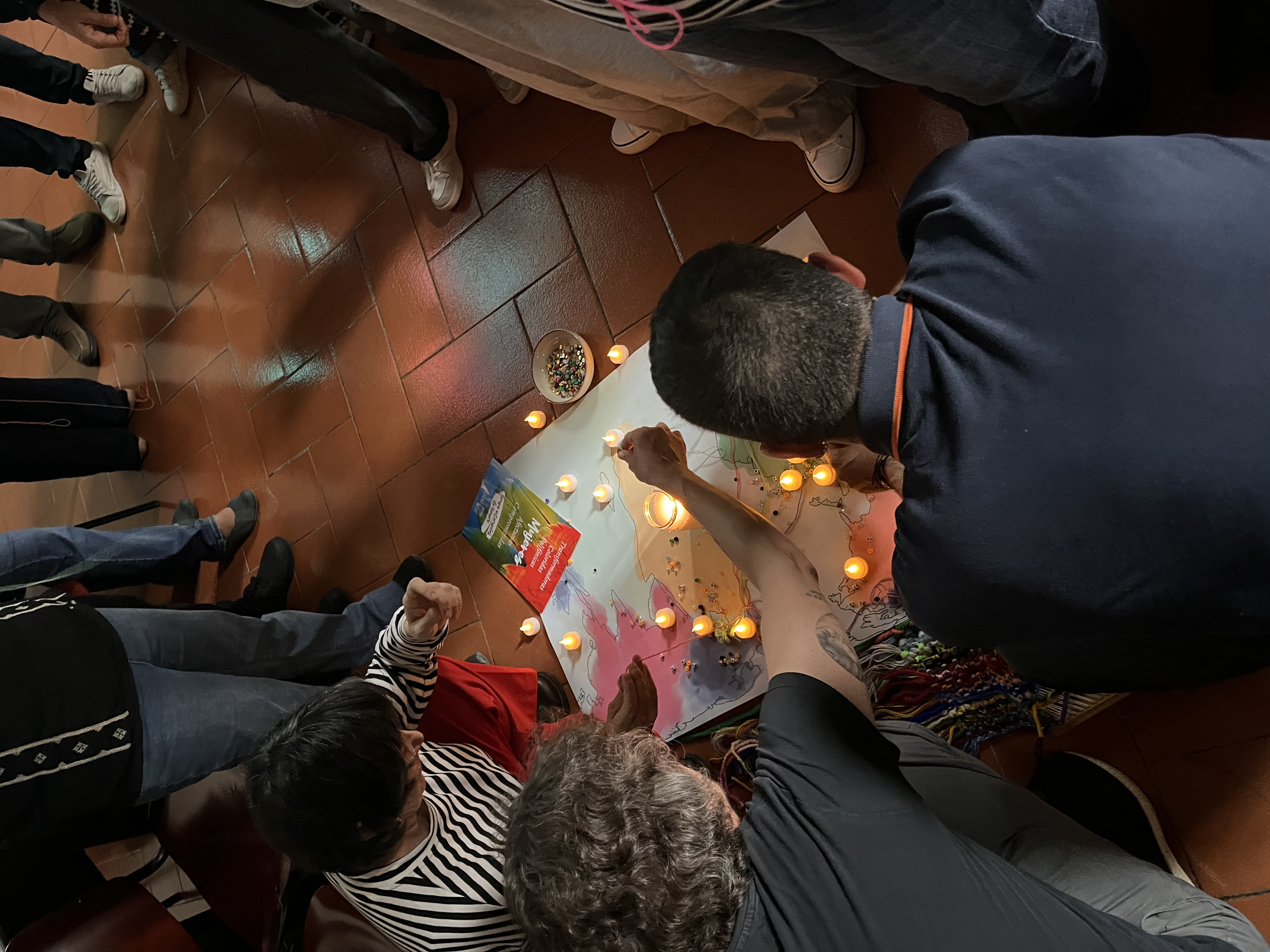
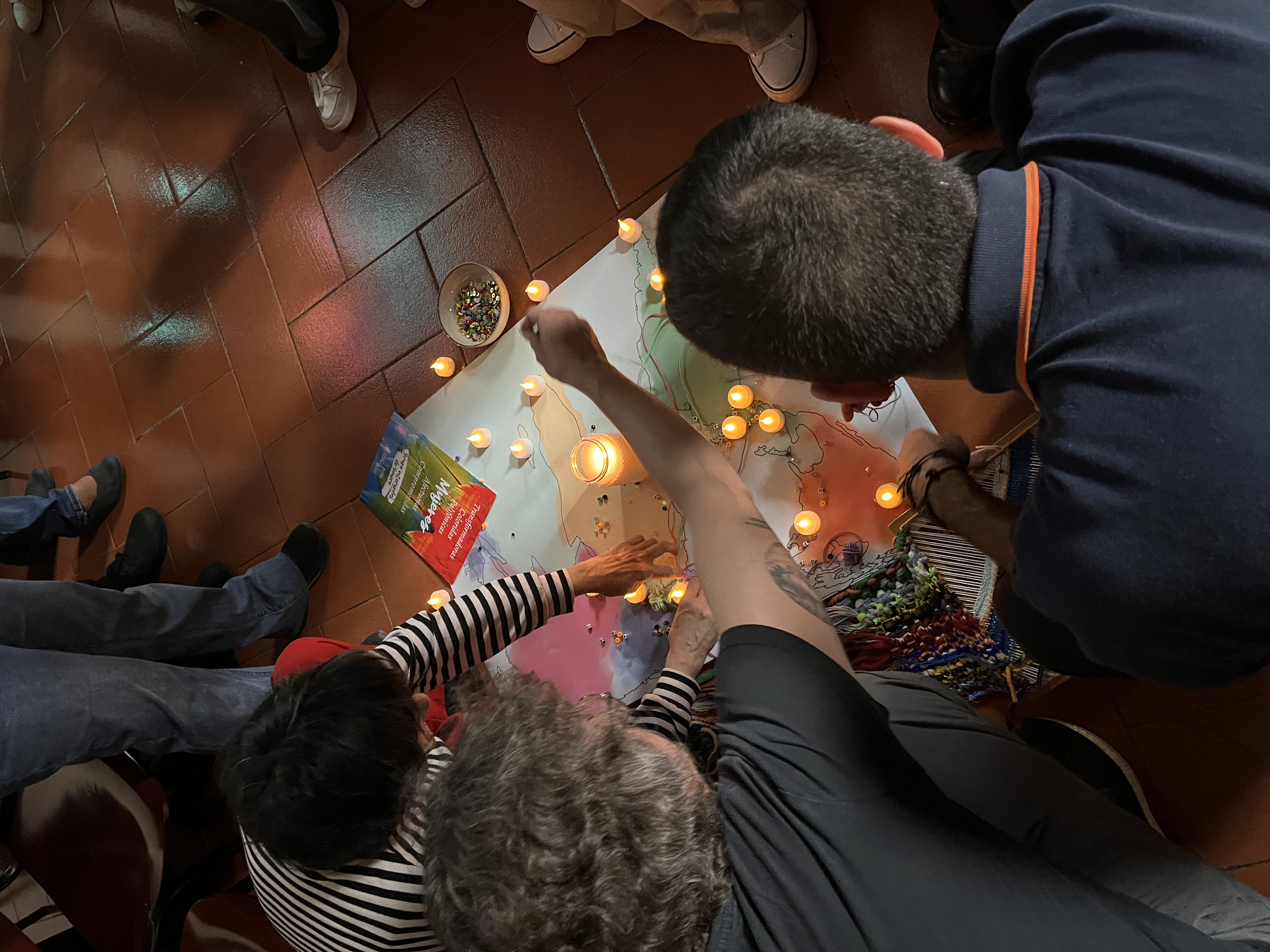
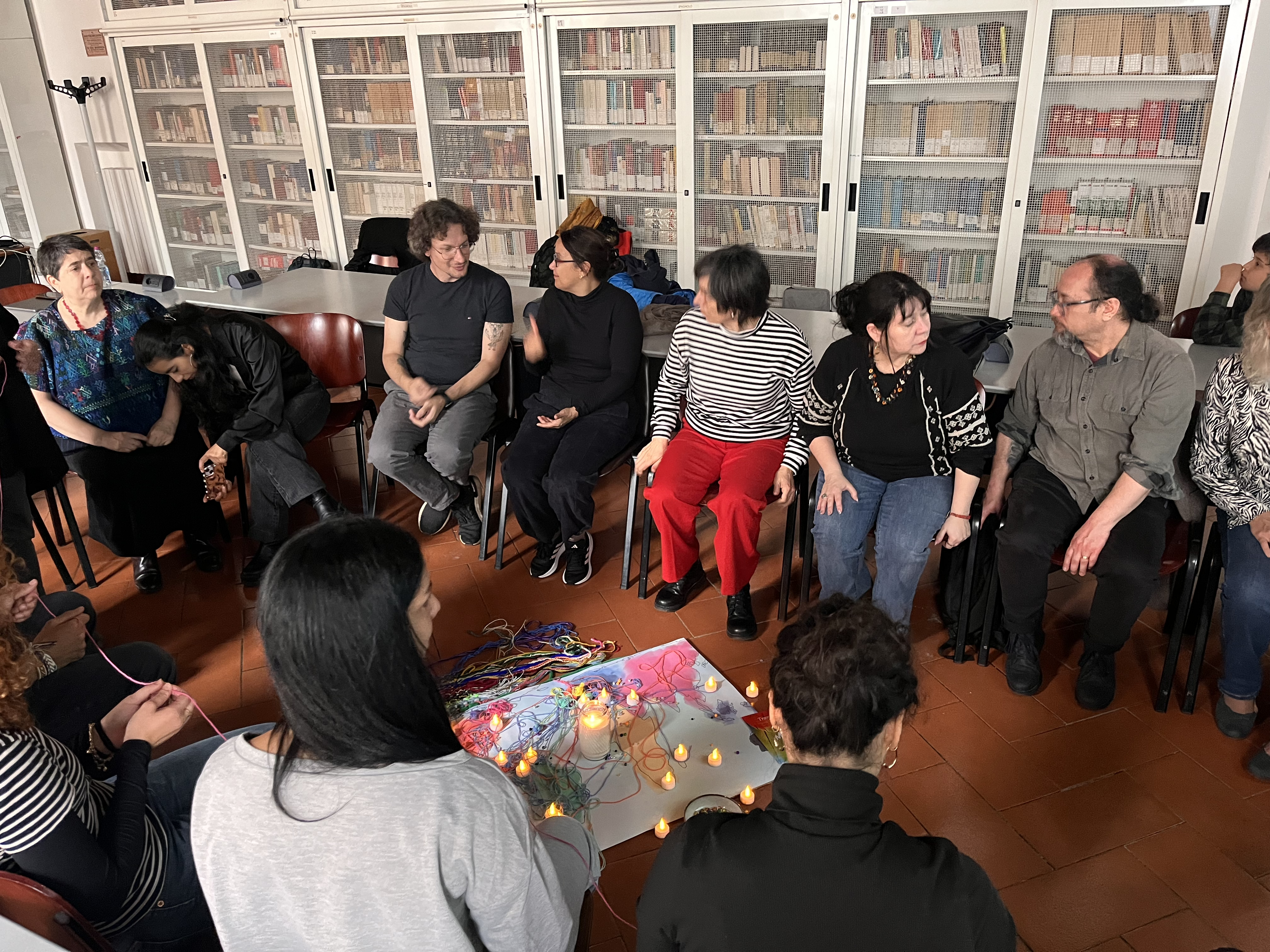
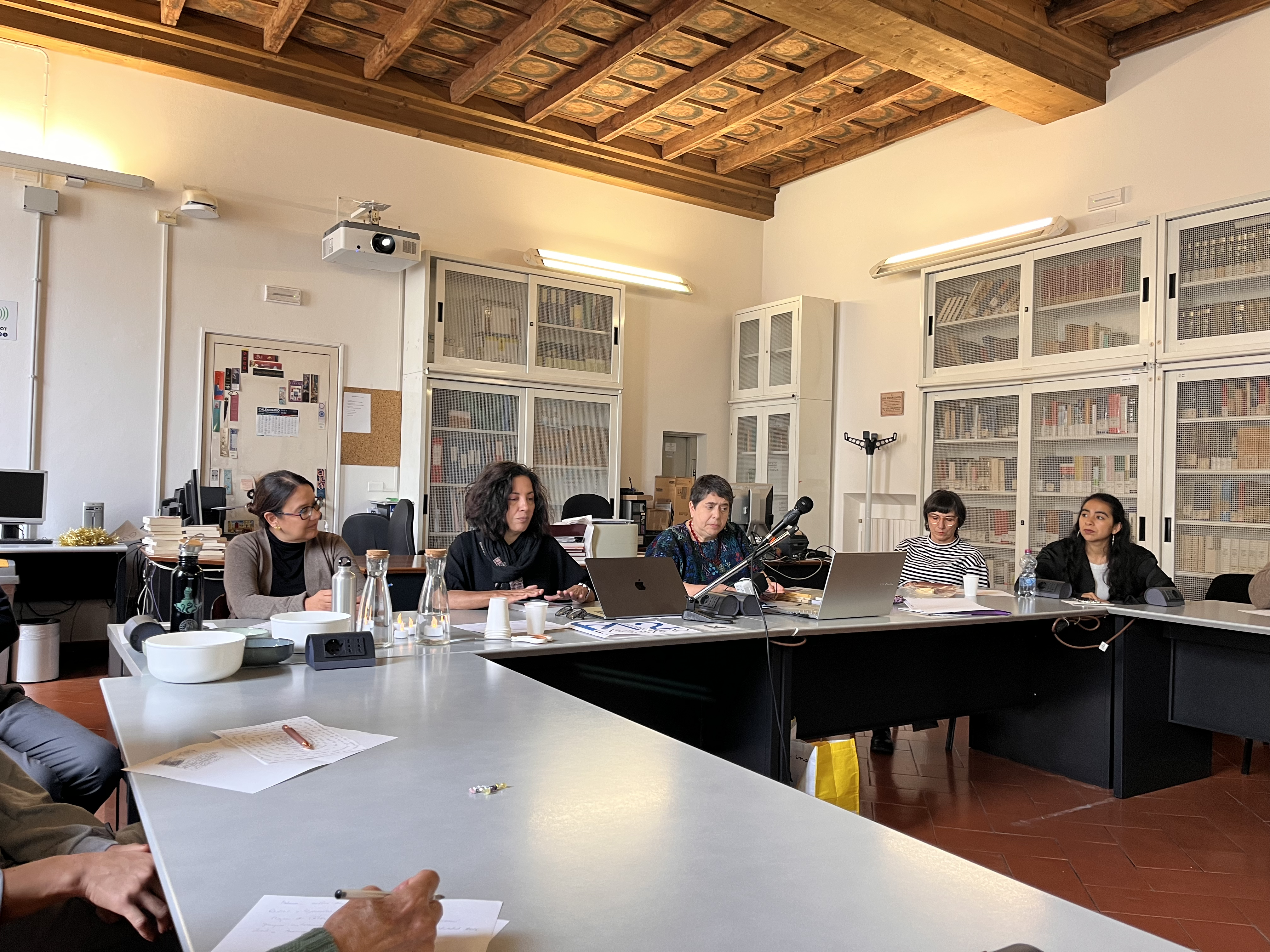
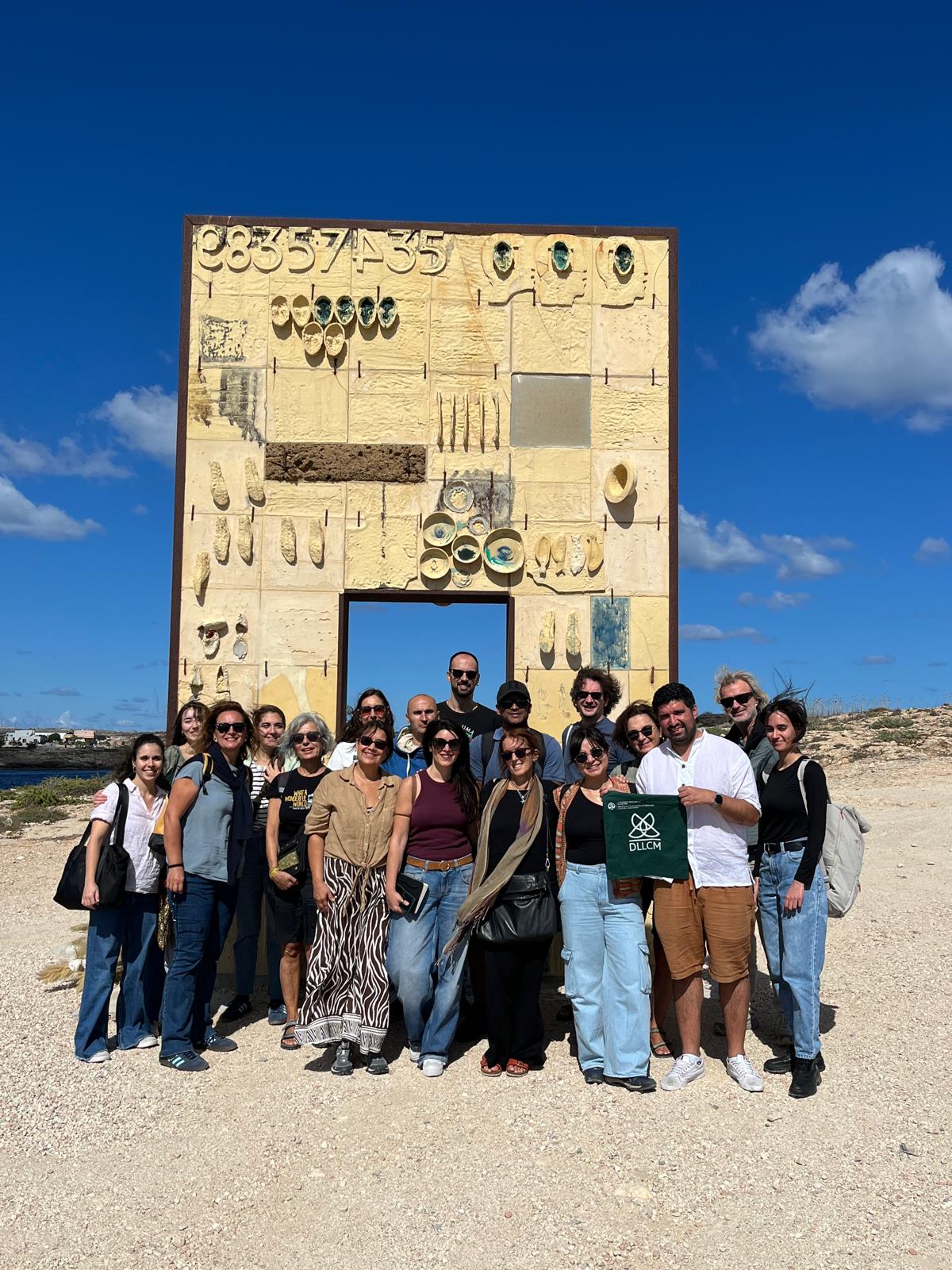
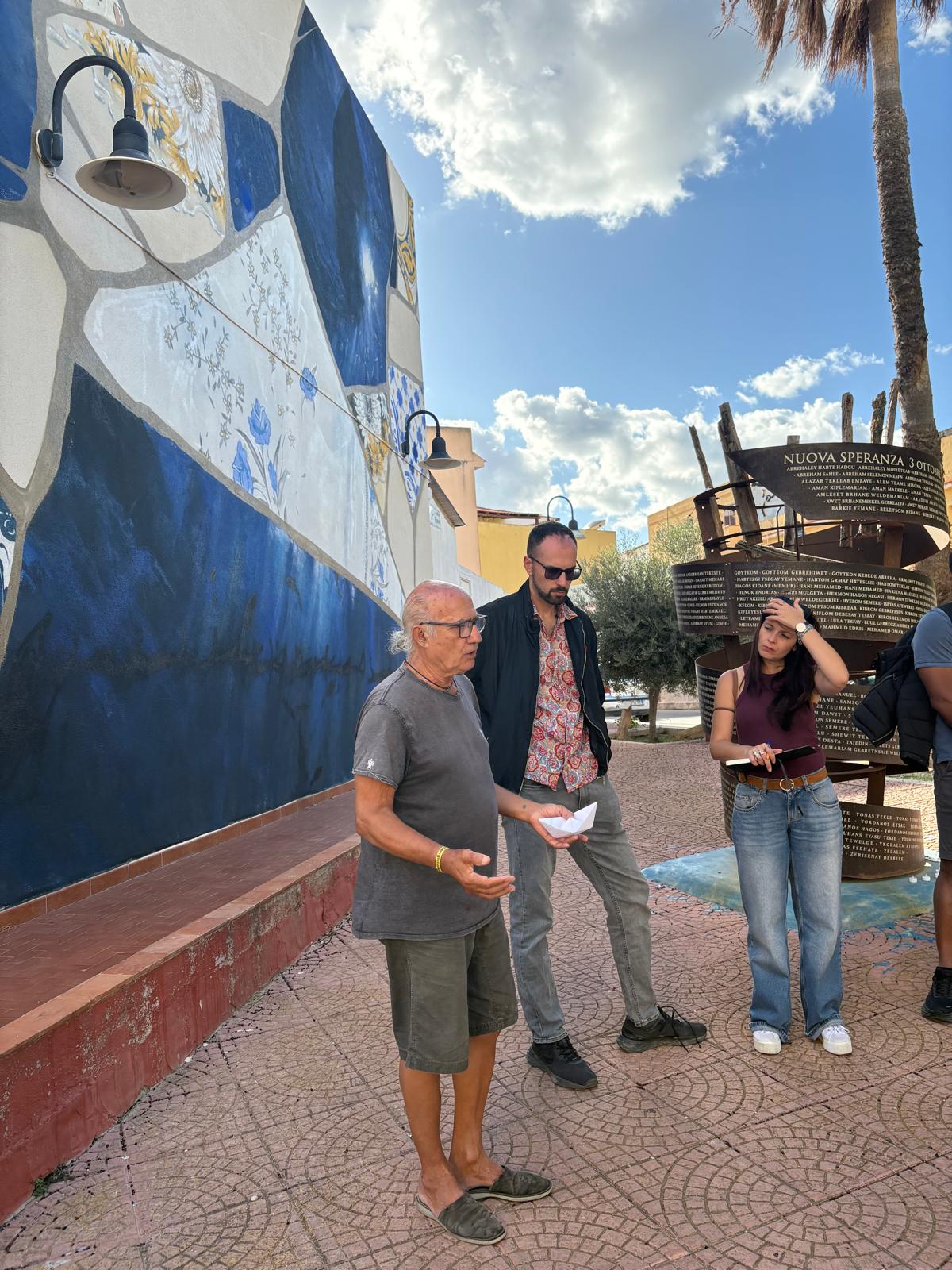
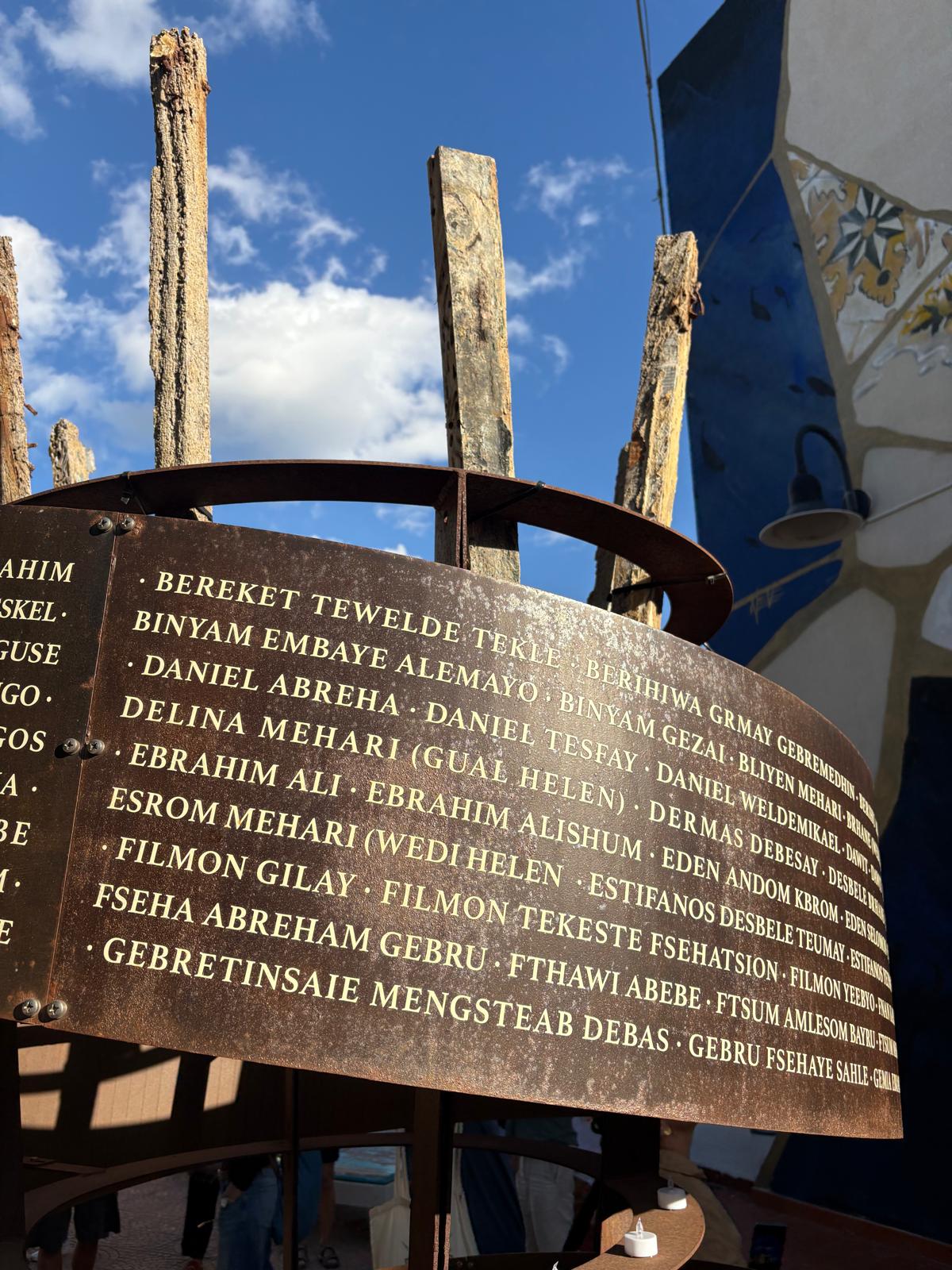


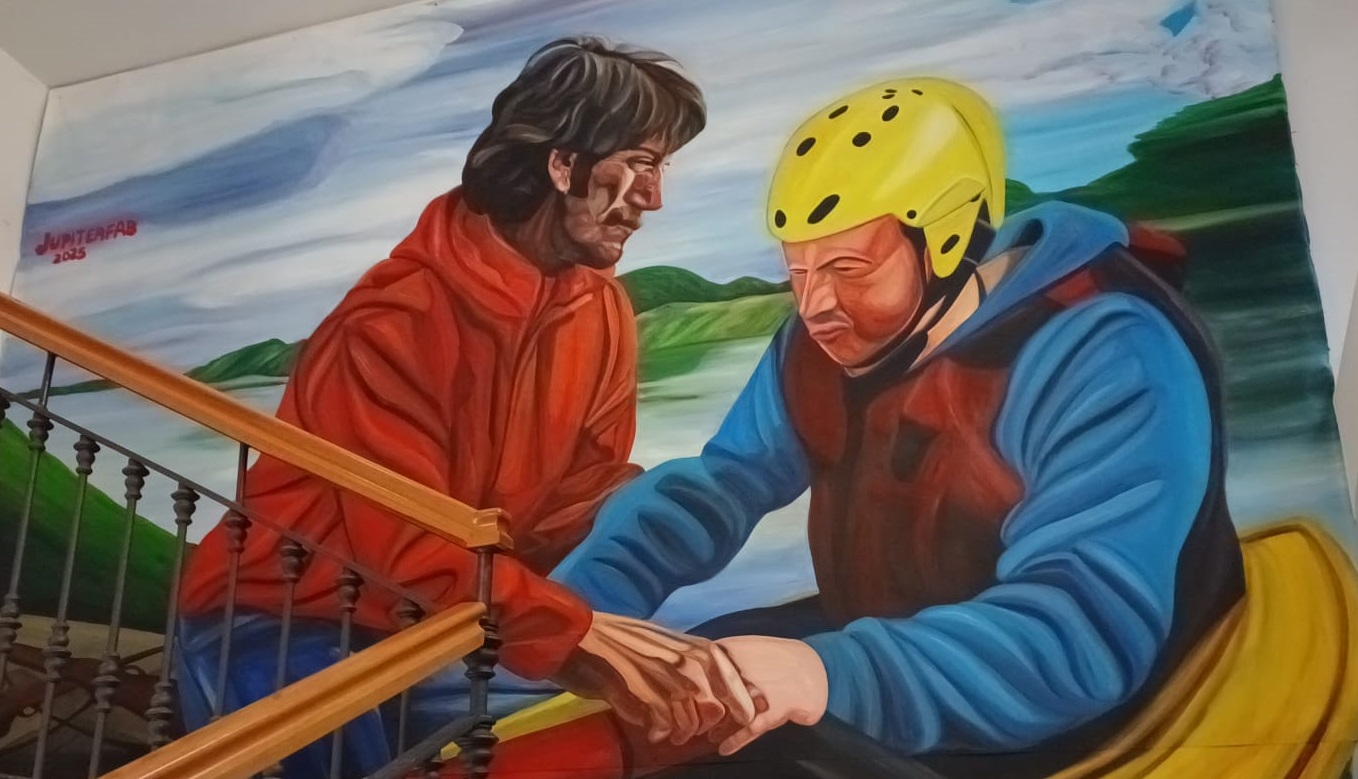
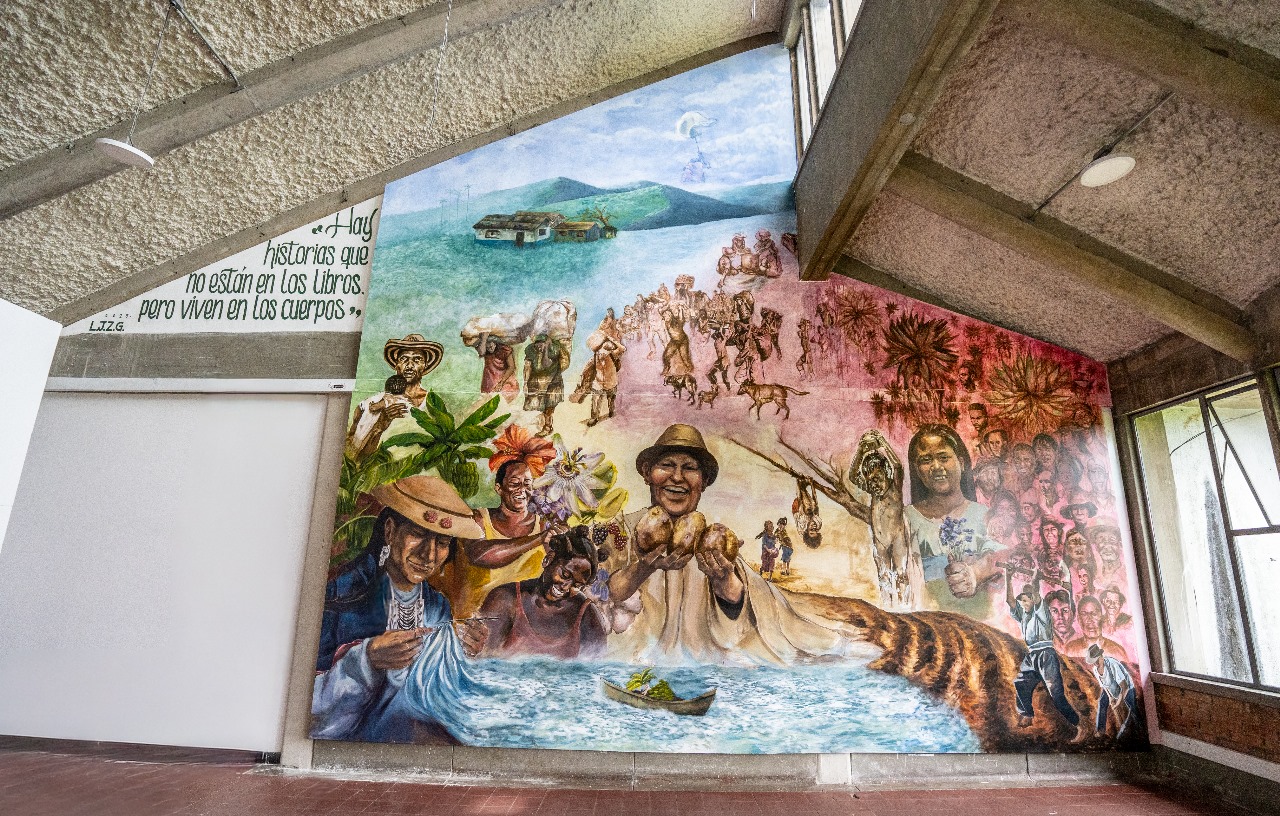
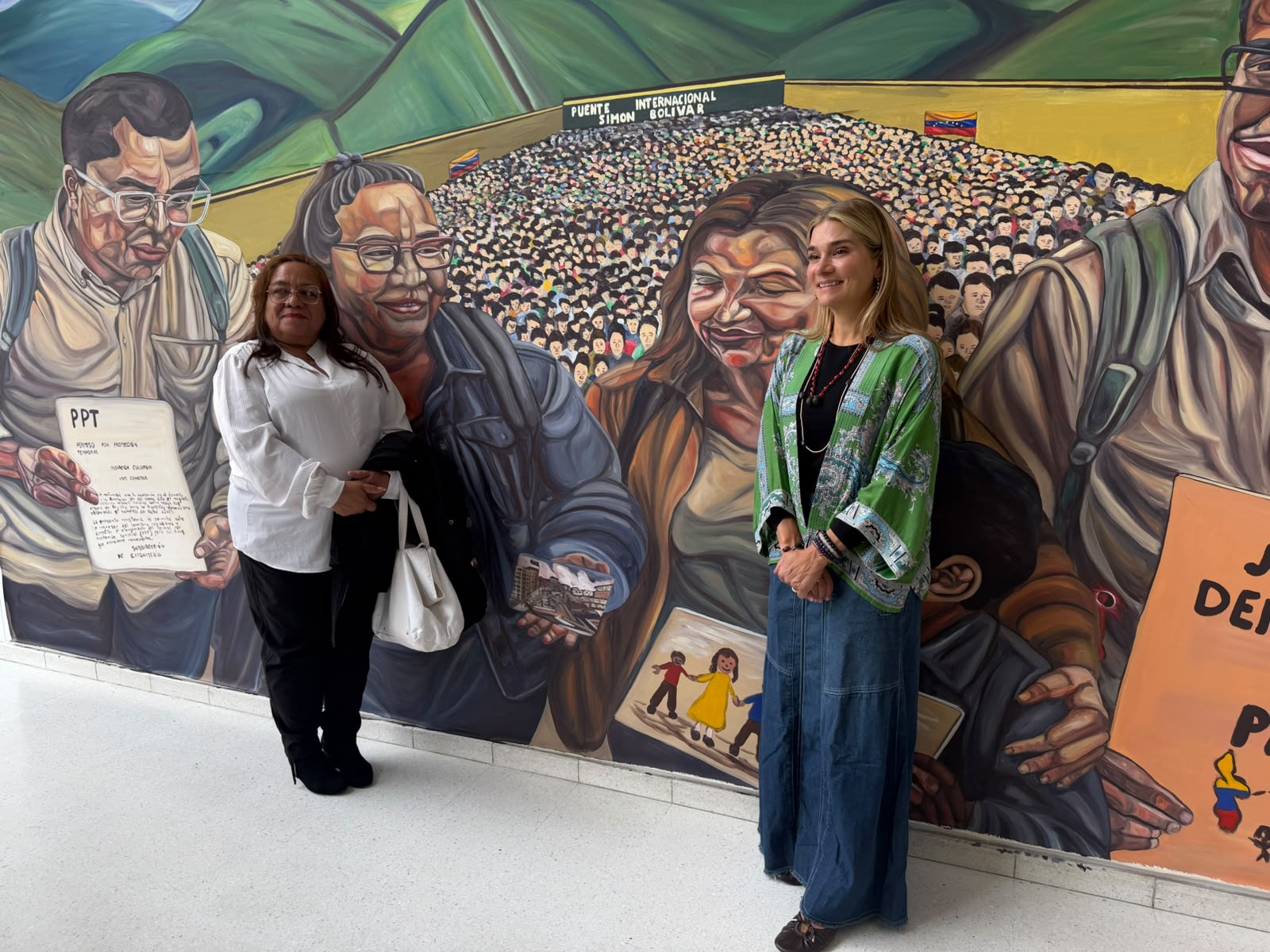
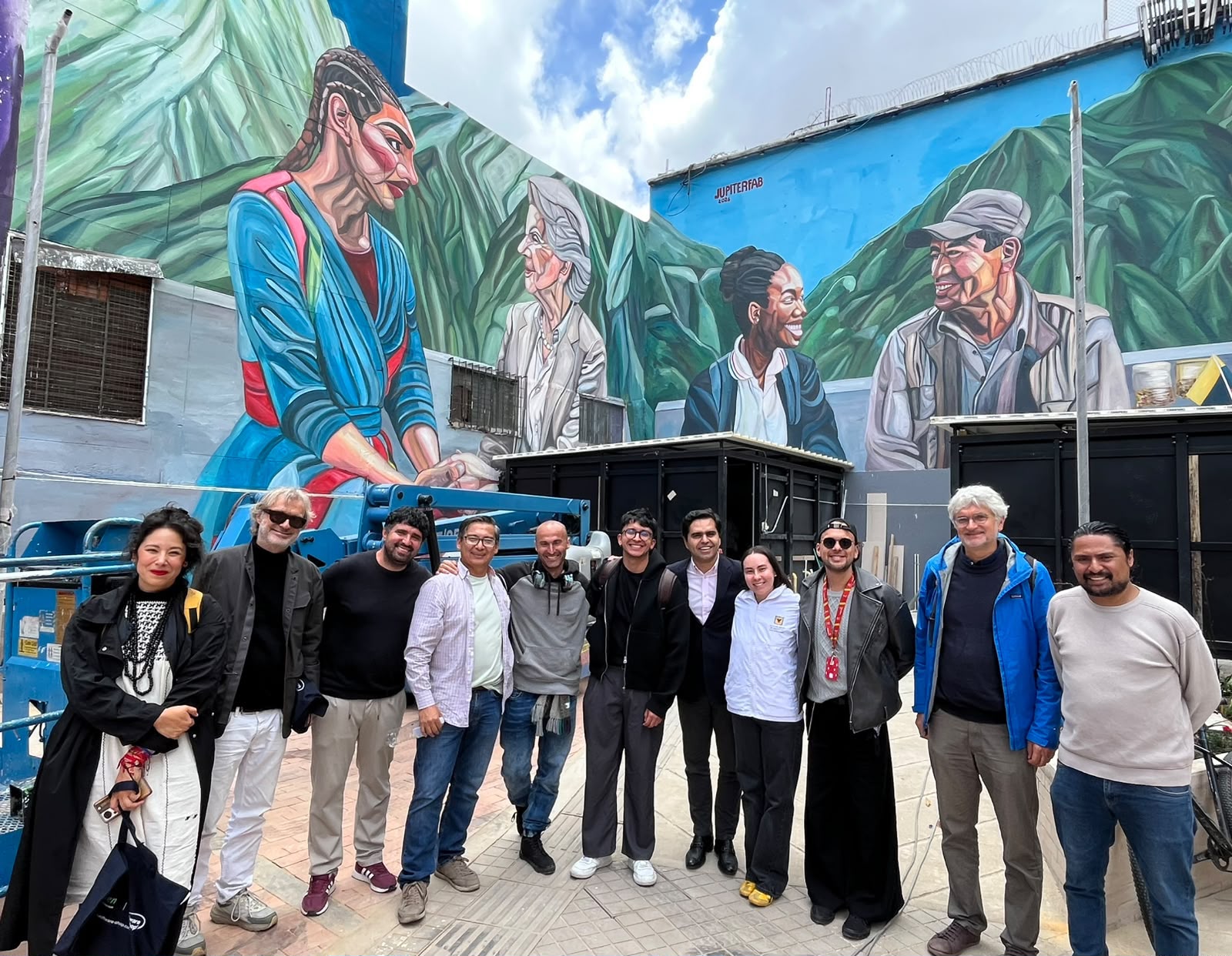
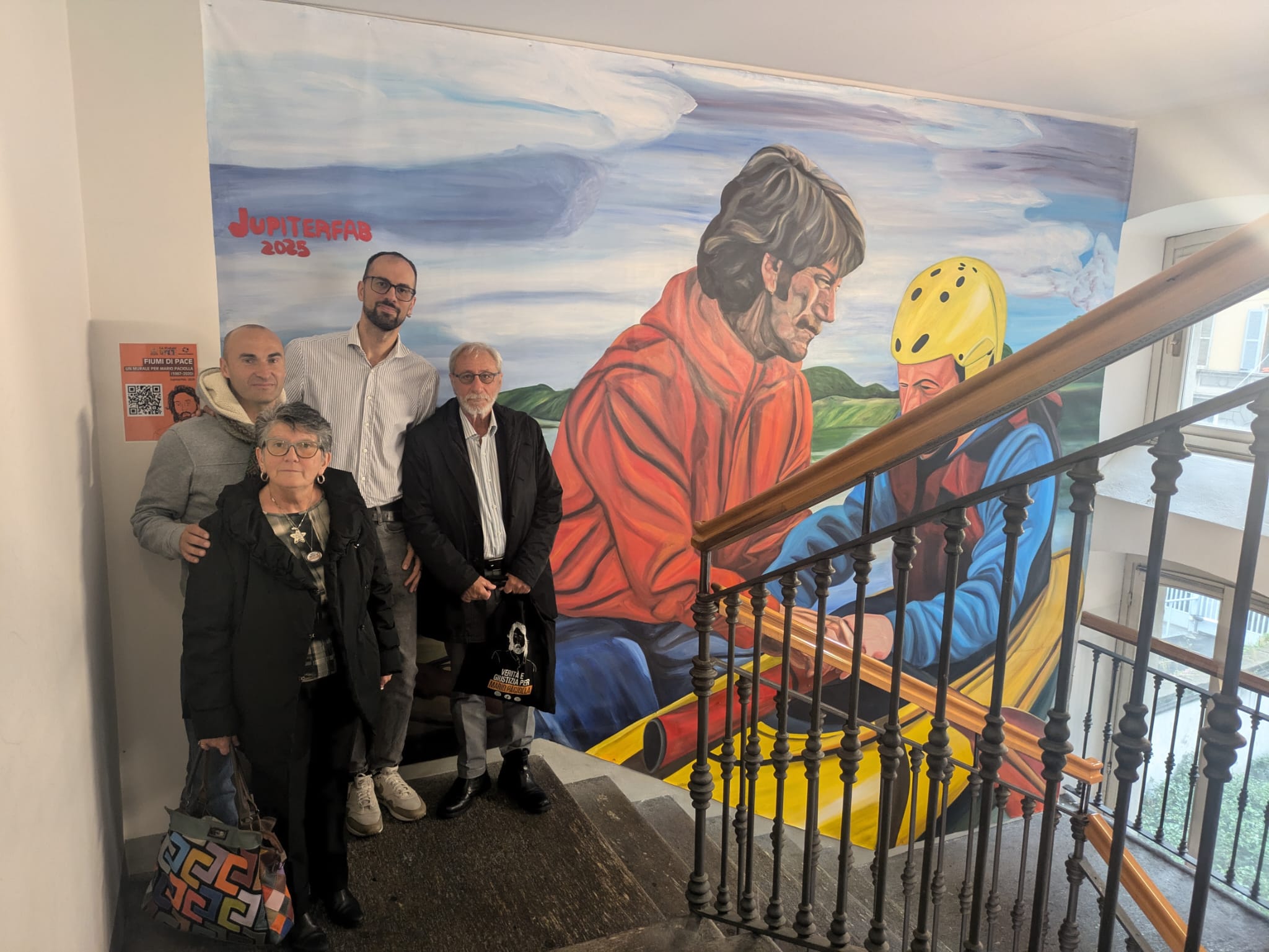
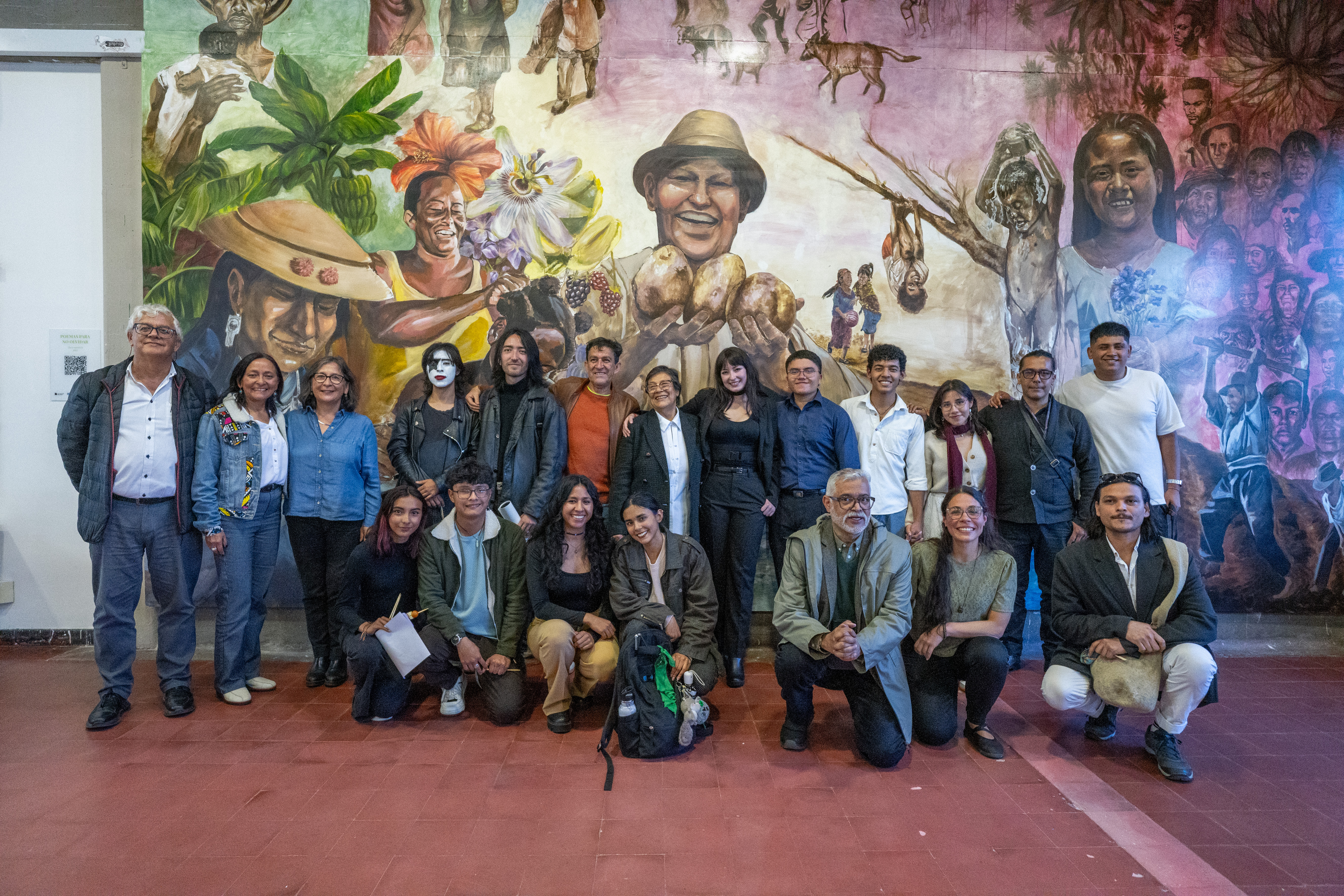
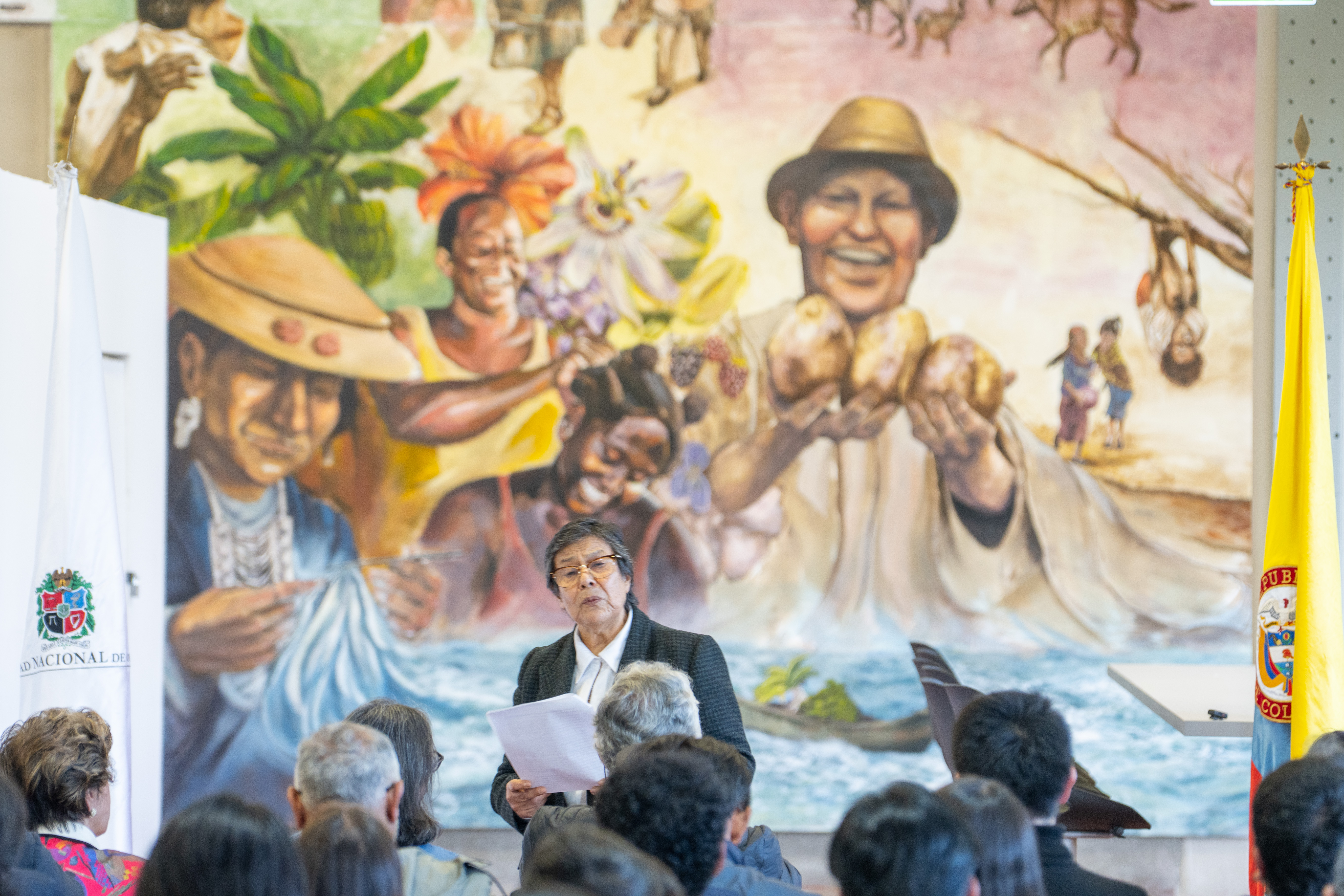
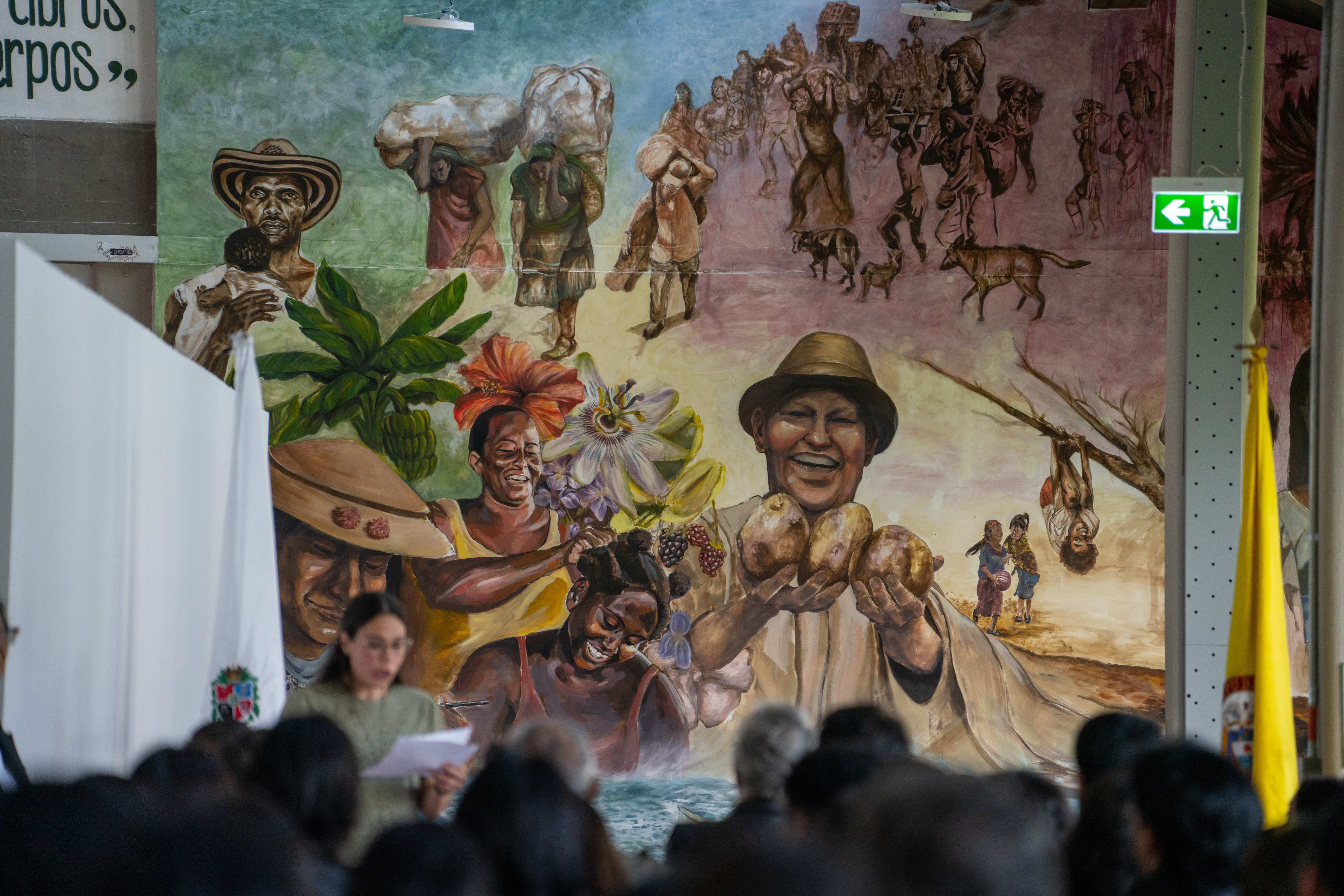
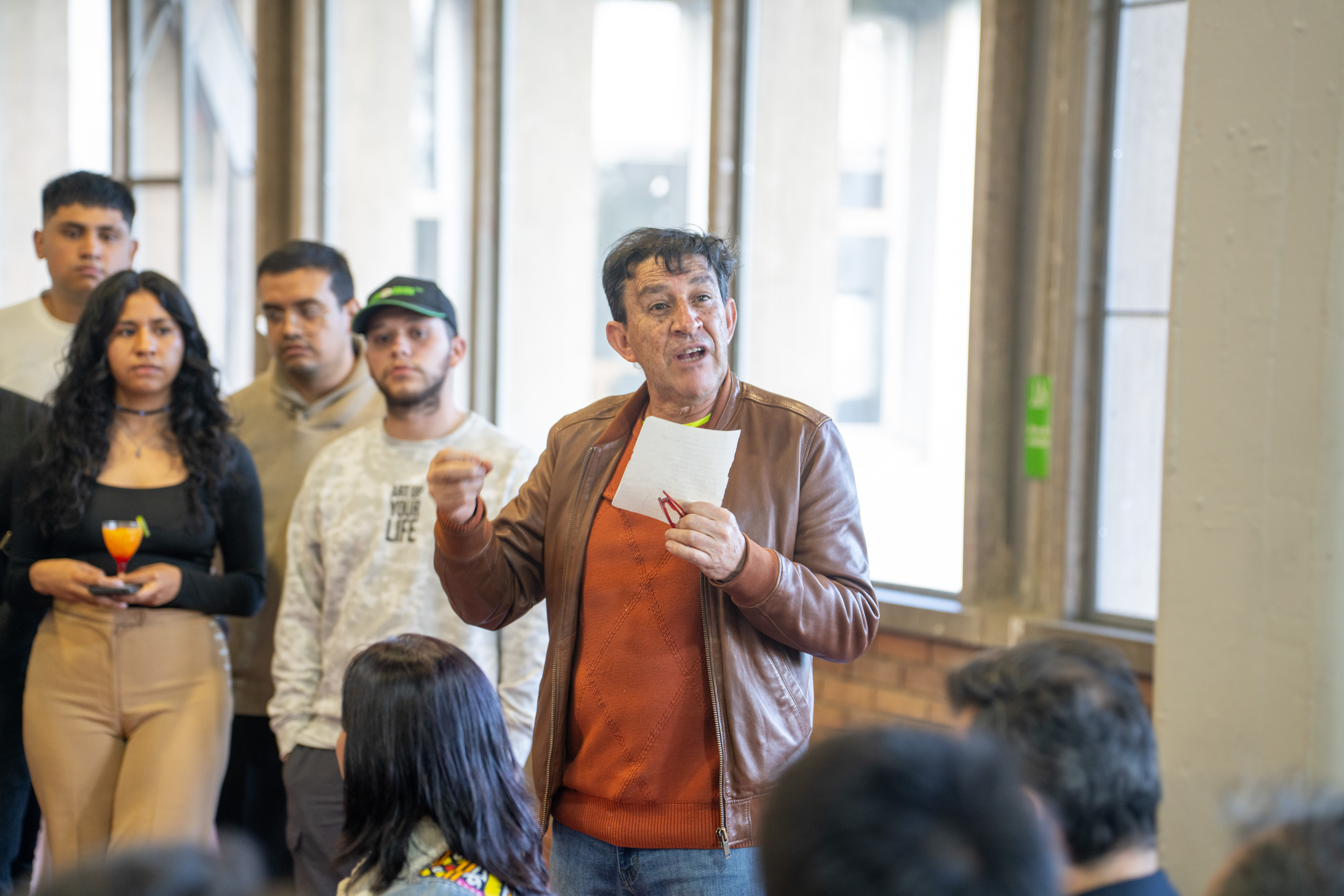
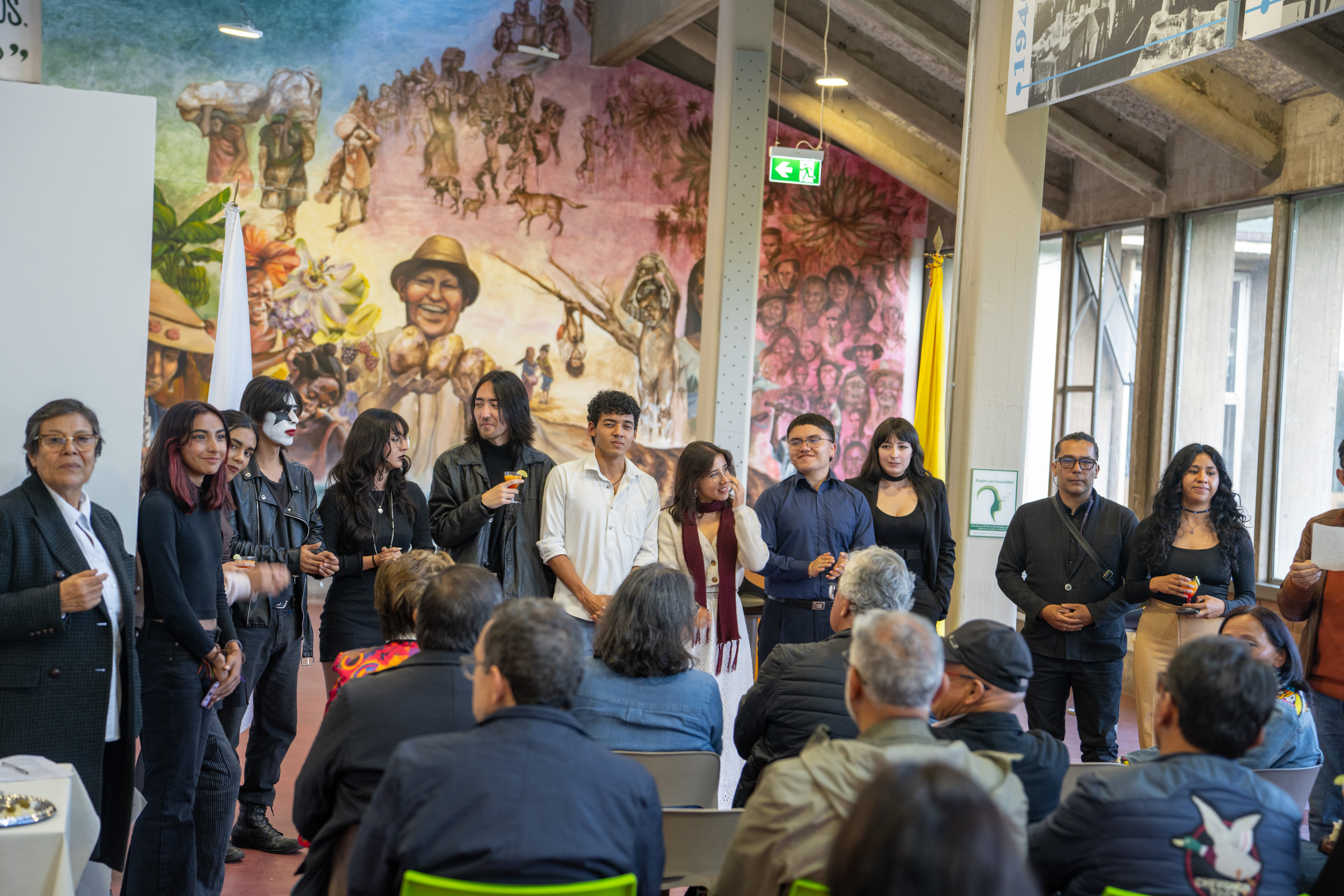
Publications
Publications
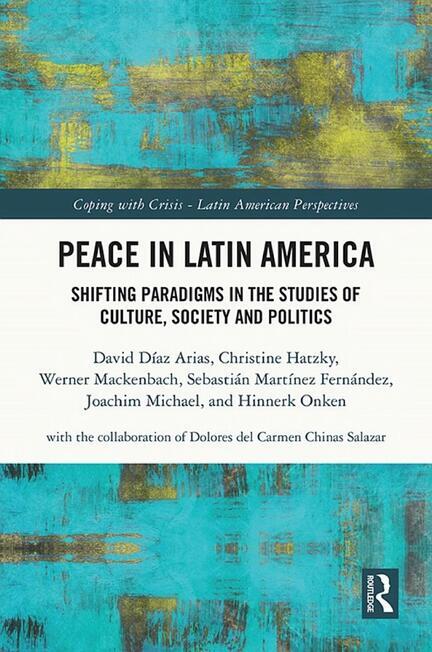 Peace in Latin America: Shifting Paradigms in the Studies of Culture, Society and Politics
 Report of our conference "Pragmatics of Peace on the Move" by Frank Möller
 Narrar la guerra pensar la paz: Relatos, retratos y redes culturales entre Colombia e Italia
 Autocratic Policy Tools and Permissive Outcomes: Governing Venezuelan Displacement in Colombia
The consortium
Partners

Bielefeld University

Comillas University

Guadalajara University

H401

Milan University

National University of Colombia

Autonoma University of Chile
